When it comes to choosing the right roofing material for your home, the cost of asphalt shingles installation is a critical factor that can significantly impact your overall budget. With their popularity soaring among homeowners due to their affordability, durability, and aesthetic appeal, understanding the financial aspects of this roofing solution is essential. Asphalt shingles not only offer an attractive finish but also provide excellent protection against the elements. However, the installation costs can vary widely based on several factors, including the quality of materials, labor rates, and the complexity of the roof design. In this article, we will explore the various components that contribute to the overall cost of asphalt shingle installation, helping you make an informed decision for your roofing project. From identifying the different types of asphalt shingles available to understanding labor costs and potential additional expenses, we aim to give you a comprehensive overview that will guide you through this important investment in your home.
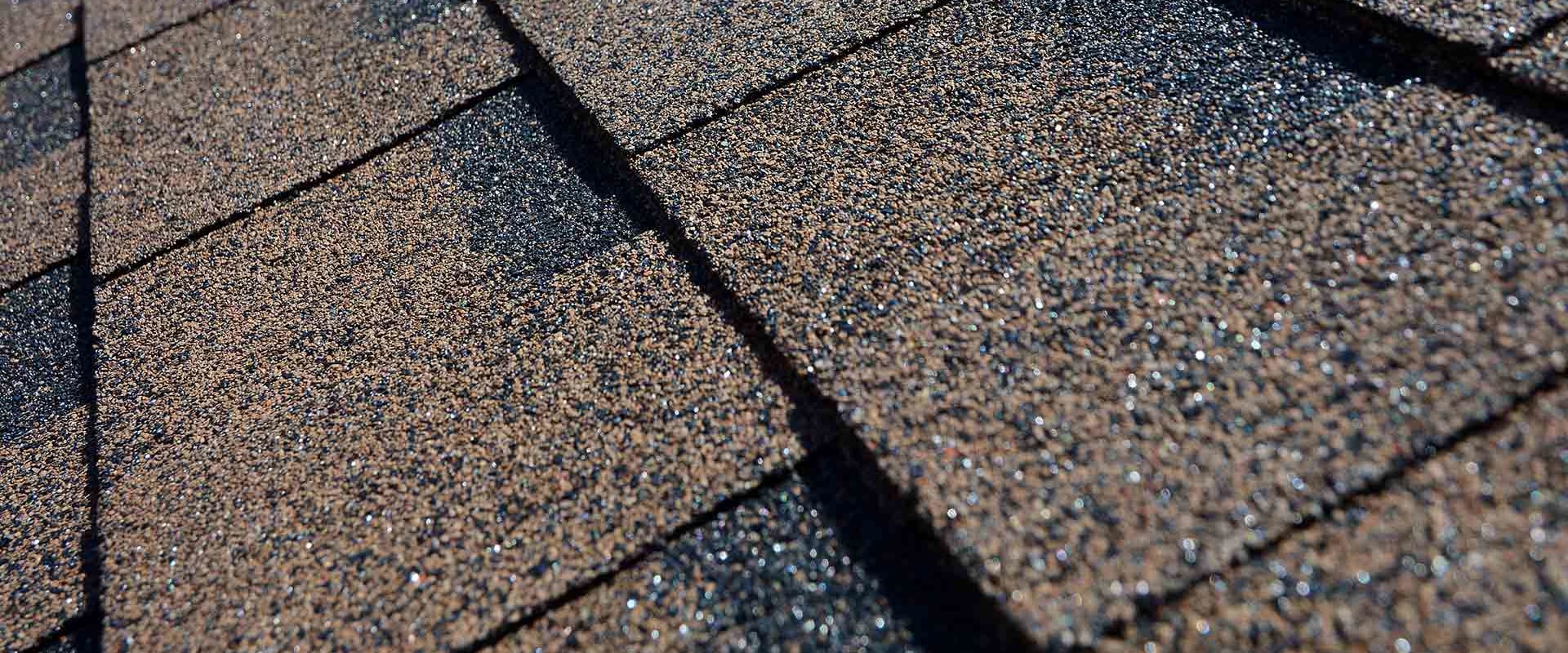
Whether you are a seasoned homeowner or embarking on your first roofing project, knowing what to expect can save you time and money in the long run. Asphalt shingles are one of the most popular roofing materials in North America, largely due to their affordability and ease of installation. However, understanding the cost of asphalt shingles installation is crucial for homeowners looking to make informed decisions about their roofing projects. Several factors can significantly influence the overall cost of installing asphalt shingles, and being aware of these can help homeowners budget effectively. One of the primary factors affecting the cost of asphalt shingles installation is the type of shingles chosen. There are generally two main types: 3-tab shingles and architectural shingles.
3-tab shingles are typically less expensive, averaging around $90 to $100 per square (a square covers 100 square feet), whereas architectural shingles, which offer enhanced durability and aesthetic appeal, can cost between $100 to $120 per square or more. This difference in price can impact the total installation cost significantly, especially for larger roofs. The size and pitch of the roof also play a vital role in determining installation costs. A larger roof will naturally require more materials and labor, increasing overall expenses. Additionally, roofs with a steep pitch can complicate the installation process, often necessitating additional safety measures and specialized labor.
For instance, if a homeowner has a large, steeply pitched roof, they could see their costs rise by 20% to 30% compared to a standard flat roof due to the increased complexity and risk involved in the installation. Geographical location is another essential factor influencing the cost of asphalt shingles installation. Labor rates can vary widely depending on the region; areas with a higher cost of living may have higher labor rates. For example, a roofing contractor in a metropolitan area may charge $150 per hour for labor compared to $75 per hour in rural areas. This geographical disparity can lead to significant variations in total installation costs. On top of the material costs, it’s important to consider the breakdown of typical costs associated with both materials and installation.
Homeowners should expect to pay around $300 to $400 per square for both materials and installation combined, but this can fluctuate based on the aforementioned factors. Moreover, additional expenses such as underlayment, flashing, and ventilation should also be factored into the overall budget. Real-world examples illustrate how these factors can impact total costs. For instance, a homeowner in Texas with a standard-sized roof opting for 3-tab shingles might pay around $4,500 for installation. However, if they choose architectural shingles for added durability and aesthetics, this cost could rise to approximately $5,500 or more.
Conversely, a homeowner in California with a steep-pitched roof requiring specialized labor might find that their total costs climb even higher, potentially exceeding $7,000. Common questions often arise regarding the longevity and durability of asphalt shingles. Many homeowners mistakenly believe that all asphalt shingles have similar lifespans; however, architectural shingles typically last longer than 3-tab options—often around 25 to 30 years versus 15 to 20 years for 3-tab shingles. This discrepancy can influence long-term costs as well; investing in higher-quality architectural shingles may yield savings over time through reduced replacement frequency. Additionally, potential hidden costs may arise during the installation process. For instance, homeowners may face unexpected expenses if old roofing materials must be removed or if underlying structures require repairs before new shingles can be installed.
These hidden costs can add anywhere from $1,000 to $2,500 to the project’s total cost, depending on the condition of the existing roof. To minimize long-term costs and ensure optimal performance of asphalt shingles, regular maintenance is essential. Simple tasks such as cleaning gutters, removing debris from the roof surface, and inspecting for damaged shingles can prolong the lifespan of the roofing system. Homeowners should also consider having their roofs inspected every few years by professionals to catch any potential issues before they become costly repairs. In conclusion, understanding the cost of asphalt shingles installation involves evaluating multiple factors including shingle type, roof size and pitch, geographical location, labor costs, and potential hidden expenses. By carefully considering these elements and planning accordingly, homeowners can make informed decisions that align with their budgets and long-term roofing needs.
Maintenance and Longevity
Proper maintenance of asphalt shingles is crucial for maximizing their lifespan and ensuring their effectiveness as a roofing material.Regular inspections can help identify potential issues early, allowing homeowners to address them before they escalate into costly repairs. This proactive approach not only preserves the integrity of the roof but can also save homeowners significant amounts of money in the long run. One important aspect of maintenance is keeping the roof free from debris, such as leaves and branches, which can trap moisture and lead to mold growth or shingle deterioration. Ensuring that gutters are clean and functioning properly also helps prevent water damage that could compromise the roof's structure. Another key factor in extending the life of asphalt shingles is addressing any damage promptly. Whether it’s a few missing shingles or minor cracks, timely repairs can prevent further damage and prolong the roof's service life.
Additionally, applying a protective coating can enhance durability and resistance to UV rays, which can otherwise cause shingles to fade and weaken over time. In summary, by investing time and resources into proper maintenance, homeowners can not only extend the life of their asphalt shingles but also enhance the overall performance of their roofing system. Understanding these factors is vital for making informed decisions regarding installation costs and long-term upkeep.
Finding Reliable Contractors
When embarking on the journey of installing asphalt shingles, finding a reliable contractor is crucial to ensure a successful project. Here are some tips to help you identify trustworthy roofing contractors:First, start by seeking recommendations from friends, family, or neighbors who have recently had roofing work done. Personal referrals can often lead you to reputable contractors who have demonstrated quality workmanship. Next, consider checking online reviews and ratings on platforms like Yelp, Google, or Angie's List.Look for contractors with consistently positive feedback and a solid reputation in your area. It’s also important to verify the contractor's credentials. Ensure they are licensed and insured to protect yourself from potential liabilities. A good contractor should be willing to provide proof of insurance and licensing upon request. When you begin to gather estimates, make sure to get multiple quotes from different contractors. This not only gives you a range of prices but also helps you gauge what’s reasonable for your specific project.
Be cautious of estimates that seem unusually low, as they may indicate subpar materials or workmanship. Finally, ask detailed questions about the estimate itself. A reputable contractor will provide a comprehensive breakdown of costs, including materials, labor, and any additional fees. This transparency is key in helping you understand where your money will go and ensures there are no hidden surprises later on.
Factors Influencing Installation Costs
Understanding the cost of asphalt shingles installation requires an analysis of several key factors that significantly influence the overall expense. By considering these elements, homeowners can better anticipate their roofing budget and make informed decisions. One of the primary factors is the type of shingles.Asphalt shingles come in various styles, including three-tab, architectural, and premium shingles. Each type has a different price point, with architectural shingles typically being more expensive due to their enhanced durability and aesthetic appeal. The size of the roof also plays a crucial role in determining installation costs. Larger roofs require more materials and labor, leading to higher overall expenses. Homeowners should measure their roof accurately to obtain precise estimates from contractors. The pitch of the roof is another important consideration.
Roofs with a steeper pitch are more challenging to work on, which can increase labor costs. Contractors may need to take additional safety measures and use specialized equipment for steep roofs, impacting the final cost of installation. Lastly, the location of the home can affect installation costs as well. Areas with higher living costs typically have higher labor rates, which can significantly impact the overall cost of asphalt shingles installation. Additionally, local building codes and regulations may require specific materials or methods that could influence pricing. By understanding these factors, homeowners can better navigate the complexities of roofing projects and make decisions that align with their budget and needs.
Cost Breakdown: Materials vs.
LaborWhen considering the cost of asphalt shingles installation, it is essential to understand the breakdown of expenses between materials and labor. Asphalt shingles are available in various types, each with its own price range. Typically, three main categories of asphalt shingles are used in residential roofing: 3-tab shingles, architectural shingles, and luxury shingles.
3-tab shingles
are the most economical option, usually costing between $90 to $100 per square (a square covers 100 square feet). These shingles are lightweight and relatively easy to install, contributing to their lower labor costs.On the other hand, architectural shingles offer better durability and aesthetics, with prices ranging from $100 to $120 per square. Their thicker design often requires more skill during installation, which can increase labor charges. Finally, luxury shingles, designed to mimic the appearance of more expensive materials like slate or wood, can cost between $120 to $200 per square or more. The installation of these high-end products typically demands experienced laborers, leading to higher labor costs as well. Labor charges for asphalt shingle installation generally range from $50 to $100 per hour, depending on the region and contractor expertise. The total labor cost will also be influenced by the complexity of the roof design and any necessary preparatory work such as old shingle removal or structural repairs.
Understanding these distinctions can empower homeowners to budget appropriately for their roofing projects.
Hidden Costs to Consider
When budgeting for the cost of asphalt shingles installation, it’s essential to look beyond the obvious expenses. While you might have a clear idea of the materials and labor costs, there are several hidden costs that can impact your overall budget. One significant factor to consider is roof removal. If your home has an existing roof that needs to be torn off before new shingles can be installed, this will incur additional labor costs. The removal process can be labor-intensive and may require specialized equipment, adding to your overall expenses. Another potential hidden cost is related to roof repairs.During the installation process, contractors may discover underlying issues such as water damage or structural problems that need to be addressed before new shingles can be laid. These unexpected repairs can significantly increase your budget, so it's wise to set aside a contingency fund for such occurrences. You should also factor in waste disposal fees. Most roofing projects generate a considerable amount of debris, and contractors often charge extra for the removal and disposal of old materials. Be sure to ask your contractor about these fees when obtaining quotes. Additionally, consider the cost of permits.
Depending on your local regulations, you may need to secure permits before installation begins, which can add to the overall expense. It's crucial to check with your local building department to understand what permits are required and their associated costs. Lastly, don’t forget about insurance and warranties. While these may not seem like immediate costs, investing in a good warranty for your new roof can save you money in the long run. Additionally, ensuring that your contractor has adequate insurance coverage is vital to protect yourself from potential liabilities during the installation process. By keeping these hidden costs in mind, homeowners can create a more accurate budget for their asphalt shingles installation, ensuring they are prepared for any unforeseen expenses that may arise. In conclusion, understanding the cost of asphalt shingles installation is crucial for homeowners looking to invest in a new roof.
We have explored the various factors influencing installation costs, providing a comprehensive breakdown of materials vs. labor, and highlighted potential hidden costs that can arise during the installation process. It is equally important to consider the maintenance and longevity of your roofing choice, as these aspects can significantly impact your overall investment. By finding reliable contractors and budgeting not only for immediate costs but also for future upkeep, you can make informed decisions that align with your financial plans.
We encourage readers to conduct thorough research and gather multiple quotes before committing to any roofing project.