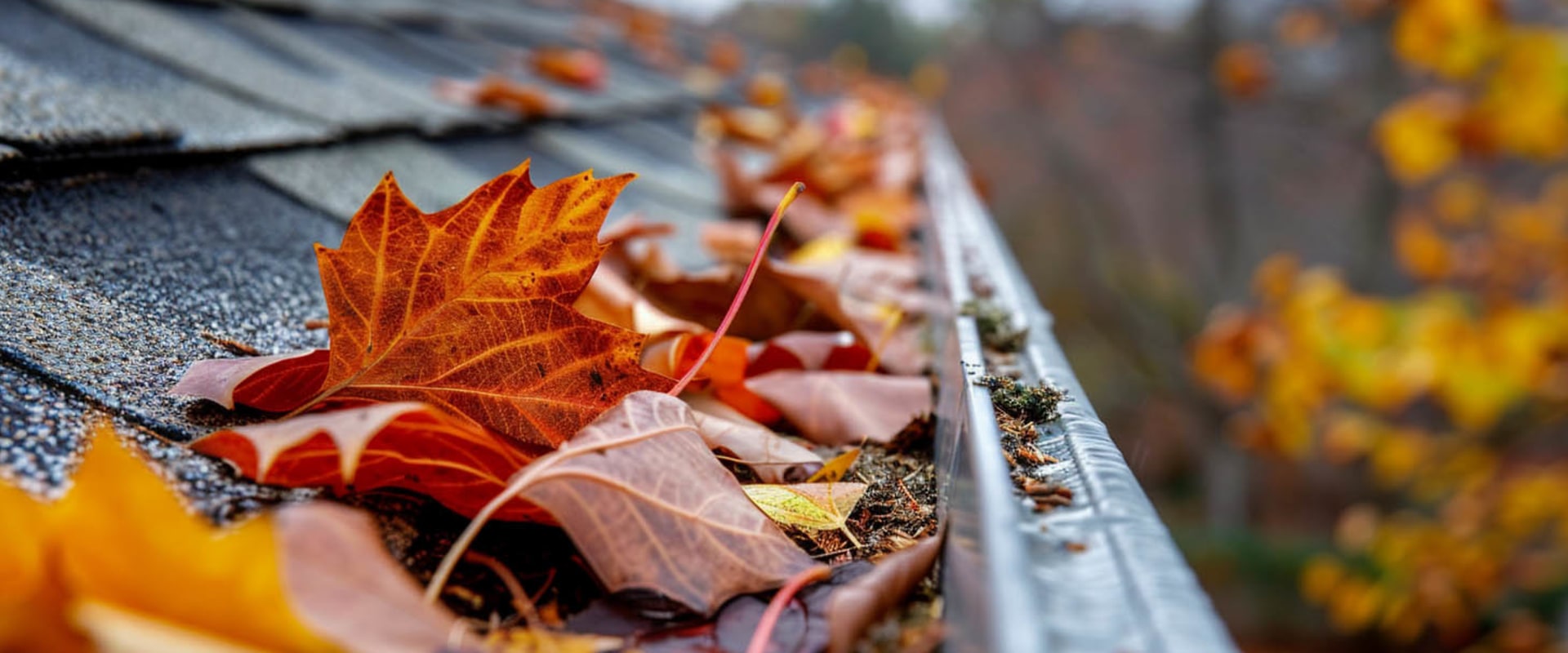
As the vibrant hues of fall set in, homeowners find themselves surrounded by a stunning display of colors. However, while the beauty of autumn leaves can be captivating, they also bring with them a crucial responsibility: leaf removal. Neglecting this task can lead to significant issues, particularly when it comes to maintaining your roof. Leaves that accumulate on rooftops can trap moisture, promote mold growth, and even damage roofing materials over time.
This is why understanding the best practices for fall leaf removal is essential for protecting your home’s integrity as the seasons change. In this article, we will explore effective strategies to ensure your roof remains in top condition, preventing costly repairs and enhancing its longevity. Read on to discover how proper leaf management not only preserves your roof but also contributes to the overall health of your home. As the vibrant hues of autumn paint the landscape, fall leaf removal best practices become essential for maintaining not just the beauty of your yard but also the integrity of your home. While many homeowners eagerly embrace the seasonal change, the task of managing fallen leaves can often feel overwhelming.
However, failing to address this simple chore can lead to significant issues down the line, especially when it comes to your roof. Leaves may appear harmless as they blanket your lawn and garden, but once they start piling up on your roof and gutters, they can cause a myriad of problems. Clogged gutters, trapped moisture, and even potential structural damage are just a few consequences that can arise from neglecting leaf removal. This article will guide you through the most effective fall leaf removal best practices specifically tailored for roof maintenance, ensuring that your home remains protected throughout the chilly months ahead. Whether you're a seasoned homeowner or new to property care, understanding these best practices can make all the difference. Not only will you learn how to effectively remove leaves from your roof, but you'll also discover techniques to prevent future buildup and maintain a safe living environment. specifically tailored for roof maintenance, ensuring that your home remains protected throughout the chilly months ahead. Whether you're a seasoned homeowner or new to property care, understanding these best practices can make all the difference. Not only will you learn how to effectively remove leaves from your roof, but you'll also discover techniques to prevent future buildup and maintain a safe living environment.
So grab your rake and ladder, and let’s dive into the essential steps for safeguarding your roof this fall!As the fall season approaches, it is essential to prioritize roof maintenance to ensure the longevity and health of your roof. One critical aspect of this maintenance is fall leaf removal. Accumulated leaves on your roof can lead to a range of serious issues, including water damage, mold growth, and even structural deterioration. Understanding the importance of this task will motivate homeowners to take the necessary steps to protect their roofs. The first best practice for fall leaf removal is to conduct regular inspections of your roof and gutters.
These inspections should be performed at least once a month during the fall, especially after heavy winds or rainstorms. Regularly checking your roof allows you to identify any areas where leaves may have accumulated, as well as any potential damage that might have occurred. This proactive approach can prevent small problems from becoming costly repairs. When it comes to roof maintenance, safety should always be a top priority. If your roof is steep or high, using a ladder can pose significant risks.
It’s crucial to practice safe ladder use by ensuring that it is on stable ground and that you have someone holding it steady while you work. Always maintain three points of contact with the ladder, and never overreach while on it. If you feel uncomfortable working on your roof, consider hiring a professional who has the experience and equipment necessary to perform the task safely. One of the most important aspects of leaf removal is doing it promptly. Leaves left on the roof can trap moisture, leading to clogged gutters and subsequent issues like ice dams in colder months.
Ice dams occur when melting snow refreezes at the edge of the roof, creating barriers that prevent proper drainage. This can lead to water pooling on your roof, increasing the risk of leaks and mold growth inside your home. To effectively remove leaves from your roof, having the right tools is essential. A sturdy rake designed for roofs can help you gently dislodge leaves without damaging shingles. Additionally, a leaf blower can make the task much quicker and easier by allowing you to blow leaves off without physically climbing onto the roof.
Remember to wear gloves and eye protection when using these tools to ensure your safety. Timing is also crucial for fall leaf removal. The best time to perform this task is after most of the leaves have fallen but before heavy rains or snowstorms set in. This way, you can prevent excess debris from accumulating and mitigate potential damage caused by water retention. Despite understanding the importance of leaf removal, some homeowners may have concerns about time constraints or safety issues associated with climbing on their roofs. In such cases, hiring professionals might be a viable solution.
Landscaping companies or roofing contractors often offer seasonal maintenance services that include leaf removal as part of their package. Investing in professional help can save you time and ensure that the job is done safely and effectively. In conclusion, neglecting fall leaf removal can lead to significant issues that affect not only your roof's integrity but also your home's overall health. By implementing these best practices—conducting regular inspections, practicing safe ladder use, removing leaves promptly, and using the right tools—you can protect your roof from damage and extend its lifespan. If you're ever in doubt about handling this task yourself, don't hesitate to reach out to professionals who can assist you in maintaining your roof's condition throughout the fall season. As the vibrant colors of autumn foliage begin to blanket our landscapes, it’s essential to turn our attention to the roof over our heads.
The importance of roof maintenance during the fall cannot be overstated, particularly when it comes to fall leaf removal best practices. Accumulated leaves can lead to serious issues such as water damage and mold growth if not managed properly. With seasonal changes impacting roof health, understanding the necessity of effective leaf removal should be a priority for homeowners. To ensure your roof remains in optimal condition through the fall months, start by conducting regular inspections. Examine your roof for any signs of wear or damage that may have occurred over the summer.
Check for loose shingles, cracks, or other vulnerabilities that could be exacerbated by the weight of fallen leaves and moisture. Being proactive in identifying these issues early can prevent more costly repairs down the line. When leaf removal begins, safety should be your top priority. Using a sturdy ladder is crucial for accessing hard-to-reach areas of your roof and gutters. Always ensure that your ladder is on stable ground and never exceed the weight limit specified by the manufacturer.
If you feel uncomfortable climbing ladders or working at heights, consider hiring professionals who specialize in roof maintenance.The prompt removal of leaves is vital in preventing clogged gutters, which can lead to water pooling on your roof and eventually causing leaks. When leaves accumulate in gutters, they can trap moisture and create an environment conducive to mold growth. Ice dams can also form when melting snow refreezes at the edge of your roof, causing further damage. Removing leaves promptly reduces these risks significantly. To effectively manage leaf removal, several tools are indispensable.
A good rake is essential for gathering leaves from both your yard and the roof itself. A leaf blower can expedite this process, allowing you to quickly clear large areas without manually raking. Additionally, a gutter scoop can help you remove debris from your gutters with ease. Make sure to wear gloves and protective eyewear when using these tools to guard against injuries. Timing is also crucial for effective leaf removal.
Aim to clear leaves after significant fall storms or windy days when trees shed their leaves most rapidly. By staying ahead of the accumulation, you can maintain better control over your roof's health and reduce the risk of potential issues caused by neglect. While some homeowners may express concerns about the time commitment involved in regular leaf removal, the long-term benefits far outweigh the temporary inconvenience. Consistent maintenance is critical for preserving your roof's longevity. For those with busy schedules or physical limitations, outsourcing this task to professionals can be a viable solution.
Hiring experts ensures that the job is done safely and efficiently, allowing you to focus on other priorities. In summary, adopting fall leaf removal best practices is essential for maintaining your roof’s integrity throughout autumn. From regular inspections and safe ladder use to promptly removing leaves and utilizing appropriate tools, each step contributes to preventing serious roofing issues. By prioritizing these practices, homeowners can protect their roofs from water damage and mold growth while enjoying the beauty of the fall season.
Understanding the Risks of Leaf Accumulation
As autumn approaches and leaves begin to fall, homeowners must pay close attention to their roofs.Accumulated leaves
can lead to a variety of serious issues that can compromise the integrity of your roofing system.One of the primary problems associated with leaf buildup is water pooling. When leaves collect on your roof, they can trap moisture, preventing water from draining properly. This trapped water can seep into roofing materials, leading to leaks and potential water damage within your home. In addition to water damage, the presence of leaves on your roof can create an ideal environment for mold growth. Mold thrives in damp, dark conditions, and a layer of wet leaves can provide the perfect breeding ground.
This not only poses a risk to your roof's structure but can also impact the air quality within your home. Moreover, accumulated leaves can attract pests such as rodents and insects. These creatures may find their way into your attic or other areas of your home, leading to infestations that are both difficult and costly to manage. By understanding these risks associated with leaf accumulation, homeowners can take proactive steps to ensure their roofs remain in good condition throughout the fall season.
Professional Help: When to Call in Experts
While fall leaf removal is a task many homeowners can handle themselves, there are times when it’s prudent to call in professionals. If your roof is particularly steep or high, the risk of accidents increases significantly.Professionals have the right equipment and training to safely navigate these challenges. Additionally, if you notice any signs of damage or wear on your roof while cleaning, such as missing shingles or sagging areas, it’s essential to consult experts. Ignoring these issues can lead to further complications like leaks and structural damage. Another consideration is the volume of leaves and debris. If your property has large trees or if you live in an area prone to heavy leaf fall, hiring a professional service can save you time and ensure that all debris is effectively removed. This can help prevent clogs in your gutters, which can lead to serious water damage. Ultimately, knowing when to seek help can not only preserve your roof’s integrity but also protect your home from costly repairs in the future.
If in doubt, it's always best to err on the side of caution and consult with a roofing professional.
When to Remove Leaves: Timing is Key
As fall progresses, the vibrant colors of changing leaves can quickly turn into a maintenance headache for homeowners.Removing leaves
at the right time is crucial for protecting your roof from potential damage. The best time to begin your leaf removal efforts is typically in late October to early November, depending on your geographical location and the type of trees surrounding your home. During this period, most trees will have shed their leaves, creating a thick layer on your roof and gutters. Waiting too long to remove these leaves can lead to serious issues.As moisture accumulates between the leaves, it can create an environment conducive to mold growth and water damage. Additionally, clogged gutters can cause water to back up under shingles, leading to leaks and expensive repairs. It’s also important to consider weather conditions. A dry, sunny day is ideal for leaf removal, as wet leaves can be slippery and more challenging to handle. If storms are forecasted, it’s wise to clear leaves before they have a chance to become waterlogged and heavy. In summary, timing your leaf removal in the fall is key to maintaining the health of your roof.
Regular checks throughout the season will ensure that you stay ahead of potential problems and keep your roof in optimal condition.
Tools and Techniques for Effective Leaf Removal
To effectively remove leaves from your roof, having the right tools is essential. Here are the essential tools you will need for a safe and efficient leaf removal process:- Leaf blower: A powerful leaf blower can make quick work of removing leaves from your roof.
- Rake: A lightweight, adjustable rake can help you gather leaves without damaging your roofing material.
- Safety harness: If you need to get onto the roof, a safety harness is crucial for preventing falls.
- Ladder: Use a sturdy ladder that extends at least three feet above the edge of your roof for safe access.
- Trash bags or tarp: To collect and dispose of leaves easily, have trash bags or a tarp on hand.
- Assess the roof: Before starting, check for any hazards like loose shingles or damaged areas that may require attention.
- Set up your ladder: Position your ladder securely on level ground, ensuring it is stable before climbing.
- Wear safety gear: Always wear a helmet, gloves, and non-slip shoes to protect yourself during the removal process.
- Use a leaf blower: If using a leaf blower, start at the peak of the roof and work your way down, directing leaves off the edges to avoid buildup.
- Rake if needed: For stubborn leaves or those stuck in crevices, use a rake to dislodge them carefully.
- Collect leaves: Gather the fallen leaves using your trash bags or tarp as you go, ensuring no debris is left behind.
Professional Help: When to Call in Experts
While many homeowners can handle basic fall leaf removal tasks, there are specific situations where hiring professionals becomes essential for maintaining roof integrity. Understanding when to call in experts can save you time, money, and potential hazards. Firstly, if your roof is steeply pitched or has multiple levels, it may be unsafe for you to attempt leaf removal on your own. Professional roofers have the right equipment and experience to navigate tricky roof designs safely.Additionally, if you notice any signs of damage—such as missing shingles or leaks—it's crucial to consult with a roofing expert. They can assess the situation thoroughly and address underlying issues that could worsen if left unchecked. Moreover, if you are dealing with a large volume of leaves or debris, professionals can perform a more thorough cleaning. Accumulated leaves can trap moisture, leading to mold growth or water damage. Expert teams have the tools and techniques to ensure your roof is completely clear and well-maintained. Lastly, consider hiring professionals if you lack the time or physical ability to conduct roof maintenance.
Your safety and the longevity of your roof are paramount; therefore, don't hesitate to seek help when needed.
Understanding the Risks of Leaf Accumulation
During the fall, as trees shed their leaves, it's crucial to understand the potential risks that leaf accumulation poses to your roof.Leaves
may seem harmless, but when they pile up, they can lead to a host of problems that compromise your roof's integrity. One of the most significant issues caused by leaves is water pooling. When leaves gather in gutters and on rooftops, they can obstruct water drainage. This blockage prevents rainwater from flowing off your roof properly, leading to pooling.Over time, standing water can seep into roofing materials, causing leaks and extensive damage to the underlying structure. Moreover, the damp environment created by water accumulation is a perfect breeding ground for mold and mildew. Not only can this deterioration affect your roof's lifespan, but it can also pose health risks to you and your family. Another concern is pest infestations. Piles of wet leaves serve as an attractive habitat for various pests, including insects and rodents. These pests may find their way into your home, creating further complications and potential damage. In summary, neglecting leaf removal can lead to serious issues such as water pooling and pest problems, both of which can significantly impact the health of your roof and your home.
Taking proactive measures to remove leaves is essential for maintaining a sound roof during the fall season.
When to Remove Leaves: Timing is Key
As the vibrant hues of autumn begin to blanket your yard, it’s essential to focus on leaf removal at the right times. The timing of your leaf removal is crucial in preventing potential damage to your roof. Waiting too long to remove leaves can result in them piling up, leading to clogged gutters and trapping moisture on your roof. The best practice is to start your leaf removal efforts in early to mid-fall. This is typically when the leaves begin to change color and start falling from the trees.By addressing this task early, you can prevent a significant accumulation of leaves that could lead to water pooling and increased risk of mold growth. Additionally, keep an eye on the forecast. If a storm is predicted, it’s wise to remove leaves beforehand. Heavy rains can cause leaves to become slick and heavy, making them more difficult to remove and increasing the risk of gutter clogs. After the majority of leaves have fallen, it’s important to do a final inspection and clean-up in late fall, just before winter sets in. This ensures that your roof is free from debris that could trap moisture over the winter months, ultimately protecting your roof's integrity. In summary, effective leaf removal is all about timing.
Regularly monitoring your yard and removing leaves at the optimal times will safeguard your roof and extend its lifespan.
Tools and Techniques for Effective Leaf Removal
To effectively manage leaf removal from your roof, having the right tools and following safe techniques is crucial. This not only ensures a clean roof but also protects your home from potential damage caused by accumulated leaves. Here are the essential tools you'll need for effective leaf removal:- Leaf blower: A powerful tool that can quickly clear leaves off your roof without the need for climbing.
- Rake: A long-handled rake can help you gather leaves that are hard to reach.
- Tarps: Use tarps to catch leaves as you remove them, making disposal easier.
- Safety harness: If you need to climb onto the roof, a safety harness is essential for preventing falls.
- Ladder: A sturdy ladder allows you to access the roof safely.
- Assess the roof: Before starting, inspect your roof from the ground for any hazards, such as loose shingles or debris.
- Set up your ladder: Ensure it is stable and positioned on level ground. Always have someone hold the base of the ladder for extra safety.
- Wear safety gear: Use non-slip shoes, gloves, and a safety harness if working at heights.
- Use a leaf blower or rake: Depending on your comfort level and the amount of leaves, use a leaf blower for quick removal or a rake for more control.
- Catch debris with tarps: Lay out tarps on the ground to catch leaves as they fall, reducing cleanup time afterward.
- Dispose of leaves properly: Once collected, dispose of leaves in compost bins or through municipal yard waste programs.
Fall leaf removal best practices
are essential for maintaining the health and longevity of your roof. Throughout this article, we have explored the various risks associated with leaf accumulation, including the potential for water damage and mold growth.By understanding these risks, you can appreciate why proactive leaf removal is not just a chore, but a crucial step in protecting your home. We discussed effective tools and techniques for leaf removal, highlighting the importance of timing to ensure your roof remains clear of debris as seasons change. Whether you choose to tackle this task yourself or seek professional help, taking action this fall is vital. Remember, a well-maintained roof is your first line of defense against the elements. Don’t wait for the damage to occur—embrace these best practices and safeguard your investment today. In conclusion, maintaining your roof during the fall is essential for its longevity and overall health. As we've discussed, Fall leaf removal best practices are crucial in preventing issues such as water damage and mold growth, which can arise from accumulated leaves.
By understanding the risks of leaf accumulation and utilizing the right tools and techniques, you can effectively manage this seasonal challenge. Remember that timing is key; removing leaves promptly can make a significant difference in protecting your roof. If the task feels overwhelming or if your roof requires specialized care, don't hesitate to seek professional help. Taking these proactive steps this fall will ensure your roof remains in top shape, safeguarding your home from potential damage. We encourage you to take action now and implement these leaf removal best practices. Your roof will thank you for it!.