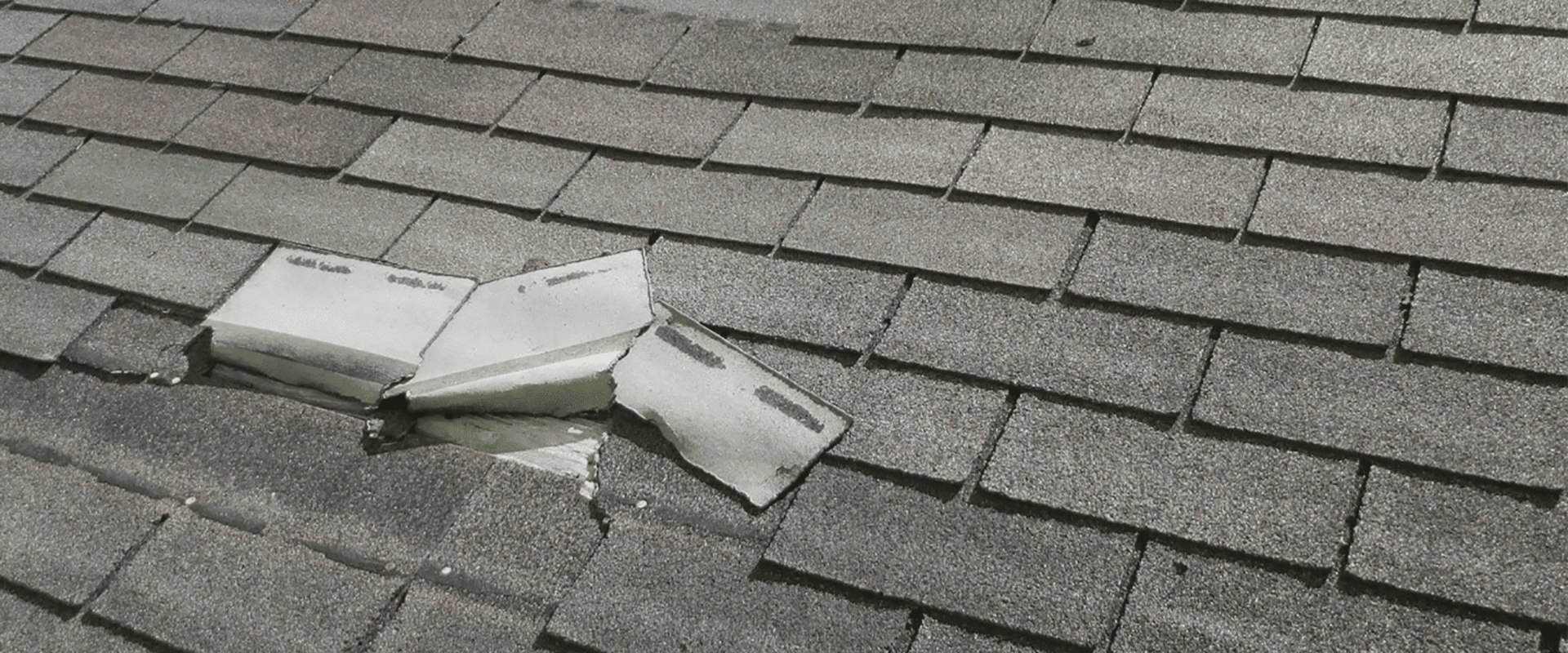
When it comes to maintaining the integrity of your home, identifying damage in shingles and tiles is a critical task that should not be overlooked. Your roof serves as the first line of defense against the elements, protecting you and your family from harsh weather conditions. However, over time, exposure to sun, rain, and wind can lead to deterioration and damage that may compromise its effectiveness. Whether you have asphalt shingles, clay tiles, or any other roofing material, understanding how to spot potential issues can save you from costly repairs down the line. From missing or cracked shingles to discoloration and mold growth, each sign of wear and tear requires your attention.
In this article, we will guide you through the essential steps to inspect shingles or tiles for damage, ensuring that your roof remains in optimal condition. As we delve into the intricacies of roof inspections, you will learn about common problems to look for, the best practices for a thorough examination, and when it might be time to call in a professional. With our comprehensive insights and practical advice, you will be better equipped to safeguard your home against unforeseen roofing issues. So grab your inspection checklist and let’s embark on a journey to ensure your roof stands strong against the test of time!Regular roof inspections are crucial for maintaining the integrity of a home. A well-maintained roof protects the structure from various weather elements, including rain, snow, wind, and extreme temperatures.
Damage to shingles or tiles can lead to significant issues such as leaks and structural damage, which may result in costly repairs. For instance, studies show that around 80% of roofs fail prematurely due to lack of maintenance and inspection. There are several types of roofing materials available, each with its own specific vulnerabilities.
Asphalt shingles
are among the most common due to their affordability and ease of installation, but they can be susceptible to curling, cracking, and granule loss over time.Wood shingles
, while aesthetically pleasing, are prone to rot and insect damage if not properly maintained.Metal roofs, known for their durability, can still suffer from rust or punctures. On the other hand, ceramic tiles offer longevity but can crack under heavy impact, while concrete tiles are heavy and may crack or break if not installed correctly. When inspecting your roof for damage, it's important to recognize common signs. Look for missing or cracked shingles or tiles, curling edges, and discoloration. These indicators often point to underlying issues that need immediate attention.
Additionally, granule loss—where the protective granules on asphalt shingles wear away—can expose the underlying material to the elements. Another critical sign of damage is water leaks inside the home, which may manifest as stains on ceilings or walls. A step-by-step method for inspecting your roof starts with a visual check from the ground. Stand back and look for any obvious signs of damage or wear. If necessary, use binoculars for a closer inspection without needing to climb onto the roof.
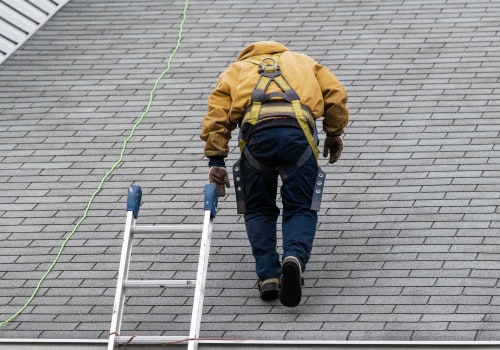
If you feel comfortable accessing the roof safely, make sure to wear appropriate footwear and use a harness if required. Pay special attention to areas around chimneys, vents, and valleys where water might collect. Real-life examples can help illustrate what damaged shingles or tiles look like. For instance, a homeowner may notice that some shingles are missing entirely after a storm, exposing the underlayment to potential water damage. In another case, cracked ceramic tiles might allow moisture to seep beneath them, leading to rot in the underlying wood structure. Addressing roofing issues promptly is vital; delaying repairs can lead to more significant problems down the line, such as mold growth or structural damage that could cost thousands of dollars to fix.
Safety is paramount when inspecting roofs; always use a sturdy ladder and avoid walking on wet surfaces that can be slippery. In some cases, it is advisable to call in a roofing professional for an inspection. If you notice extensive damage or if your roof is older than 20 years, it’s wise to seek expert advice. Professionals have the experience and tools needed to assess damage accurately and recommend necessary repairs or replacements.
Understanding Different Roofing Materials
When it comes to maintaining the integrity of your roof, understanding the different types of roofing materials is essential. Each material has its own unique characteristics, benefits, and potential issues that can arise over time.This knowledge will help homeowners identify damage in shingles or tiles and take appropriate action.
Asphalt Shingles
are the most common roofing material in North America. They are affordable and come in a variety of colors and styles. However, they can be prone to cracking, curling, and granule loss due to weather exposure. Regular inspection is necessary to catch these issues early.Clay Tiles
offer a durable and aesthetically pleasing option for roofing.They are resistant to rot and insects but can be heavy and may crack under impact or extreme weather conditions. Inspecting clay tiles for cracks or loose pieces is crucial to prevent leaks.
Concrete Tiles
are similar to clay tiles but are often more affordable and easier to install. They can withstand harsh weather but may also crack or break under heavy impact. Regular inspections should focus on checking for any broken or misaligned tiles.Metal Roofing
has gained popularity due to its longevity and energy efficiency.It is resistant to extreme weather but can be susceptible to denting from hail or falling branches. Homeowners should inspect for any dents or rust spots that could compromise the roof's integrity.
Wood Shakes and Shingles
provide a rustic aesthetic but require more maintenance than other materials. They can be prone to rot, mold, and insect damage. Regular inspections should look for signs of decay or damage from pests. Understanding these different roofing materials and their common issues is crucial for effective roof inspections.By being aware of the specific characteristics of your roofing material, you can take proactive steps to maintain the integrity of your roof and protect your home.
Signs of Damage to Look For
When conducting a thorough inspection of your roof, it’s crucial to identify shingle or tile damage early on to prevent further issues. Here are some key indicators to watch for:Missing Shingles or Tiles: One of the most obvious signs of damage is the absence of shingles or tiles in certain areas. This can expose your roof to leaks and other weather-related issues.Cracked or Broken Shingles:
Look for any visible cracks or breaks in the shingles. These can compromise the integrity of your roof, allowing water to seep through and cause internal damage.Curled or Cupped Edges:
If the edges of your shingles appear curled or cupped, this indicates they may be aging or have been damaged by extreme weather.This condition can lead to inadequate protection against rain and snow.
Granule Loss:
Check for excessive granule loss in the gutters or on the ground below your roof. Granules protect shingles from UV rays and help with waterproofing; their loss can accelerate deterioration.Water Stains Inside:
If you notice water stains or discoloration on your ceilings or walls, this may indicate that your roof has leaks caused by damaged shingles or tiles.Mold or Algae Growth:
The presence of mold or algae on shingles can suggest trapped moisture, which often leads to further deterioration. It’s important to address this promptly to maintain roof health.Rusty Flashing:
Inspect the flashing around vents, chimneys, and skylights. Rusty or deteriorating flashing can lead to leaks and should be repaired or replaced to ensure a watertight seal. Being aware of these signs can help you take proactive measures in maintaining your roof and preserving the overall integrity of your home.When to Call a Professional
While it is crucial for homeowners to regularly inspect their roofs for damage, there are certain scenarios where professional help is necessary.Attempting to address complex issues without the right expertise can lead to further damage and safety risks. First and foremost, if you notice extensive damage such as missing shingles or cracked tiles, it is essential to call in a professional. These issues can compromise the roof's integrity and lead to leaks, which may cause significant water damage to the interior of your home. Another scenario that warrants professional assistance is if you observe signs of mold or mildew on the roof or in your attic. These can be indicators of trapped moisture due to roof damage, which can pose health risks and require specialized remediation. If you encounter any structural issues, such as sagging areas or visible decking damage, it's imperative to seek a roofing expert. Structural problems can lead to severe consequences if not addressed promptly. Additionally, if your roof has reached the end of its lifespan—typically around 20-30 years for most shingles—consulting a professional is advisable.
They can assess whether repairs are feasible or if a complete replacement is necessary. Lastly, if your inspection reveals damage after a severe storm or high winds, it’s wise to contact a professional. They have the expertise to accurately assess storm-related damage that may not be immediately visible.
How to Safely Inspect Your Roof
Conducting a roof inspection is crucial for identifying potential issues before they escalate into costly repairs. To ensure safety during your inspection, follow these steps:Conducting a roof inspection is crucial for identifying potential issues before they escalate into costly repairs. To ensure safety during your inspection, follow these steps:1.Gather Necessary Tools: Before climbing onto your roof, equip yourself with essential tools such as a sturdy ladder, safety harness, flashlight, and binoculars. These items will aid in a thorough inspection while keeping you secure.2.Choose the Right Time:
Select a clear day with no rain or strong winds for your inspection.Wet or windy conditions can make climbing and walking on the roof hazardous.
3.Inspect from the Ground:
Start your inspection by examining the roof from the ground using binoculars. Look for any visible signs of damage such as missing shingles or tiles, discoloration, or sagging areas.4.Set Up Your Ladder:
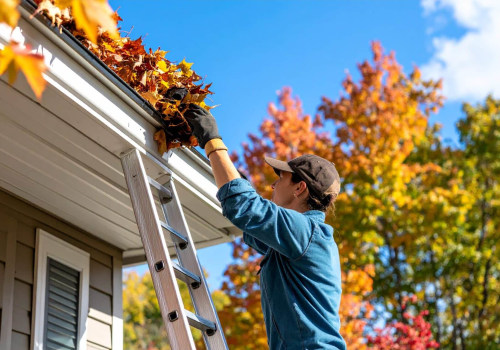
If necessary, use a stable ladder to access the roof safely. Ensure the ladder is placed on level ground and extends at least three feet above the roof edge for secure access.5.Wear Safety Gear:
Always wear appropriate safety gear, including non-slip shoes and a hard hat, to protect yourself from potential falls or debris.6.Move Cautiously:
While on the roof, walk carefully and avoid stepping on any damaged areas. Keep your weight distributed evenly to prevent slipping.7.Check for Common Issues:
Look for signs of damage such as curled or cracked shingles, missing tiles, granule loss, or rusted flashing.Pay special attention to areas around chimneys, vents, and skylights where leaks commonly occur.
8.Document Your Findings:
Take notes or photographs of any damage you discover during your inspection. This documentation will be valuable for repairs and when communicating with roofing professionals.9.Consider Professional Help:
If you’re uncomfortable inspecting your roof yourself or notice significant damage, it’s best to hire a professional roofing contractor who can provide a comprehensive assessment and recommend necessary repairs. In conclusion, this article has emphasized the significance of Inspecting shingles or tiles for damage as a critical component of regular roof maintenance. By understanding different roofing materials and recognizing the signs of damage, homeowners can effectively protect their investment and ensure the longevity of their roofs. Regular inspections not only help in identifying issues early on but also safeguard the structure from severe weather elements that can lead to more extensive damage. Moreover, we have discussed how safe roof inspection practices can empower homeowners to take charge of their roof's health.However, it is crucial to know when to seek professional assistance. If your inspections reveal significant damage or if you feel uncomfortable performing the inspection yourself, it is always wise to call a professional. By taking proactive measures based on the findings from your inspections, you can maintain the integrity of your home and avoid costly repairs in the future. Remember, a well-maintained roof is essential for protecting both your home and your peace of mind.