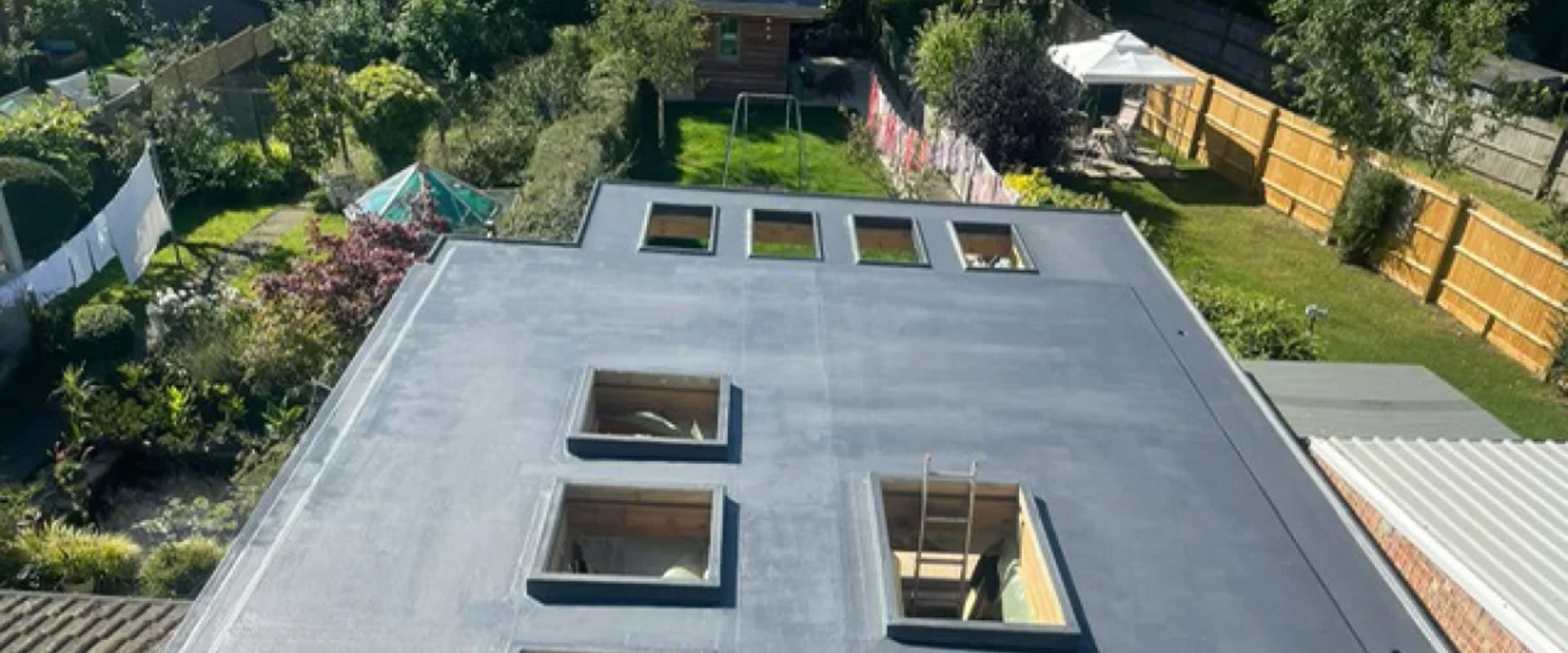
In the world of architecture and construction, the choice of roofing system plays a crucial role in defining not only the aesthetic appeal but also the functionality and longevity of a building. Among the various roofing options available, flat roofs have gained significant popularity for both residential and commercial properties, particularly in regions like fort lauderdale:. But what exactly makes them stand out? In this article, we will delve into the have gained significant popularity for both residential and commercial properties, particularly in regions like fort lauderdale:. But what exactly makes them stand out? In this article, we will delve into the benefits of flat roofs, uncovering the myriad advantages that these sleek and modern designs offer. Flat roofs are often perceived as a contemporary choice, but their benefits extend far beyond mere aesthetics. From providing additional usable space to energy efficiency and ease of maintenance, flat roofs are an innovative solution that can transform how we think about roofing systems.
As we explore these advantages, you will discover why flat roofs are not just a trend but a practical choice for many homeowners and builders alike. Join us as we navigate through the various perks of adopting a flat roofing system. Whether you are considering a new build or contemplating a renovation, understanding these benefits will help you make an informed decision that aligns with your vision and requirements. Let's uncover the compelling reasons why flat roofs could be the ideal solution for your next project.
Flat roofs
have become increasingly popular among homeowners and commercial properties alike, thanks to their modern aesthetic and practical advantages. Their unique design and functional characteristics offer a plethora of benefits that make them an attractive choice for various applications. One of the primary advantages of flat roofs is their cost-effectiveness.Generally, the construction and installation costs associated with flat roofing systems are lower compared to traditional sloped roofs. This is largely due to the simpler design and the reduced material requirements. For instance, the labor costs can be significantly decreased because the installation process is less complex and requires fewer man-hours. Additionally, the ease of installation contributes to the overall cost savings. Flat roofing systems can often be installed in a shorter time frame, allowing homeowners to move in or use their buildings more quickly.
Many flat roofing materials are also lightweight, which means that they don’t require extensive structural reinforcement of the building, further reducing costs. The Many flat roofing materials are also lightweight, which means that they don’t require extensive structural reinforcement of the building, further reducing costs. The versatility in design is another compelling benefit of flat roofs. They offer a clean, modern look that can complement various architectural styles. Homeowners can utilize the flat surface for additional outdoor living space, such as patios or rooftop gardens, which can enhance their property's value and functionality. Furthermore, green roofs have gained popularity due to their environmental benefits; they improve insulation and reduce stormwater runoff while providing a natural habitat for wildlife. When it comes to materials used in flat roofing systems, there are several options available, each with distinct advantages.
TPO (Thermoplastic Olefin) is known for its energy efficiency and durability, making it a popular choice for commercial buildings. EPDM (Ethylene Propylene Diene Monomer), on the other hand, is highly resistant to extreme weather conditions and UV radiation, ensuring longevity. PVC (Polyvinyl Chloride) offers excellent resistance to fire and chemicals, making it suitable for industrial applications. A common concern regarding flat roofs is drainage issues. Many people believe that flat roofs do not drain properly, leading to water pooling and potential leaks.
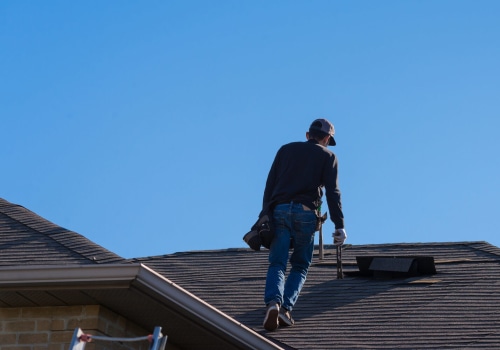
However, when installed correctly with adequate drainage systems such as scuppers or internal drains, flat roofs can effectively channel water away from the surface. Expert opinions emphasize that the correct slope—usually a minimum of 1-2%—is crucial in preventing water accumulation and enhancing roof longevity. The longevity of flat roofing systems can also be misunderstood. While some may think that flat roofs wear out faster than pitched roofs, high-quality materials like TPO or EPDM can last 20 years or more with proper maintenance. Routine inspections and timely repairs are essential in extending the lifespan of these roofs. To maintain a flat roof effectively, homeowners should consider several specific maintenance tips.
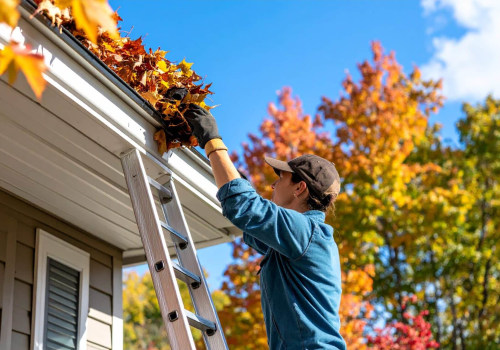
Regularly cleaning the roof surface to remove debris is vital, as accumulated leaves or dirt can trap moisture and lead to damage over time. Checking for cracks or blisters in the membrane is also important; if detected early, they can be repaired before they develop into more significant problems. Furthermore, ensuring that gutters and drains are clear will prevent water buildup and mitigate potential flooding issues during heavy rains. Regarding costs, it's essential for homeowners to have realistic expectations for installation and repair. The average cost of installing a flat roof ranges from $3 to $5 per square foot, depending on the material used and the complexity of the installation.
Repair costs can vary widely based on the extent of damage but generally range from $300 to $1,500 for minor repairs. Finally, hiring reliable contractors for flat roofing projects is crucial for ensuring quality work and durability. Homeowners should seek contractors with experience specifically in flat roofing systems. It's advisable to check reviews, ask for references, and verify licenses and insurance before making a decision. Additionally, obtaining multiple quotes can help ensure fair pricing while allowing homeowners to compare services offered by different contractors. In conclusion, flat roofs present numerous advantages such as cost-effectiveness, ease of installation, versatility in design, and potential outdoor living space opportunities.
By choosing suitable materials and maintaining them properly while working with skilled professionals, homeowners can enjoy the benefits of flat roofing systems for many years.
Eco-Friendly Solutions
Flat roofs are increasingly recognized for their eco-friendly solutions, making them a popular choice for both residential and commercial buildings. One of the most significant advantages of flat roofs is their ability to support green roofs. These systems involve planting vegetation on the roof, which can help reduce heat absorption, improve insulation, and manage stormwater runoff. By incorporating greenery into urban environments, flat roofs contribute to biodiversity and enhance air quality. Additionally, flat roofs are ideal for installing solar panels.Their expansive surface area allows for optimal placement and orientation of solar energy systems, maximizing sunlight exposure. This not only aids in reducing energy costs but also promotes sustainability by harnessing renewable energy sources. With the growing emphasis on energy efficiency and environmental responsibility, flat roofs stand out as a practical solution for modern building designs.
Cost-Effectiveness of Flat Roofs
Flat roofs are often considered a more affordable option compared to their sloped counterparts. One of the primary reasons for this cost-effectiveness lies in the materials used.Flat roofing systems typically require less material than sloped roofs, as they do not need the same structural support or complex framing. This reduction in material usage translates into lower costs for both the homeowner and the contractor. Additionally, the installation process for flat roofs tends to be simpler and quicker. The straightforward design allows for easier access during installation, which can significantly reduce labor costs. Contractors can complete flat roof installations in a fraction of the time it takes to install sloped roofs, further contributing to overall savings. Moreover, flat roofs often require less maintenance due to their simpler structure, which can save homeowners money over time.
With fewer shingles and components to worry about, the likelihood of repairs is decreased, making flat roofing systems a financially savvy choice in the long run. In summary, the combination of lower material costs, reduced labor expenses, and minimal maintenance needs make flat roofs a cost-effective roofing solution that appeals to both residential and commercial property owners.
Versatile Design Options
Flat roofs offer a range of design possibilities that cater to both residential and commercial buildings, making them an increasingly popular choice among architects and property owners. One of the most notable advantages of flat roofing systems is their adaptability, allowing for creative architectural solutions that can complement various styles and functionalities. For residential buildings, flat roofs can be transformed into functional outdoor spaces, such as rooftop gardens or terraces, providing homeowners with additional living areas that enhance their lifestyle. This versatility allows for unique landscaping options, where homeowners can create beautiful outdoor retreats in urban settings. In commercial settings, flat roofs lend themselves to a variety of uses. Businesses can utilize these spaces for equipment installations like HVAC units or solar panels, maximizing the utility of their rooftops without compromising aesthetic appeal.Additionally, flat roofing systems can be designed to accommodate rooftop patios or lounges that offer employees and clients inviting spaces for relaxation or social gatherings. The sleek profile of flat roofs also allows for seamless integration with modern architectural designs. They can serve as a striking contrast to traditional pitched roofs, giving buildings a contemporary edge. Furthermore, the clean lines of flat roofing systems make them ideal for minimalist designs that emphasize simplicity and functionality. Overall, the design possibilities offered by flat roofs are vast and varied, making them suitable for a wide range of applications in both residential and commercial contexts. Their ability to blend aesthetics with practicality sets them apart as a compelling option in the world of roofing materials.
Finding Reliable Contractors
When it comes to installing or repairing a flat roof, finding a reliable contractor is crucial to ensure the job is done correctly and efficiently.Here are some key tips to consider when hiring a contractor for flat roof installation or repair. First, always check for proper licensing and insurance. A reputable contractor should have the necessary licenses to operate in your area and carry liability insurance to protect you from any accidents that may occur on the job site. This not only ensures compliance with local regulations but also gives you peace of mind. Next, look for experience specifically with flat roofing systems. Flat roofs require different techniques and materials compared to traditional sloped roofs.
Therefore, it’s essential to hire a contractor who has a proven track record in flat roof installations and repairs. Additionally, ask for references and review past work. A reliable contractor should be able to provide you with contact information for previous clients. Reach out to these references to inquire about their experiences, satisfaction levels, and if they would recommend the contractor. Also, consider getting multiple quotes before making a decision. This will give you a better understanding of the market rates for flat roofing systems.
Be wary of quotes that seem too low, as they may indicate poor workmanship or the use of inferior materials. Finally, ensure that the contractor provides a detailed written estimate and contract. This document should outline the scope of work, materials to be used, timelines, and payment terms. A clear agreement helps prevent misunderstandings and ensures that both parties are on the same page throughout the project.
Durability and Maintenance
Flat roofs have gained a reputation for their ability to withstand various weather conditions, making them a popular choice for both residential and commercial buildings. The longevity of a flat roof largely depends on the materials used.Common flat roofing materials include EPDM (ethylene propylene diene terpolymer), TPO (thermoplastic polyolefin), and modified bitumen. Each of these materials offers different lifespans and durability characteristics.
EPDM
roofs can last between 20 to 30 years when properly installed and maintained. They are known for their exceptional resistance to UV radiation and extreme temperatures.TPO
, on the other hand, has a lifespan of about 15 to 25 years and is praised for its energy efficiency, reflecting sunlight and helping to keep buildings cooler.Lastly, modified bitumen roofs typically last around 10 to 20 years, providing good protection against moisture and wear. To ensure the durability of your flat roof, regular maintenance is essential. Here are some practical tips:
- Conduct routine inspections at least twice a year, especially after severe weather events. Look for signs of wear, such as cracks or blisters.
- Keep the roof clean by removing debris like leaves, branches, and dirt that can accumulate and trap moisture.
- Check for ponding water, which can lead to leaks and structural damage over time. Ensure that drainage systems are clear and functioning properly.
- If you notice any damage or wear, address it promptly.
Small repairs can prevent larger issues and extend the life of your roof.
It is crucial for readers to weigh these benefits against their specific requirements, considering factors such as location, climate, and building type. Consulting with reliable contractors will further assist in making informed decisions that align with individual needs.