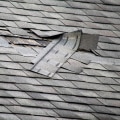
When embarking on a roofing project, many homeowners are excited about the prospect of a new roof that enhances their property's curb appeal and protects their investment. However, amidst the anticipation, it's crucial to unveil the overlooked expenses that can turn a seemingly straightforward project into a financial burden. While most people budget for materials and labor, they often underestimate the hidden costs in roofing projects that can arise unexpectedly. From permits and inspections to unforeseen repairs and disposal fees, the factors influencing the total cost of your roofing project can be complex and multifaceted. This article aims to shed light on these hidden expenses, equipping you with the knowledge needed to accurately estimate your roofing costs and avoid unpleasant surprises.
By understanding these potential pitfalls, you can make informed decisions and ensure that your roofing project stays within budget while achieving the quality and durability you desire. Join us as we delve deeper into the intricacies of roofing project expenses, exploring how to effectively plan for and manage these hidden costs. Your journey toward a successful roofing project starts here!When embarking on a roofing project, many homeowners focus primarily on the visible costs, such as the price of materials and labor. However, there are hidden costs in roofing projects that can significantly affect the overall budget. Understanding these additional expenses is crucial to avoid financial surprises down the line. One of the primary areas where hidden costs arise is in material selection.
Homeowners often have to choose between various roofing materials, each with its own price point and long-term value. For instance, while asphalt shingles may be more affordable upfront—typically ranging from $90 to $100 per square—they may require replacement after 15 to 20 years. In contrast, metal roofing, which can cost between $300 to $700 per square, offers durability and longevity, often lasting 50 years or more. This means that while metal roofing has a higher initial cost, it can lead to significant savings over time due to its extended lifespan and lower maintenance requirements. Beyond material costs, homeowners must also consider installation expenses that extend beyond the initial quote.
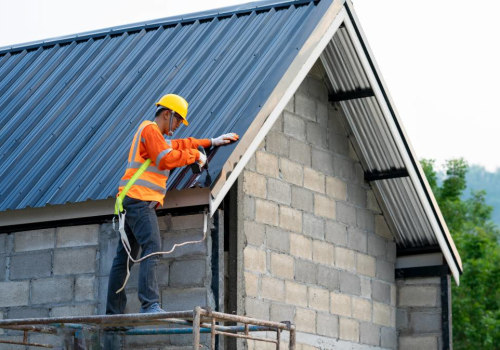
Labor rates can vary widely depending on the contractor’s experience, location, and complexity of the project. It's essential to realize that the initial estimate might not cover additional installation costsinstallation costs. For example, if a roof requires structural repairs before installation—such as replacing rotting wood or reinforcing trusses—these expenses can add hundreds or even thousands of dollars to the total project cost. Additionally, many municipalities require permits or inspections for roofing projects, which can further increase expenses. Another aspect of hidden costs involves ongoing maintenance.
Many homeowners underestimate the importance of regular roof maintenance, such as cleaning gutters, checking for leaks, or replacing damaged shingles. Neglecting these tasks can lead to larger issues down the line, such as water damage or mold growth, resulting in hefty repair bills that could have been avoided with proactive care. Investing in routine inspections can be a wise decision to prevent unexpected expenses. The choice of contractor also plays a significant role in determining overall costs. Finding reliable contractors is essential; however, their rates can differ significantly based on their reputation and experience.
A highly-rated contractor may charge more but often provides quality work and fewer complications throughout the project. On the flip side, opting for the cheapest bid could lead to subpar work and increased expenses if issues arise later. Moreover, unforeseen circumstances during a roofing project can result in additional costs. Weather delays are a common issue; heavy rains or storms can halt progress and extend the timeline of a project, leading to increased labor costs. Furthermore, hidden damage—such as compromised insulation or unseen rot—can be discovered only after the old roof is removed.
These unexpected findings can lead to costly repairs that were never accounted for in the initial budget. To illustrate these points with real-life scenarios: consider a homeowner who decided to go with asphalt shingles for their roof replacement due to the attractive upfront price. Shortly after installation, they neglected regular maintenance checks. A few years later, they discovered leaks due to clogged gutters and rotting wood underneath the shingles, leading them to incur substantial repair costs that exceeded what they would have spent on a more durable roofing option like metal roofing. This scenario highlights how critical it is for homeowners to be aware of hidden costs associated with their choice of materials and contractors and to understand the ongoing maintenance required for their roofs.
By taking these factors into account before starting a roofing project, homeowners can effectively manage their budgets and avoid unexpected financial strain.
Choosing the Right Contractor
When it comes to roofing projects, one of the most significant factors influencing the overall cost is the choice of contractor.Contractor rates
can vary widely, depending on their experience, reputation, and the specific services they offer. Understanding these variations is crucial for homeowners looking to budget effectively. For instance, a highly-rated contractor with years of experience may charge more per hour compared to a less established one. However, opting for the cheaper option might lead to subpar workmanship or hidden costs down the line, such as needing repairs sooner than expected.Therefore, while it may be tempting to choose the lowest bid, it’s essential to weigh the potential long-term costs against the initial savings. Additionally, some contractors may include various services in their quotes, such as cleanup or warranty coverage, while others might charge extra for these. This discrepancy can lead to unexpected expenses if not clarified upfront. Homeowners should always request a detailed breakdown of what is included in the quote to avoid any surprises later on. Furthermore, it’s advisable to check reviews and ask for references before making a final decision. A contractor with a proven track record may be worth the extra investment, as their reliability can save you from unforeseen expenses that come from hiring someone less qualified.
Material Selection and Its Impact on Costs
When embarking on a roofing project, one of the most significant decisions homeowners face is material selection.The type of roofing material chosen not only affects the initial installation costs but also has long-term financial implications. For instance, traditional asphalt shingles are often seen as a budget-friendly option due to their lower upfront costs. However, they typically have a shorter lifespan compared to materials like metal or slate. Homeowners may find themselves needing to replace asphalt shingles every 15 to 20 years, leading to additional expenses over time. On the other hand, materials such as metal roofing, while higher in initial cost, can offer significant savings in the long run. Metal roofs can last 40 to 70 years and require minimal maintenance, which reduces both repair costs and the frequency of replacements.
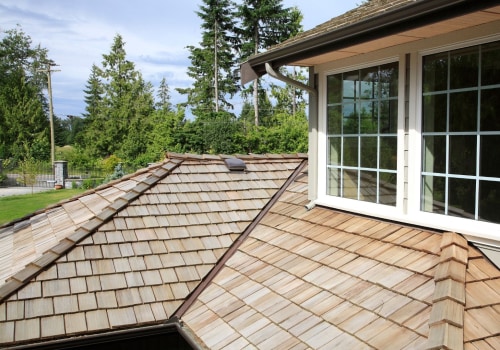
Additionally, metal roofs are often more energy-efficient, which can lead to lower utility bills over time. Similarly, tile roofing presents another option that combines durability with aesthetic appeal. While the initial investment is substantial, tile roofs can last upwards of 50 years and provide excellent insulation, further enhancing energy savings. Ultimately, understanding the relationship between material selection and its impact on costs is crucial for homeowners. By considering not just the initial costs but also the longevity and maintenance requirements of different materials, homeowners can make informed decisions that protect their budgets in the long run.
Ongoing Maintenance: A Costly Oversight
Many homeowners embarking on a roofing project often overlook the importance of regular maintenance.Ongoing maintenance
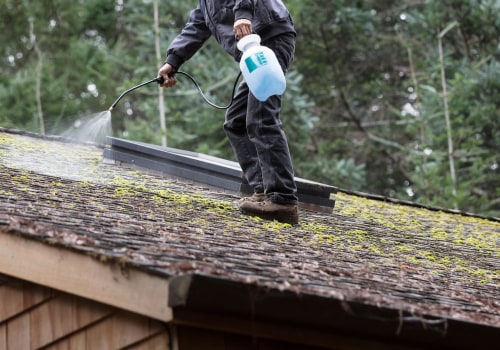
is not just an additional task; it is a crucial investment that can save you substantial amounts of money in the long run.Neglecting this aspect can lead to more significant problems that require costly repairs, ultimately impacting your overall roofing project budget. Routine inspections and maintenance can help identify small issues before they escalate into major concerns. For example, a minor leak that goes unnoticed can lead to water damage, mold growth, and even structural damage to your home. By investing in ongoing maintenance, you are essentially safeguarding your roofing investment, ensuring it remains in optimal condition for years to come. Statistics show that homeowners who engage in regular maintenance can reduce their long-term roofing costs by up to 50%. This reduction is primarily due to catching problems early and avoiding extensive repairs later.
Thus, understanding the significance of ongoing maintenance should be a priority for anyone considering a roofing project. In summary, while the initial cost of roofing may be front and center in your budgeting process, it is essential to factor in the ongoing costs associated with maintaining your roof. By doing so, you not only protect your home but also keep your finances in check.
Installation Costs Beyond the Quote
When homeowners receive a quote for their roofing project, it often reflects only the basic costs involved. However, there are hidden costs that can arise during installation, which can significantly inflate the final bill. Understanding these potential expenses is crucial for effective budgeting. One of the most common additional expenses is related to labor costs.While the initial quote may cover standard labor for the roofing team, unforeseen circumstances such as bad weather or complications with the existing roof structure can lead to increased labor hours. This means that homeowners might end up paying more than anticipated if the project takes longer than expected. Another factor to consider is the need for permits. Depending on local regulations, specific permits might be required to carry out roofing work legally. While a contractor may include some permit fees in their initial estimate, others may be overlooked.
It's important for homeowners to check with their local authorities to understand what permits are necessary and how much they may cost. Additionally, unexpected repairs can add to the installation costs. During the tearing-off process, contractors often discover underlying issues such as water damage, rot, or structural problems that were not visible beforehand. Addressing these issues is critical to ensure the longevity and safety of the new roof, but it can also lead to significant unplanned expenses. In conclusion, while obtaining a quote for a roofing project is an essential first step, homeowners must be aware of the potential hidden costs associated with installation. By anticipating these expenses related to labor, permits, and unexpected repairs, homeowners can better prepare their budgets and avoid financial surprises down the line.
Unexpected Costs: What to Watch For
When embarking on a roofing project, many homeowners are caught off guard by the hidden costs that can arise.Understanding these unexpected expenses is crucial for maintaining control over your budget. Here are some common surprises to watch for:1.Structural Repairs: Often, the underlying structure of the roof may require repairs that are not visible until the old roofing material is removed. This could include issues with rafters, decking, or insulation that need attention before new shingles can be installed.
2.Permits and Inspections:
Depending on your location, you may need specific permits to carry out roofing work. These permits often come with fees, and failing to obtain them can lead to fines or additional costs down the line.Additionally, some regions require inspections, which can add to your overall expense.
3.Disposal Fees:
Removing old roofing materials can be a hefty task that incurs disposal fees. Many contractors charge for the removal and disposal of debris, which can add up quickly if not factored into the initial estimate.4.Weather Delays:
Unforeseen weather conditions can halt a roofing project, leading to increased labor costs and potential damage to materials already on-site. It’s essential to have a contingency plan in place for such occurrences.5.Upgrades to Materials:
While you might start with a budget-friendly choice of roofing materials, it’s not uncommon for homeowners to change their minds mid-project. Opting for higher-quality materials or additional features can significantly increase overall costs. By being aware of these potential unexpected costs, homeowners can better prepare themselves financially and avoid the stress of overspending during their roofing projects. In conclusion, being aware of hidden costs in roofing projects is crucial for homeowners looking to undertake a roofing project.These overlooked expenses can greatly affect your overall budget, turning a seemingly manageable project into a financial burden if not accounted for. By conducting thorough research and obtaining multiple estimates, you can uncover potential hidden costs and ensure that you are making informed decisions. Understanding these hidden costs allows for better budgeting and planning, ultimately leading to a more successful roofing experience. Remember, the more informed you are about the intricacies of your roofing project, the better equipped you will be to navigate the complexities and avoid unpleasant surprises down the road.