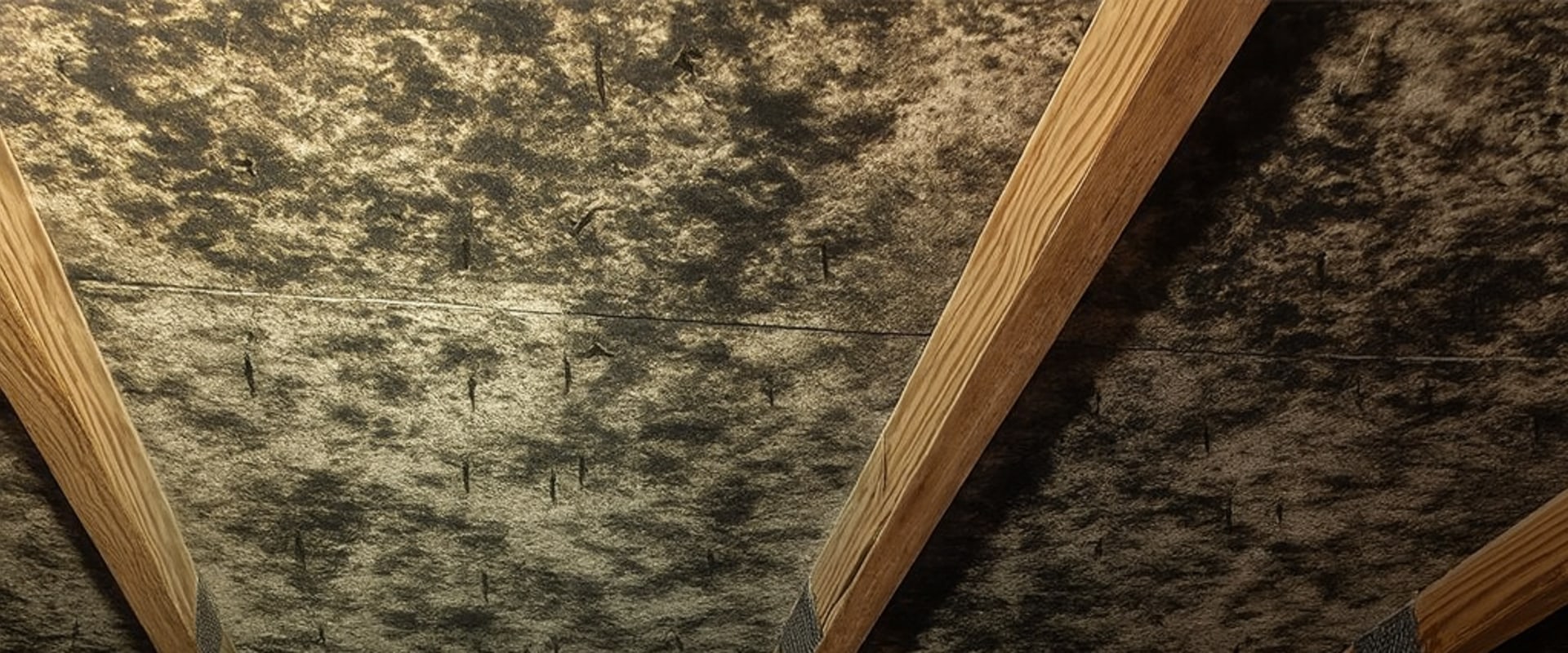
When conducting a thorough roof inspection, one of the most critical elements to assess is the condition of the insulation.
Inspecting insulation for mold or rot
is not just a routine task; it's an essential step in ensuring the longevity and safety of a home. Mold and rot can silently wreak havoc, compromising not only the insulation's efficiency but also the structural integrity of the entire roof system. Imagine discovering that your cozy attic, which seemed like a safe haven, has been harboring hidden dangers. The presence of mold can lead to serious health issues for occupants, while rot can weaken beams and rafters, leading to costly repairs down the line.With such high stakes, it becomes imperative to know what to look for during your roof inspection. This article will delve into the intricacies of identifying mold and rot in insulation, providing you with the knowledge and tools necessary to conduct a comprehensive inspection. We'll explore the signs of mold growth, the indicators of rot, and practical steps you can take to ensure your insulation remains a protective barrier rather than a source of concern. Whether you're a seasoned inspector or a homeowner wanting to safeguard your investment, understanding how to spot these issues can make all the difference. Join us as we uncover the vital aspects of insulation inspection and empower yourself with the information needed to protect your home from the unseen threats lurking in your roof's insulation. When it comes to maintaining a healthy home environment, inspecting insulation for mold or rot is a critical step that should not be overlooked. Roof insulation plays a vital role in regulating temperatures within the home, and when it becomes compromised by mold or rot, it can lead to increased energy costs and potential health risks for the occupants.
Understanding the various types of insulation materials commonly used in roofing can help homeowners identify vulnerabilities during inspections. Common types of insulation materials include fiberglass, foam board, and cellulose.
Fiberglass
is one of the most widely used insulation materials due to its effectiveness and cost-efficiency. However, it is essential to note that while fiberglass itself is not susceptible to mold, it can retain moisture if it becomes wet, which creates an environment conducive to mold growth.Foam board
insulation provides excellent thermal resistance and is generally resistant to moisture; however, if there are leaks or water intrusion issues, mold can still develop on the surface or around the edges where moisture accumulates.Cellulose, made from recycled paper products, is highly effective as an insulator but is also more prone to mold and rot if exposed to moisture, as it can absorb water easily. The inspection process for identifying mold or rot in insulation should be systematic and thorough. Start by checking for moisture intrusion, which is often the root cause of mold growth. Look for any signs of water leaks from the roof, plumbing, or condensation. Inspect areas near vents and chimneys where moisture might accumulate.
Next, conduct a visual inspection for any discoloration or unusual odors. Mold often appears as black, green, or white patches on insulation surfaces, while a musty smell can indicate hidden mold growth. A crucial tool in the inspection process is a moisture meter. This device can measure the moisture levels within insulation materials and help identify areas that may not be immediately visible but are at risk for mold development. By carefully monitoring these moisture readings, homeowners can determine whether their insulation requires further attention. Different conditions can lead to mold growth in insulation.
For instance, leaks from roofs can allow water to seep into insulation materials, creating a damp environment ripe for mold proliferation. Poor ventilation in attics or crawl spaces can also trap heat and moisture, encouraging mold growth. It’s important to ensure that ventilation systems are functioning properly and that there are no obstructions preventing airflow. When inspecting insulation for mold or rot, safety measures are paramount. Wearing protective gear such as gloves, goggles, and a mask is essential to avoid exposure to mold spores that may be released during inspection.
If you are uncertain about handling potential mold contamination, consider hiring a professional inspector who specializes in mold remediation. Some readers may be hesitant to conduct inspections due to concerns about complexity or necessity. However, it is essential to emphasize that regular inspections are a proactive measure that can save homeowners significant costs down the line by identifying issues early on. Simple DIY methods for inspecting insulation include periodic checks for visible signs of damage or dampness after heavy rainstorms or significant changes in humidity. If homeowners notice any signs of potential issues but feel overwhelmed by the thought of conducting an inspection themselves, it is wise to consult with professionals who have the expertise and tools necessary for a thorough evaluation. Regular maintenance and vigilance are key to ensuring that your roof insulation remains effective and free from mold or rot, safeguarding both your home’s energy efficiency and your family's health.
When to Seek Professional Help
While homeowners can perform basic inspections for mold and rot in insulation, there are certain situations that warrant the expertise of a professional.If you notice extensive damage or if the affected area is large, it is advisable to call in a roofing expert. They possess the necessary tools and knowledge to assess the situation accurately and determine the best course of action. Additionally, if you encounter persistent odors that resemble mildew or dampness, this may indicate a deeper problem within the roof structure or insulation. A professional can conduct a thorough evaluation and recommend appropriate remediation strategies. Another critical reason to seek professional help is if you find moisture accumulation that does not seem to dry out over time. This could be a sign of ongoing water intrusion, which requires immediate attention to prevent further damage and health risks associated with mold exposure. Lastly, if you are unsure about the extent of the damage or how to proceed with repairs, consulting with an expert can provide peace of mind.
They can guide you on the necessary steps to restore your insulation and maintain a healthy home environment.
Safety First
When conducting an inspection for mold or rot in insulation, it is essential to prioritize safety to protect both yourself and the integrity of the home. Begin by wearing appropriate personal protective equipment (PPE), including gloves, goggles, and a mask rated for mold exposure. This gear will help minimize your risk of inhaling spores or coming into contact with harmful substances. Ensure that the area being inspected is well-ventilated. Open windows and doors if possible, and use fans to circulate air, which can help disperse any airborne spores.If you encounter extensive mold growth, it may be wise to evacuate the premises until the area can be properly treated. Before starting the inspection, check for any signs of structural damage or instability. Look for sagging ceilings or walls that may indicate a compromised structure due to water damage. If you notice such signs, it might be best to consult with a professional before proceeding further. Lastly, have a plan in place for handling any hazardous materials you may discover. Know how to safely contain and dispose of contaminated insulation or materials to prevent cross-contamination and further health risks.
Inspection Techniques
When it comes to inspecting insulation for mold or rot, employing effective methods is crucial for identifying potential issues before they escalate.Here are some techniques that can help homeowners and inspectors alike.
Visual Inspection
: Start with a thorough visual inspection of the insulation material. Look for discoloration, dark spots, or any signs of water damage. Mold often appears as black, green, or white patches, while rot may present as a soft, spongy texture. Pay close attention to areas near leaks, vents, or where insulation meets other building materials.Smell Test
: A musty odor can be a strong indicator of mold presence.If you notice an unusual smell in the area where insulation is installed, it's essential to investigate further. This could mean inspecting hidden spaces or even conducting air quality tests.
Moisture Meter
: Using a moisture meter can provide valuable insights into the condition of insulation. High moisture levels often indicate potential mold growth or rot. A reading above 20% moisture content in insulation materials should raise red flags.Thermal Imaging
: Thermal imaging cameras can help detect temperature variations within walls and ceilings, indicating possible moisture accumulation behind insulation.This method is particularly useful for identifying hidden problems that are not visible to the naked eye.
Sampling and Testing
: In cases where mold is suspected, consider taking samples of the insulation material for laboratory testing. This can confirm the presence of mold spores and help identify the type of mold, allowing for tailored remediation strategies. By utilizing these inspection techniques, homeowners can effectively monitor their insulation for mold or rot, ensuring their home remains a safe and healthy environment.Signs of Mold and Rot
When inspecting insulation, it is crucial to be vigilant for signs that indicate mold or rot has compromised its integrity. Homeowners should be aware of several common indicators that can help in identifying these issues early on. One of the primary signs of mold presence is a musty odor. If you notice an unpleasant smell emanating from the insulation area, it could be a clear indication that mold is growing.Additionally, look for visible patches of mold, which can appear as dark spots or fuzzy growths on the surface of the insulation material. Another indicator is discoloration or staining on the insulation itself. If you observe yellow, brown, or black stains, it may suggest moisture accumulation that has led to mold or rot. Also, check for any soft or spongy areas within the insulation. Healthy insulation should feel firm; if it feels mushy or crumbles easily, it may be a sign of rot.Furthermore, inspect the surrounding areas for water damage.
This includes looking for leaks in the roof or walls that could contribute to moisture retention in the insulation. Water stains on ceilings or walls near the insulation are strong indicators of potential issues. Lastly, pay attention to any insect activity. Certain pests are attracted to damp environments and may nest within compromised insulation. If you notice insects, it could be an indication of underlying moisture problems linked to mold or rot.By being aware of these signs, homeowners can take proactive measures to address issues related to mold and rot, ensuring their insulation remains effective and their home environment stays healthy.
Understanding Insulation Types
When it comes to insulation, there are several types that homeowners may encounter, each with unique characteristics and benefits.Understanding these materials is crucial for effective insulation inspections and identifying potential issues such as mold or rot.
Fiberglass Insulation
: This is one of the most common types of insulation. It is made from fine glass fibers and is available in batts, rolls, or loose-fill forms. Fiberglass is non-combustible and has a high resistance to moisture, making it a popular choice for many homes. However, if it becomes wet, it can lose its insulating properties and may develop mold.Foam Board Insulation
: Often used for exterior walls and roofs, foam board insulation provides a high insulating value with minimal thickness.It is resistant to moisture and has a low thermal conductivity. However, if the board becomes damaged or improperly installed, it can trap moisture and lead to rot.
Spray Foam Insulation
: This type expands on application and fills gaps effectively, creating an air-tight seal. It can significantly reduce energy costs but may be susceptible to moisture issues if not applied correctly. Improper installation can lead to trapped moisture, fostering conditions for mold.Cellulose Insulation
: Made from recycled paper products, cellulose insulation is treated with fire retardants and is an eco-friendly option.While it offers good thermal performance, cellulose can absorb moisture easily, which may lead to mold growth if not properly ventilated.
Mineral Wool (Rock Wool)
: Known for its fire-resistant properties, mineral wool is made from natural or recycled materials. It is also water-resistant and does not promote mold growth, making it a resilient option for insulation. However, it can still be affected by prolonged exposure to moisture. Each type of insulation has its strengths and weaknesses, particularly when it comes to moisture management. Homeowners should be aware of these characteristics during their inspections to effectively identify signs of mold or rot, ensuring their home remains safe and energy-efficient. In conclusion, regular inspections for mold and rot in insulation are crucial for maintaining the integrity of your home.Throughout this article, we have highlighted the importance of understanding different insulation types, recognizing the signs of mold and rot, and employing effective inspection techniques. Ensuring safety during inspections cannot be overstated, and knowing when to seek professional help is essential. By taking proactive steps to inspect and maintain your roof and insulation, you can not only enhance energy efficiency but also safeguard your family's health. Remember, early detection of issues like mold and rot can lead to significant cost savings and a healthier living environment.