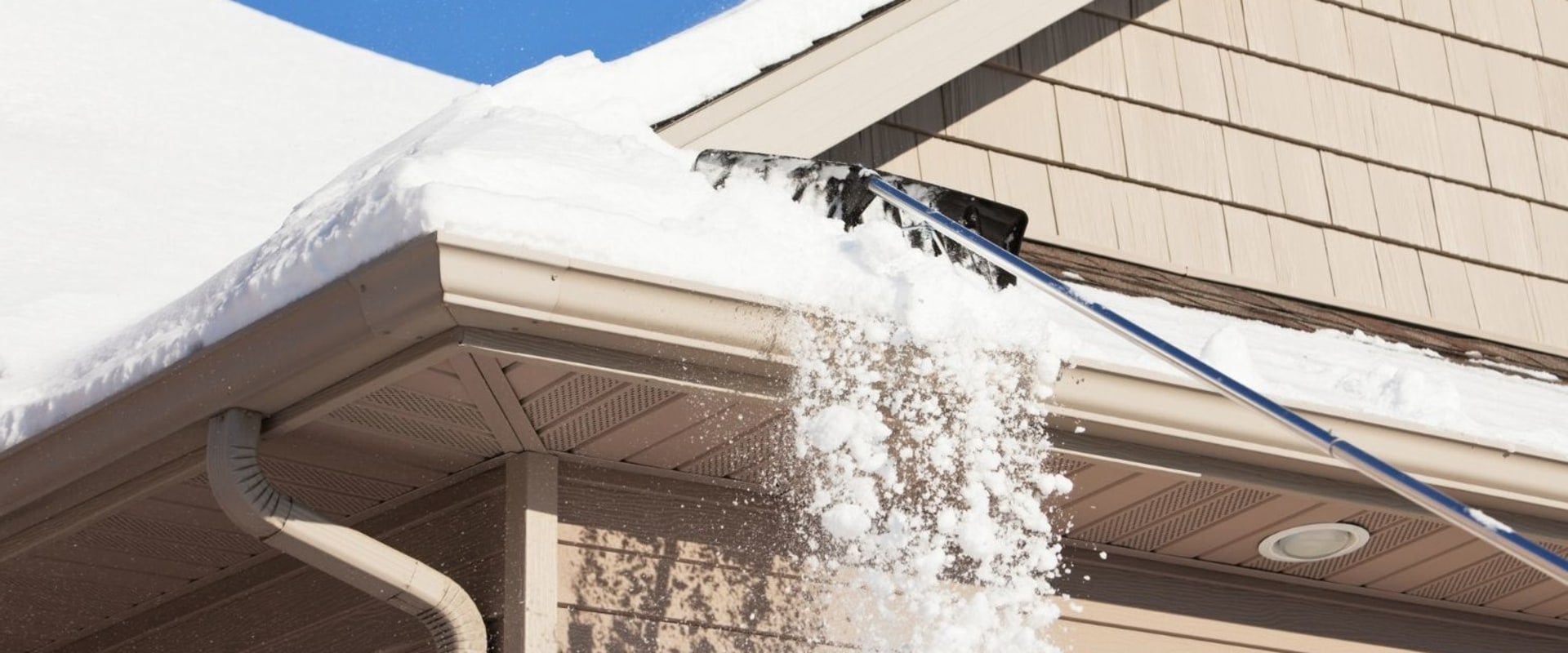
As the crisp air of autumn gives way to the chill of winter, homeowners must turn their attention to one of the most crucial aspects of their property: preparing your roof for winter weather. The roof is your home’s first line of defense against harsh elements, and neglecting its maintenance can lead to costly repairs and discomfort during the colder months. Winter storms can bring heavy snow, ice, and strong winds, all of which can take a toll on an unprepared roof. Whether you live in an area known for heavy snowfall or experience occasional winter storms, taking proactive steps to ensure your roof is in optimal condition is essential.
In this guide, we will explore practical tips and strategies for preparing your roof for winter weather, helping you protect your home and ensure its longevity. From inspecting shingles to clearing gutters, these essential maintenance tasks will not only safeguard your roof but also give you peace of mind throughout the season. So, let’s dive in and discover how to keep your roof resilient against winter’s challenges!Preparing your roof for winter weather is crucial to safeguarding your home from the harsh elements that can wreak havoc during the colder months. One of the first steps in this preparation process is conducting thorough roof inspections.
These inspections should be performed before winter sets in to identify potential vulnerabilities. Homeowners should look for cracks, missing shingles, and other signs of wear that could lead to significant damage when snow and ice accumulate. Addressing these issues early can prevent costly repairs later on. Different roofing materials perform variably under winter conditions. For example, asphalt shingles are commonly used due to their affordability and durability, but they can become brittle in extreme cold, making them more susceptible to damage.
On the other hand, metal roofing offers superior performance in winter weather, as it allows snow to slide off easily, reducing the risk of ice dams forming. It's important to understand how your specific roofing material reacts to winter conditions to take the appropriate preventive measures. Another critical aspect of preparing your roof is ensuring that your gutters and downspouts are clean and functional. Clogged gutters can lead to water pooling, which can freeze and create ice dams. To clean your gutters, start by removing debris such as leaves and twigs.
Use a garden trowel to scoop out any buildup, and then flush the gutters with water to ensure proper drainage. Don't forget to check the downspouts for blockages and clear them as needed. This simple maintenance task can significantly reduce the risk of roof damage during winter storms. In addition to maintaining your roof's exterior, it's essential to focus on insulation and ventilation within your attic. Proper insulation helps maintain a consistent temperature in your home, preventing heat from escaping and causing snow on the roof to melt prematurely.
When this melted snow refreezes at the eaves, it can create ice dams that lead to leaks and structural damage. Adequate ventilation allows moisture to escape from the attic, reducing the risk of condensation that can contribute to mold growth and wood rot. Ensure that vents are clear and functioning properly to facilitate airflow. If your inspection reveals common issues such as missing shingles or damaged flashing, it's essential to assess whether a repair or a full replacement is necessary. Minor issues may be resolved with simple repairs, while extensive damage could warrant a complete roof replacement.
For homeowners uncertain about the extent of the damage, consulting with a professional roofing contractor can provide clarity. Generally, repair costs are lower than replacement costs, but these estimates can vary based on materials used and local labor rates. When considering repairs or replacements, gather multiple quotes from contractors to get a better understanding of potential costs. Factors such as roofing material type—whether asphalt shingles or metal—and contractor experience can impact pricing significantly. Additionally, researching online reviews and asking for recommendations from friends or family can help you find reputable roofing contractors who can assist with inspections and repairs. In conclusion, preparing your roof for winter weather requires attention to detail and proactive measures.
By conducting thorough inspections, understanding your roofing materials, cleaning gutters, ensuring proper insulation and ventilation, assessing repair needs accurately, and finding reliable contractors, you can protect your home from the damaging effects of winter weather.
Insulation and Ventilation Tips
Proper insulation is crucial in preparing your roof for winter weather. It helps maintain a consistent temperature in your attic, preventing the formation of ice dams. Ice dams occur when heat escapes from the home, causing snow on the roof to melt. This melted snow can then refreeze at the eaves, leading to a build-up of ice that can damage shingles and lead to leaks inside the home. To enhance insulation, ensure that your attic is adequately insulated with materials suitable for your climate.This might involve adding insulation batts or blown-in insulation to achieve the recommended R-value for your area. In addition to insulation, effective ventilation is essential for maintaining a healthy roof structure during winter. Proper ventilation allows cold air to flow into the attic and warm air to escape, which helps prevent ice dam formation. Install soffit vents to allow cool air in and ridge vents or gable vents to let warm air out. This airflow helps keep your roof's temperature consistent, reducing the risk of melting and refreezing cycles that contribute to ice dam issues. Regularly check that your vents are not blocked by insulation or debris, as this can hinder airflow and negate the benefits of your ventilation system.
By combining proper insulation with effective ventilation, you can significantly reduce the risk of winter-related roof damage and ensure your home remains safe and secure throughout the season.
Importance of Roof Inspections
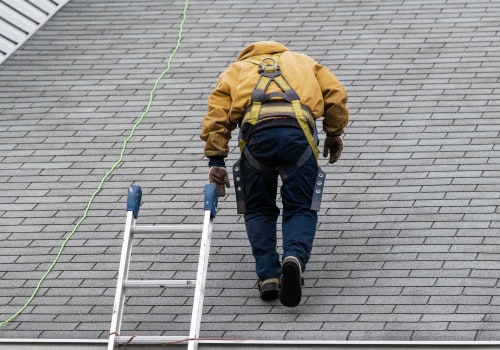
As winter approaches, roof inspections become a crucial step in ensuring the longevity and safety of your home. Regular inspections can help identify potential issues that may worsen during the harsh winter months. Homeowners should thoroughly examine their roofs for various signs of wear and damage. Begin by checking for missing or damaged shingles. Shingles play a vital role in protecting your roof from water infiltration, and any gaps can lead to leaks when snow melts or rain falls.Look for curling, cracking, or buckling shingles, as these are indicators that they may need replacement. Another aspect to inspect is the flashing around chimneys, vents, and skylights. Damaged or loose flashing can allow water to seep into the roof structure, leading to significant damage over time. Ensure that all flashing is securely in place and free from rust or corrosion. Additionally, pay attention to the gutters and downspouts. Clogged gutters can cause water to back up onto the roof, increasing the risk of ice dams forming during winter.
Clear any debris and ensure that gutters are securely attached to prevent ice buildup. Finally, check for signs of moss or algae growth on your roof. While these may seem like aesthetic issues, they can trap moisture and lead to decay if not addressed. If you notice any growth, consider cleaning your roof or consulting a professional for safe removal. By conducting thorough roof inspections and addressing these potential problems early, homeowners can protect their homes from the harsh effects of winter weather.
Finding Reliable Contractors
When it comes to preparing your roof for winter weather, enlisting the help of a reliable roofing contractor is crucial. A professional can ensure that your roof is in optimal condition to withstand harsh winter conditions. To find trustworthy roofing contractors, start by asking for recommendations from friends, family, or neighbors who have had similar work done.Online reviews and ratings can also provide insight into a contractor’s reliability and quality of work. Once you have a list of potential contractors, consider the following questions to gauge their trustworthiness:
- Are you licensed and insured? - A reputable contractor should have the necessary licenses and insurance to protect both their workers and your property.
- How long have you been in business? - Experience in the industry often correlates with a contractor's ability to handle various roofing challenges effectively.
- Can you provide references? - Ask for references from past clients to assess their satisfaction with the contractor's work.
- What is your approach to inspections? - A reliable contractor should conduct a thorough inspection before providing a quote or starting any work.
- What warranties do you offer? - Understanding the warranty on both materials and workmanship can give you peace of mind regarding the longevity of the repairs.
Understanding Roofing Materials
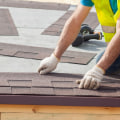
When preparing your roof for winter weather, it is crucial to understand how different roofing materials perform in cold conditions. Each type of material has its advantages and disadvantages, particularly when it comes to withstanding snow, ice, and harsh temperatures.Asphalt Shingles
are one of the most common roofing materials due to their affordability and ease of installation. They can handle light to moderate snow but may be prone to curling or cracking under extreme cold. Regular maintenance is essential to prolong their lifespan in winter.Metal Roofing
is highly durable and resistant to ice and snow accumulation.Its smooth surface allows snow to slide off easily, reducing the risk of heavy build-up. However, metal roofs can be noisy during winter storms, and proper insulation is necessary to prevent heat loss from the home.
Tile Roofing
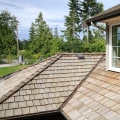
, often made from clay or concrete, provides excellent insulation and can withstand harsh weather conditions. However, tiles can be heavy and may crack under the weight of accumulated snow or ice. Proper installation and support are critical to ensure they remain intact throughout the winter months.Wood Shingles
offer a natural aesthetic but require more maintenance in winter.They can absorb moisture, leading to potential rot if not properly sealed. Additionally, heavy snow can cause wood shingles to warp or break.
Rubber Roofing
is another option that provides excellent waterproofing and durability. It can flex and withstand freezing temperatures without cracking. However, its lifespan may be shorter than other materials if exposed to UV light. Understanding the properties of these roofing materials will help homeowners make informed decisions when preparing their roofs for winter weather.Regular inspections and maintenance tailored to the specific materials used can significantly enhance the roof's performance against winter elements.
Repair vs. Replacement
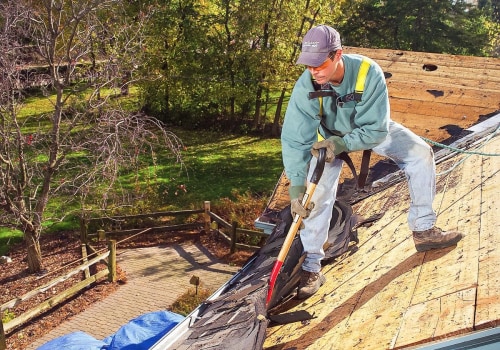
When it comes to preparing your roof for winter weather, one of the most critical decisions homeowners face is whether to repair or replace their roof. Understanding the differences between these two options can save you both time and money. If your roof is showing signs of wear, such as missing shingles, leaks, or extensive granule loss, it's essential to assess the extent of the damage. In many cases, minor issues can be effectively resolved through repairs.For example, if you have a small leak, a quick patch may suffice, preventing further damage and prolonging the life of your roof. However, when the damage is widespread, or if your roof is nearing the end of its expected lifespan, replacement may be the more practical choice. Replacing a roof can seem like a significant investment upfront, but it often pays off in the long run by improving energy efficiency and preventing future costly repairs. Cost considerations also play a vital role in this decision. If repairs are consistently needed and becoming increasingly expensive, it might be more economical to invest in a new roof. Additionally, consider the materials; some roofing materials have longer lifespans than others, which can influence your choice between repair and replacement.Ultimately, consulting with a professional roofing contractor can provide valuable insights tailored to your specific situation.
They can help you weigh the pros and cons based on the condition of your roof and local weather patterns, ensuring that your home remains safe and secure during the harsh winter months.
Cleaning Gutters and Downspouts
Cleaning your gutters and downspouts is a crucial step in preparing your roof for winter weather. Clogged gutters can cause water to back up, leading to ice dams and potential damage to your roof and home. Follow these step-by-step instructions to clean your gutters effectively:Step 1: Gather Your Supplies - Before you start, make sure you have all necessary tools. You will need a sturdy ladder, gloves, a trowel or scoop, a bucket for debris, and a garden hose.Step 2: Set Up Your Ladder
- Position your ladder on a stable surface and ensure it is secure.Always have someone nearby to assist you if possible.
Step 3: Remove Debris
- Start at the downspout and use your trowel or scoop to remove leaves, twigs, and other debris from the gutters. Place the debris in your bucket for easy disposal.Step 4: Flush with Water
- Once the bulk of the debris is removed, use your garden hose to flush out the gutters. This will help remove any smaller particles and ensure that the water flows freely toward the downspout.Step 5: Check Downspouts
- Make sure that the downspouts are clear by running water through them as well. If you notice any blockages, use a plumber's snake or a similar tool to dislodge the clog.Step 6: Inspect for Damage
- While cleaning, take note of any signs of damage to your gutters or roof.Look for rust, holes, or loose connections that may need repair before winter.
Step 7: Final Check
- After cleaning, ensure that all sections are securely attached and that water flows properly away from your home's foundation. By following these steps to clean your gutters and downspouts, you can help protect your roof and home from winter weather damage. In conclusion, preparing your roof for winter weather is essential to ensure the safety and longevity of your home. Throughout this article, we have highlighted the significance of conducting roof inspections to identify potential issues before they escalate into costly repairs. Understanding your roofing materials and their specific maintenance needs will also play a crucial role in protecting your investment. Moreover, keeping your gutters and downspouts clean is vital for proper drainage, while adequate insulation and ventilation can help prevent ice dams and other winter-related problems. Homeowners must weigh the options between repair and replacement when necessary, ensuring that they choose the best solution for their roofing needs. Finally, finding reliable contractors is key to receiving quality service and advice.We encourage all homeowners to take proactive measures now by scheduling inspections and performing essential maintenance tasks before winter sets in. By doing so, you will safeguard your home against the harsh winter elements and avoid expensive repairs down the line.