Keeping your roof in optimal condition is crucial for maintaining the overall integrity of your home. One often overlooked aspect of roof care is the importance of removing debris from the roof surface. Whether it’s leaves, branches, or other types of litter, accumulated debris can lead to a myriad of problems if left unchecked. Not only can it trap moisture and promote mold growth, but it can also compromise your roof's structural integrity over time. In this article, we will explore effective techniques for clearing roof debris, ensuring your roof remains clean and functional.
From understanding the best tools for the job to learning safe practices, we aim to equip you with the knowledge needed to tackle this essential maintenance task. By prioritizing roof cleanliness, you not only enhance the aesthetic appeal of your home but also prolong the life of your roofing materials. So, if you're ready to learn how to keep your roof free from unsightly clutter and potential damage, read on as we dive into practical tips and strategies that will make roof maintenance a breeze!Maintaining a clean roof is essential for the longevity and functionality of your home. From understanding the best tools for the job to learning safe practices, we aim to equip you with the knowledge needed to tackle this essential maintenance task. By prioritizing roof cleanliness, you not only enhance the aesthetic appeal of your home but also prolong the life of your roofing materials. So, if you're ready to learn how to keep your roof free from unsightly clutter and potential damage, read on as we dive into practical tips and strategies that will make roof maintenance a breeze!Maintaining a clean roof is essential for the longevity and functionality of your home.
Removing debris from the roof surface
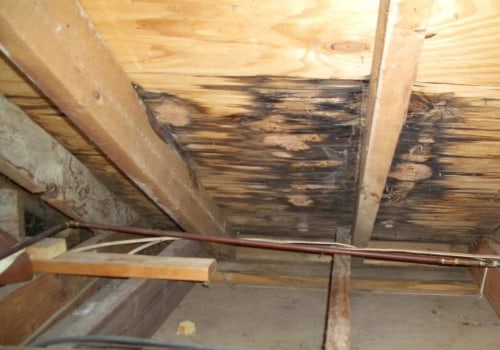
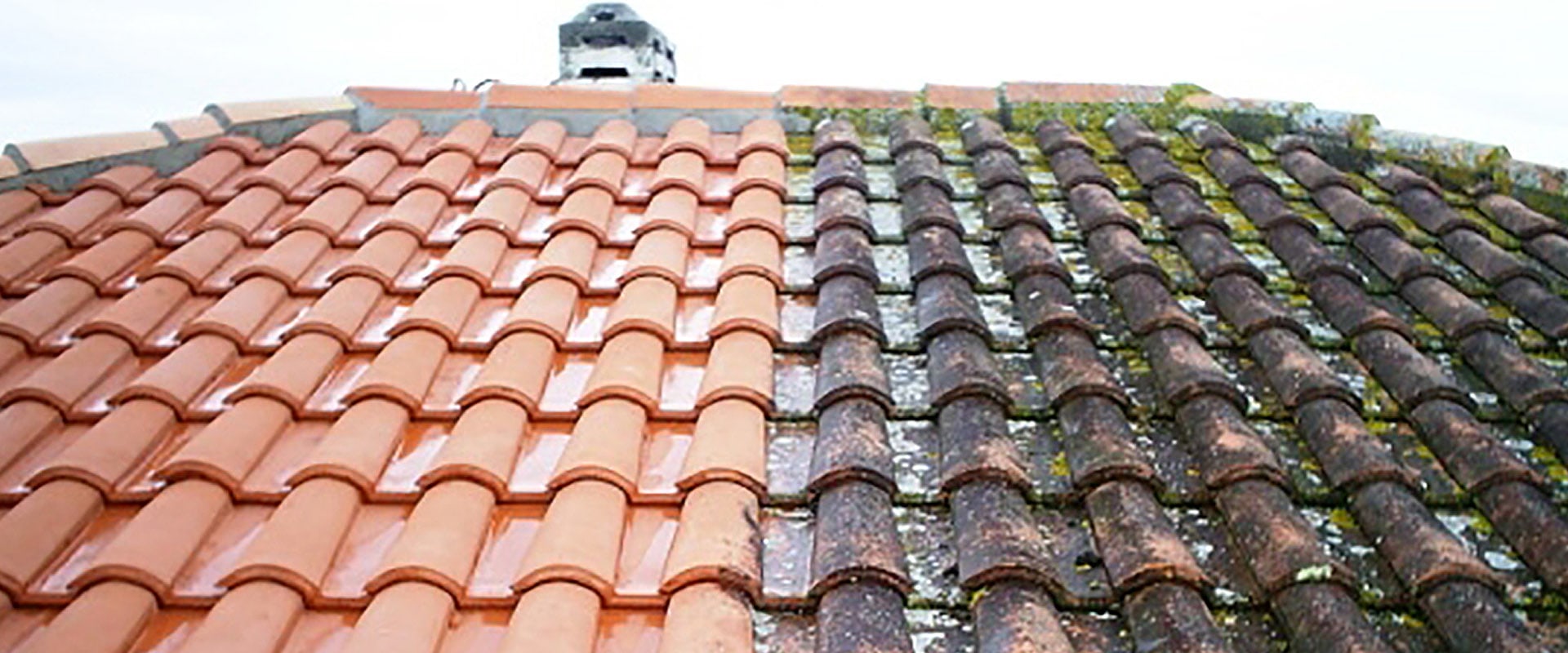
is a crucial step in roof maintenance that can prevent damage over time, improve drainage, and reduce the risk of pest infestations. Regular cleaning not only prolongs the lifespan of your roof but also helps you avoid costly repairs down the line. The first step in safely removing debris from the roof surface is to assess the type of debris present.Common types include leaves, branches, moss, and dirt. Each of these can have different impacts on various roofing materials. For instance, leaves can trap moisture against asphalt shingles, leading to mold growth and rot. Branches can puncture or displace tiles, while moss can degrade metal roofs by holding moisture against the surface, leading to corrosion. Once you've identified the types of debris, it’s important to take safety precautions before you start cleaning.
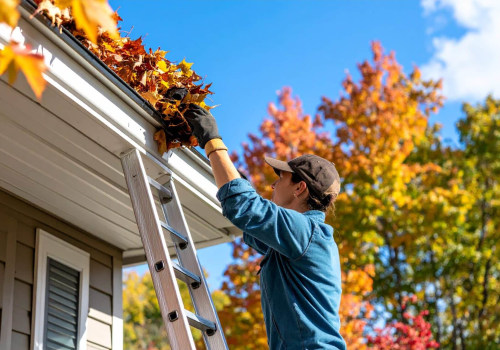
Using ladders correctly is vital; always ensure that your ladder is on stable ground and extend it at least three feet above the edge of the roof for added support. Wearing appropriate gear such as gloves, non-slip shoes, and a helmet is also recommended to protect yourself from falls and injuries. When it comes to cleaning, there are generally two methods: manual removal and using pressure washers. Manual removal involves using tools such as a roof rake or a broom to gently sweep away debris. This method is often preferred for delicate roofing materials to prevent damage.
On the other hand, pressure washers can effectively remove stubborn grime but require careful handling to avoid damaging shingles or tiles. Homeowners might face specific scenarios that necessitate roof cleaning, such as after a storm or during seasonal changes like autumn when leaves are abundant. After a storm, branches and debris can accumulate quickly, obstructing drainage systems and posing risks of water damage. During fall, regular checks are essential to prevent leaf buildup which can lead to mold growth. There is often debate around whether DIY cleaning is sufficient or if hiring professionals is necessary. While many homeowners may feel confident tackling small jobs themselves, there are instances when it's best to seek help.
If your roof is particularly steep or high, or if you’re dealing with extensive damage or debris that could pose safety risks, hiring a professional may be the safest option. Professionals have the right equipment and expertise to handle these tasks efficiently and safely. In conclusion, removing debris from the roof surface is an important aspect of home maintenance that should not be overlooked. By understanding the types of debris, employing safety measures, choosing appropriate cleaning methods, and knowing when to call in professionals, homeowners can ensure their roofs remain in good condition for years to come.
When to Call a Professional
While many homeowners can manage basic roof cleaning tasks, there are specific scenarios where hiring a professional for removing debris from the roof surface is advisable. If you find yourself dealing with a steep or high roof, it is often safer to let trained professionals handle the cleaning.They have the necessary equipment and experience to navigate challenging heights without risking injury. Another scenario that warrants professional assistance is when the debris includes larger materials like fallen branches or heavy leaves. These can be cumbersome and pose a risk of damage to your roof if not handled correctly. Professionals are equipped to deal with such situations safely and effectively. If you notice signs of water pooling on your roof or clogged gutters due to debris buildup, it’s essential to act quickly. A professional can assess the situation more thoroughly and implement solutions that prevent further damage, such as restoring proper drainage. Additionally, if you're unsure about the condition of your roof or suspect underlying issues like mold or rot due to accumulated debris, it’s best to consult a professional.
They can provide a comprehensive inspection and ensure your roof remains in good health. Finally, if the cleaning process requires specialized tools or techniques, such as pressure washing or chemical treatments, it’s advisable to hire a professional. This ensures that the cleaning is done correctly without risking damage to your roof.
Understanding Roof Debris
When it comes to removing debris from the roof surface, understanding the various types of debris that can accumulate is essential. Roofs can collect a wide range of materials, each with its own set of potential effects on roofing materials. One of the most common types of debris is leaves. As they accumulate, leaves can trap moisture against the roof, leading to mold and mildew growth.This prolonged exposure to moisture can deteriorate roofing materials over time, potentially causing leaks and structural damage. Another prevalent issue is twigs and branches, especially after storms. These not only add weight to the roof but can also scrape and damage shingles. If left unchecked, they may lead to more significant issues, including punctures in roofing membranes.
Granules
from asphalt shingles are another form of debris. These granules protect the shingles from UV rays, and when they wash off into gutters or accumulate on the roof, it indicates that the shingles are deteriorating.This loss can shorten the lifespan of the roof significantly. Additionally, pine needles can create a thick mat on roofs, which retains moisture and promotes decay. Like leaves, they can obstruct drainage systems, leading to water pooling and increased risk of leaks. Lastly, man-made debris, such as trash or construction remnants, can also pose risks. These items can trap water and cause damage to roofing materials, as well as create hazards for maintenance personnel. Understanding these different types of debris is crucial for homeowners in effectively maintaining their roofs. Regular inspections and cleanings help mitigate these risks, ensuring the longevity and integrity of the roofing system.
Safety First: Precautions for Roof Cleaning
Before embarking on the task of removing debris from the roof surface, it is crucial to prioritize safety.Roof cleaning can be a hazardous activity, and taking proper precautions is essential to avoid accidents. Here are some important safety measures to consider:1.
Assess the Roof Condition:
Before you start cleaning, inspect the roof for any damage. Look for loose shingles, soft spots, or signs of structural issues. If the roof is in poor condition, it may be best to hire a professional rather than attempting to clean it yourself.2.Wear Appropriate Gear:
Equip yourself with suitable safety gear.This includes a hard hat to protect your head from falling debris, non-slip shoes to ensure good traction, and gloves to protect your hands from sharp objects. Additionally, consider using goggles to shield your eyes from dust and debris.3.
Use the Right Equipment:
Utilize tools that are designed for roof cleaning, such as a sturdy ladder that extends beyond the roofline, a roof rake for removing leaves and debris, and a pressure washer if necessary. Ensure all equipment is in good working condition before use.4.Have a Partner:
It’s always safer to work with someone else when cleaning a roof. Having a partner allows you to have help in case of an emergency and provides an extra set of eyes to monitor safety.5.Check Weather Conditions:
Avoid cleaning your roof during inclement weather, such as rain or high winds.Wet surfaces can be slippery, and strong winds can make it difficult to maintain balance on the roof.6.
Secure Your Ladder:
Ensure that your ladder is on stable ground and positioned at the correct angle. Use ladder stabilizers if necessary, and never overreach while on the ladder; it’s safer to climb down and reposition the ladder as needed. By following these safety precautions, you can significantly reduce the risk of accidents while removing debris from the roof surface. Taking the time to prepare adequately will help ensure a successful and safe roof cleaning experience.Tools and Techniques for Effective Cleaning
When it comes to removing debris from the roof surface, having the right tools and employing effective techniques is crucial for ensuring safety and efficiency. Here are some essential tools and methods that will help you maintain a clean roof.Essential Tools:
- Roof Rake: Ideal for removing snow and leaves, a roof rake allows you to pull debris off the roof safely from the ground.
- Leaf Blower: A powerful leaf blower can quickly clear leaves and small debris from your roof, making it a time-efficient choice.
- Soft-Bristled Brush: For gentle cleaning, a soft-bristled brush can be used to scrub away dirt and grime without damaging roofing materials.
- Pressure Washer: While effective for tough stains, be cautious with pressure washers as they can damage shingles if used improperly.
- Ladder: A sturdy ladder is essential for accessing hard-to-reach areas safely.
- Safety Gear: Always wear gloves, goggles, and a harness if working at height to protect yourself from accidents.
- Regular Inspections: Conduct regular checks to identify debris accumulation, especially after storms or high winds.
- Starting from the Highest Point: Begin cleaning from the highest point of the roof and work downwards to ensure debris flows off the surface rather than being pushed back onto cleaned areas.
- Using Gravity to Your Advantage: When using a roof rake or leaf blower, position yourself so that gravity helps in moving debris toward the edge of the roof.
- Clearing Gutters: Don’t forget to clear gutters regularly; clogged gutters can lead to water pooling on the roof, causing further damage.
Regular maintenance not only protects your investment but also enhances the aesthetic appeal of your home. By keeping your roof clear of debris, you reduce the risk of water damage, pest infestations, and other costly repairs that can arise from neglect. We encourage you to establish a cleaning schedule tailored to your specific environment and roof type. Whether it’s seasonal cleanings or after significant weather events, being proactive in your approach will pay off in the long run. Take a moment to assess your roof today and consider your own maintenance needs. If you feel uncertain about performing these tasks yourself, don’t hesitate to reach out to professionals who can help ensure that your roof remains in top condition.