When it comes to maintaining the integrity of your home, roof repair is one of the most crucial aspects to consider. A well-maintained roof not only protects your home from the elements but also enhances its overall value and curb appeal. For those who prefer a hands-on approach, DIY roof repair can be a rewarding experience. However, before you climb that ladder and start inspecting your shingles, it's essential to arm yourself with the right knowledge and tools.
This article delves into the essential tools for DIY roof repair, ensuring you have everything you need at your fingertips. Understanding which tools are necessary can make all the difference between a successful repair job and a frustrating experience. Whether you are dealing with minor leaks or shingle replacements, having the appropriate tools can simplify the process and enhance your safety. In this guide, we will explore a comprehensive list of tools that will not only aid in your immediate repairs but also prepare you for future maintenance tasks. So, if you're ready to tackle that roof project and boost your home’s longevity, read on to discover the indispensable tools that will empower you to take charge of your roof repair journey!When it comes to DIY roof repair, having the right tools is essential for ensuring a safe, efficient, and successful project. The right equipment not only enhances your performance but also minimizes risks associated with working at heights.
This article will provide a comprehensive list of tools categorized by their purpose, explain their importance, and offer tips for proper usage and maintenance. Starting with safety equipment, it is crucial to protect yourself while performing roof repairs. A sturdy safety harness is a must-have as it secures you to the roof, preventing falls. When using ladders, ladder stabilizers can help keep the ladder steady, reducing the risk of accidents. Additionally, non-slip shoes with good grip are vital for maintaining balance on sloped surfaces.
Always wear safety goggles to protect your eyes from debris and gloves to safeguard your hands from sharp materials. The next category is roofing materials handling tools, which are essential for transporting and managing roofing materials safely. A reliable
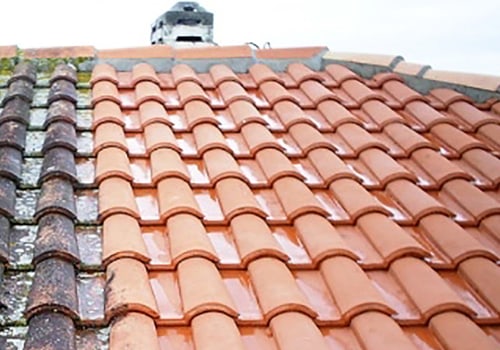
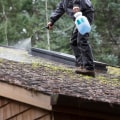
A shingle scraper is necessary for removing old shingles before applying new ones, making way for a solid foundation. For precise measurements and cuts, a measuring tape and chalk line are indispensable; they help ensure that everything fits perfectly and maintains alignment. Regular maintenance tools are also critical in the realm of DIY roof repair. A broom or leaf blower can keep your roof clear of debris that may cause damage over time. A pressure washer can be used for cleaning purposes, helping to remove moss or algae that can affect the integrity of your roof.
Additionally, having a good set of hand tools, such as pliers and screwdrivers, is beneficial for various minor repairs. The cost implications of acquiring these tools can vary significantly. While purchasing high-quality tools may seem like a substantial investment initially, consider that they can last for years if properly maintained, potentially saving you money in the long run. However, if you prefer not to invest heavily upfront or if you have limited space for storage, renting tools from local hardware stores or home improvement centers can be a smart alternative. Many stores offer competitive rental rates for tools like nailers or pressure washers, making them accessible without the need for purchase. For those who may not want to invest in every tool listed, consider forming a cooperative with neighbors or friends who might be interested in DIY roof repairs as well.
Sharing tools among each other can reduce individual costs while fostering community ties. In conclusion, having the right tools for DIY roof repair cannot be overstated. Safety equipment ensures that your repairs are done without unnecessary risk, while handling tools streamline the process of managing materials effectively. Installation tools enhance efficiency and precision during the repair process, and maintenance tools help keep your roof in top condition over time. By weighing the options of purchasing versus renting and considering alternative solutions like tool-sharing, you can be well-prepared to tackle any roofing project that comes your way.
Cost Considerations: Buying vs.
Renting ToolsWhen embarking on a DIY roof repair project, one crucial decision you will face is whether to buy or rent the necessary tools. Each option has its financial implications that can significantly impact your overall budget. Buying tools for DIY roof repair may require a higher upfront investment, especially for specialized equipment such as roofing nailers, ladders, and safety gear. However, owning these tools can be advantageous in the long run. If you anticipate needing them for future repairs or maintenance projects, the initial costs can be justified by the savings on labor and rental fees over time. On the other hand, renting tools can be a cost-effective solution for those who plan to complete only a single repair or who may not have ongoing need for the equipment.
Rental rates vary depending on the tool and duration of use, but they often provide access to high-quality, professional-grade tools without the commitment of ownership. It's important to evaluate how often you might undertake roof repairs or similar home improvement projects before deciding. If you're likely to use a tool multiple times, buying could save you money. Conversely, if this is a one-off situation, renting might alleviate the financial burden. In summary, weigh the pros and cons of each option by considering your budget, frequency of use, and potential future projects. This will help ensure you make an informed decision that aligns with your DIY roof repair goals.
Safety First: Essential Personal Protective Equipment
When embarking on a DIY roof repair project, prioritizing safety is paramount.Having the right personal protective equipment (PPE) can significantly reduce the risk of accidents and injuries. Below, we discuss the essential safety gear that every DIY enthusiast should consider when working on their roof.
Helmets
are a crucial piece of safety equipment for anyone working at heights. They protect against falling debris and accidental bumps to the head, which can occur during roof repair tasks. A sturdy helmet ensures that you have a layer of protection against potential hazards, allowing you to focus on the job at hand without worrying about head injuries.Gloves
are another essential item for DIY roof repair.They provide grip and protect your hands from sharp edges, nails, and other hazardous materials often found on roofs. Additionally, gloves can help prevent blisters and cuts, ensuring that your hands remain safe while you handle tools and materials. Lastly, using harnesses is critical for safety when working on steep or high roofs. A properly fitted harness can prevent falls by securely anchoring you to a stable point. Whether you're replacing shingles or inspecting your roof, wearing a harness can give you peace of mind knowing that you are protected from accidental slips. By investing in these essential safety gear items, you can enhance your protection during DIY roof repair projects.
Remember, safety should never be compromised, and being well-prepared with the right equipment will lead to a more efficient and enjoyable home improvement experience.
Installation Tools You Can't Do Without
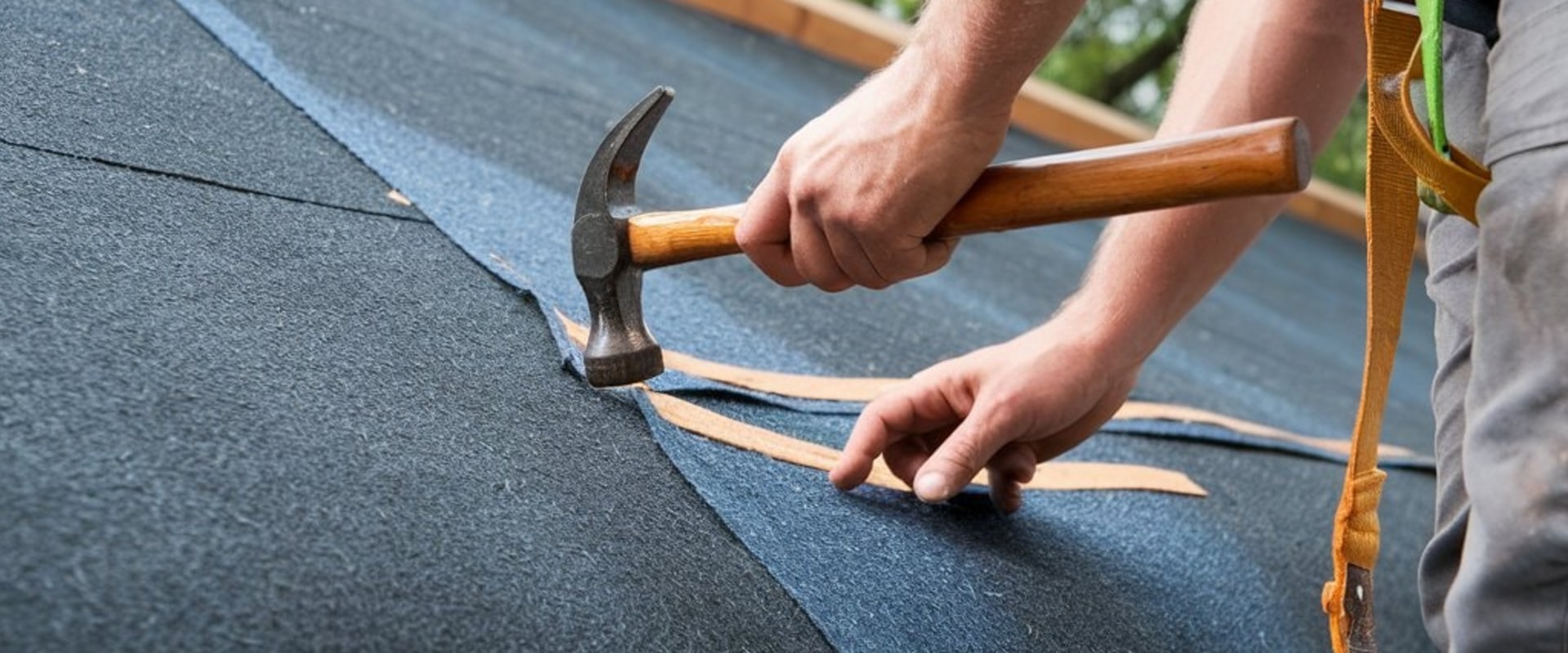
When it comes to DIY roof repair, having the right tools is essential for achieving professional results. Here are some installation tools that you simply can’t do without:Nail Guns are a game-changer for roofing projects. They allow for quick and efficient fastening of shingles, making the installation process much faster than using traditional hammers. Nail guns reduce the risk of repetitive strain injuries and help ensure that nails are driven in at the correct angle and depth.Hammers
, while sometimes overshadowed by nail guns, are still crucial for certain tasks.A roofing hammer, also known as a roofing hatchet, combines a hammer and a hatchet in one tool, making it ideal for removing old shingles and driving in nails.
Roofing Knives
are another indispensable tool. These heavy-duty knives are designed for cutting roofing materials like shingles, felt, and underlayment. The sharp blades help ensure clean cuts, which is essential for proper installation and sealing.Pry Bars
, or crowbars, play a vital role in roof repair as well. They are used for removing old roofing materials or lifting shingles to access underlying structures.A good pry bar can make the removal process easier and prevent damage to surrounding materials. Equipping yourself with these installation tools not only enhances your efficiency but also contributes to a safer working environment on your roof.
Maintenance Tools for Long-lasting Repairs
After completing a DIY roof repair, it is crucial to ensure that the repair lasts as long as possible. This is where maintenance tools come into play. Having the right tools not only helps in addressing immediate issues but also in performing regular maintenance that can prevent future problems. One essential tool for maintaining your roof is a caulking gun. This tool allows you to apply roofing caulk effectively, sealing any gaps or cracks that could lead to leaks.A good caulking gun provides control and precision, ensuring that the caulk is applied evenly and thoroughly. Alongside the caulking gun, sealant applicators are also important for long-lasting repairs. These applicators come in various designs, including rollers and brushes, and are ideal for applying sealants over larger areas. Using a sealant after your initial repair can provide an additional layer of protection against moisture and harsh weather conditions. Additionally, a roofing brush is a valuable tool for maintenance. This brush is specifically designed to help keep your roof clean by removing debris, leaves, and moss that can accumulate and cause damage over time.
Regular cleaning of your roof not only extends the life of your repairs but also enhances the overall appearance of your home. In conclusion, investing in these maintenance tools—caulking guns, sealant applicators, and roofing brushes—is essential for ensuring that your DIY roof repairs remain effective for years to come. By being proactive with maintenance, you can alleviate stress and protect your home from potential water damage.
Tools for Handling Roofing Materials
When embarking on a DIY roof repair project, having the right tools for handling roofing materials is crucial. Proper tools not only enhance efficiency but also ensure safety during the repair process. Some of the essential tools in this category include ladders, scaffolding, and material hoists.Ladders
are indispensable for reaching high areas of the roof.It is important to choose a sturdy and extendable ladder that can safely support your weight and allow you to access different sections of the roof without straining. Always ensure that your ladder is placed on stable ground and that it extends at least three feet above the roofline for safe access.
Scaffolding
provides a stable platform for working on roofs, particularly for larger projects or repairs that require more extensive work. By using scaffolding, you can move around freely while minimizing the risk of falls. It also allows for easier transport of materials and tools directly to your work area, making your project more efficient.Material hoists
are another valuable tool when handling heavy roofing materials such as shingles or tiles.These devices allow you to lift materials to the roof safely and easily, reducing the strain on your body and minimizing the risk of accidents. Using a material hoist can significantly speed up the process of loading materials, ensuring you have everything you need at hand without multiple trips up and down the ladder. By investing in these essential tools for handling roofing materials, you can manage your DIY roof repair project more effectively, ensuring safety and efficiency throughout the process. Proper equipment not only simplifies material transport but also contributes to a successful repair outcome.
Installation Tools You Can't Do Without
When it comes to DIY roof repair, having the right tools is essential for ensuring a successful project. Among the installation tools you can't do without, there are several that stand out for their functionality and efficiency. First on the list is the nail gun.This power tool significantly speeds up the process of securing roofing materials, such as shingles or tiles. Unlike a traditional hammer, a nail gun allows for rapid nailing, which not only saves time but also reduces the physical strain associated with repetitive hammering. Next, the trusty hammer remains a staple in any DIY toolkit. While a nail gun is highly efficient, a hammer is invaluable for tasks that require precision or when working in tight spaces where a nail gun may not fit. It’s also essential for removing old roofing materials during repairs. The roofing knife is another crucial tool that should not be overlooked.
This specialized knife is designed for cutting roofing materials, such as shingles or underlayment. Its sharp blade and ergonomic handle make it easy to achieve clean cuts, which are vital for proper installation and sealing. Lastly, the pry bar, also known as a crowbar, is indispensable for removing old shingles and other materials. It provides leverage and control, allowing you to lift and pry off roofing components without damaging the underlying structure. This tool can also assist in repositioning materials during installation. In conclusion, equipping yourself with these essential installation tools—the nail gun, hammer, roofing knife, and pry bar—will enhance your efficiency and safety during DIY roof repairs.
Being well-prepared with the right equipment can alleviate stress and lead to better results in your home improvement projects.
Installation Tools You Can't Do Without
When it comes to DIY roof repair, having the right installation tools is crucial for a successful outcome. Several essential tools can significantly enhance the efficiency and safety of your roofing projects. Below, we detail some of the most important tools that you can't do without during installation or repair processes.Nail Guns
are among the most valuable tools for any roofing project. They allow for fast and precise nailing, reducing the time spent on securing shingles or other roofing materials.Unlike traditional hammers, nail guns drive nails quickly and with consistent depth, ensuring a tight fit that can withstand weather elements.
Hammers
remain a classic choice for many DIY enthusiasts. While nail guns offer speed, a hammer is indispensable for tasks that require more finesse or control, such as adjusting shingles or removing old roofing materials. A good roofing hammer, with its flat head and a built-in claw for prying up nails, can be particularly helpful in various situations.Roofing Knives
are another essential tool for any roof repair job. These specialized knives are designed to cut through roofing materials like shingles and underlayment efficiently.The sharp blades can easily slice through tough materials, making it easier to shape pieces and ensure a clean fit during installation. Finally, Pry Bars are invaluable when it comes to removing old roofing materials or making adjustments during installation. These sturdy tools provide leverage to lift and remove nails or shingles without damaging the surrounding areas. Having a pry bar on hand can save you time and effort when tackling stubborn sections of your roof. In summary, equipping yourself with these essential installation tools—nail guns, hammers, roofing knives, and pry bars—will not only make your DIY roof repair more efficient but also contribute to achieving better results. In conclusion, having the right tools for DIY roof repairs is crucial for ensuring safety, efficiency, and effective results. Throughout this article, we discussed the importance of investing in personal protective equipment, the essential tools needed for handling roofing materials, and the specific installation tools that are indispensable for any roofing project.
Additionally, we highlighted maintenance tools that contribute to long-lasting repairs and considered the financial aspects of buying versus renting tools. As you assess your own tool needs based on your specific roofing projects, remember that being well-prepared can significantly reduce stress during these home improvement tasks. Continuous learning about roof maintenance will equip you with the knowledge needed to tackle future challenges effectively. Ultimately, investing in quality tools not only benefits your current repairs but also sets you up for success in all your future DIY endeavors.