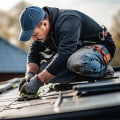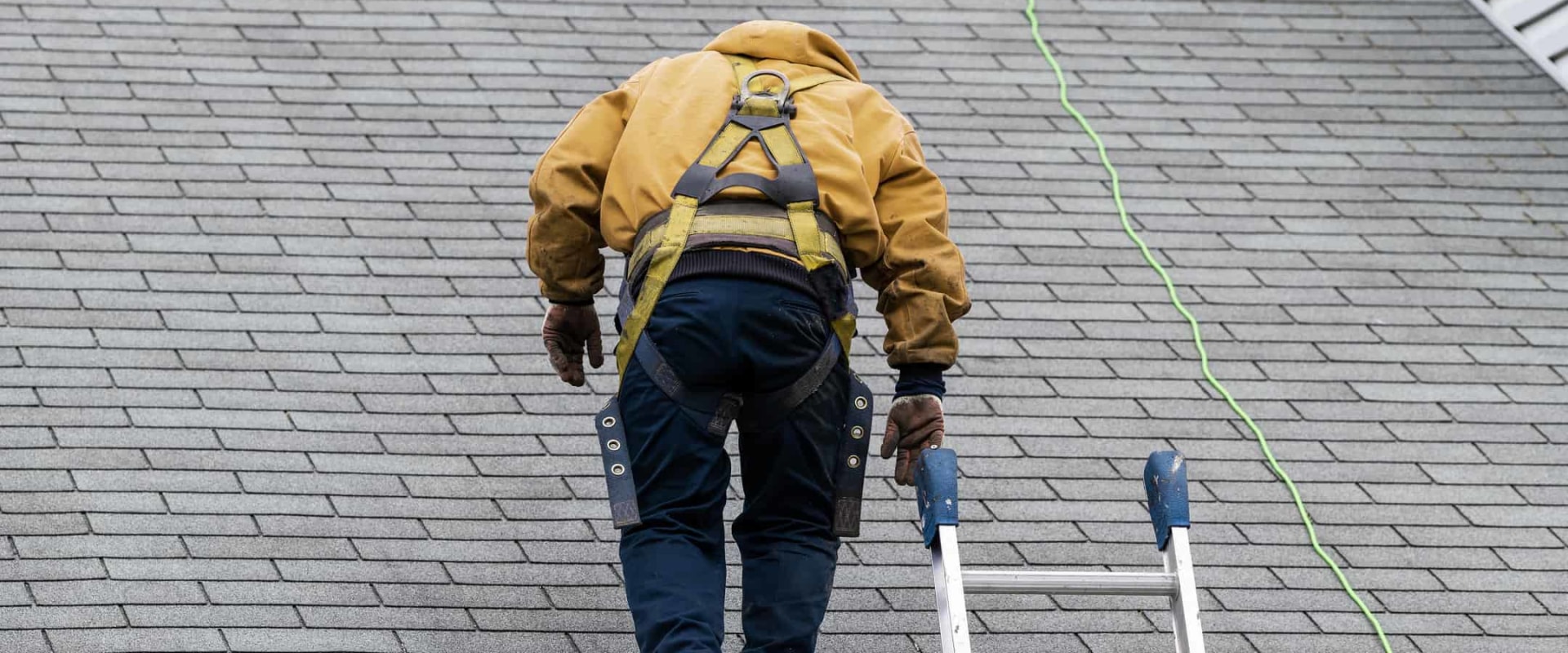
Owning a home is one of the most significant investments you will ever make, and protecting that investment requires diligence and care. One of the most crucial aspects of home maintenance is ensuring the integrity of your roof. Using a roof inspection checklistUsing a roof inspection checklist can be a game changer in identifying potential issues before they escalate into costly repairs. Whether you’re preparing for seasonal changes or simply ensuring your home remains safe and sound, having a structured approach to roof inspections is essential. Many homeowners underestimate the importance of regular roof inspections, often waiting until a problem becomes visible or, worse, until leaks occur.
A proactive stance on roof maintenance not only prolongs the lifespan of your roofing materials but also enhances the overall safety and value of your home. With our A proactive stance on roof maintenance not only prolongs the lifespan of your roofing materials but also enhances the overall safety and value of your home. With our Essential Roof Inspection Checklist for Homeowners, you'll gain peace of mind knowing that you are taking the right steps to protect your dwelling from the elements. This comprehensive checklist is designed to guide you through the vital areas of your roof that need attention, whether you’re a seasoned DIY enthusiast or a first-time homeowner. By understanding what to look for during your inspections, you’ll be better equipped to spot potential issues early on and address them promptly. Read on to discover how to keep your roof in tip-top shape, ensuring that it continues to safeguard your home for years to come. Regular roof inspections are crucial for maintaining a home’s integrity and preventing costly repairs.
A well-structured roof inspection checklist can simplify the inspection process and ensure that homeowners do not overlook critical areas. The checklist should include various components that cover different aspects of the roof, each of which plays a significant role in determining the roof's overall condition. The first component of a roof inspection checklist is to assess the roof’s structure. This involves checking for sagging, warping, or any signs of structural damage that could compromise the roof’s stability. Homeowners should look closely at the rafters and trusses, ensuring they are intact and without any visible cracks or deterioration.
Identifying structural issues early can prevent more extensive damage down the line. The next section of the checklist focuses on checking for leaks. Homeowners should inspect the attic for any signs of water intrusion, such as dark stains on the wood or mold growth. It is essential to check around chimneys, vents, and other roof penetrations, as these are common areas where leaks may occur. Regularly assessing these points helps in catching issues before they escalate into significant problems. Another critical area to inspect is the gutters and downspouts.
Clogged or damaged gutters can lead to water pooling on the roof, which may cause leaks or structural damage over time. Homeowners should ensure that gutters are free of debris and that downspouts direct water away from the foundation. This part of the roof inspection checklist is vital for preventing water damage and maintaining proper drainage. Evaluating ventilation systems is also an essential aspect of a comprehensive roof inspection. Proper ventilation helps regulate temperature and moisture levels within the attic, preventing issues like ice dams in winter or mold growth during humid months.
Homeowners should check that vents are not blocked and that fans are functioning correctly. Inadequate ventilation can lead to premature aging of roofing materials and increased energy costs. Tile roofs need careful examination of individual tiles for cracks or displacement. Each material has unique characteristics that dictate how it ages and what signs of damage to look for, making it necessary to adapt the inspection process accordingly. Minor repairs may be relatively inexpensive but neglecting them can lead to more significant issues requiring full roof replacement, which can be quite costly. Homeowners should weigh these options carefully when considering their next steps after an inspection. By adhering to this checklist and remaining vigilant about roof conditions, homeowners can protect their investments and ensure their homes remain safe and sound for years to come. Ensure that the flashing is intact and properly sealed. If it is damaged or rusted, it may need to be replaced to prevent leaks. The gutters are another critical area to inspect. Ensure they are clear of debris and functioning correctly. Clogged gutters can cause water to back up and damage both the roof and the siding of your home. Lastly, don’t forget to examine the underlayment. This layer provides additional protection against moisture. Check for any signs of wear or damage, as a compromised underlayment can lead to serious issues if not addressed promptly. By thoroughly inspecting these key areas, homeowners can catch potential issues early and maintain the overall health of their roof.Key Areas to Inspect
When conducting a roof inspection, there are several key areas that homeowners must focus on to ensure the integrity of their roof. Neglecting any of these areas can lead to significant problems down the line. First, check the shingles. Look for any signs of curling, cracking, or missing shingles. These issues can allow water to penetrate the roof, leading to leaks and water damage inside the home. Next, pay attention to the flashing, which is the metal material installed around chimneys, vents, and skylights. Cost Considerations
When it comes to maintaining your roof, understanding the cost considerations is crucial for homeowners. Regular inspections can help identify minor issues before they escalate into significant problems that require expensive repairs or even a full roof replacement. The costs associated with roof repairs versus replacements can vary widely depending on several factors, including the type of roofing material, the extent of damage, and local labor rates. On average, minor roof repairs can range from $150 to $1,000, while larger repairs or partial replacements may cost between $1,000 and $3,000.
In contrast, a complete roof replacement can set you back anywhere from $5,000 to $20,000 or more, depending on the size and complexity of your roof. Therefore, addressing issues early through regular inspections can save homeowners a significant amount of money in the long run. To effectively budget for roof maintenance and unexpected repairs, it’s advisable to set aside a portion of your home maintenance budget specifically for roofing. A good rule of thumb is to allocate 1% of your home’s value annually for roof-related expenses. Additionally, consider obtaining quotes from multiple contractors to ensure you’re getting a fair price for both repairs and replacements. Ultimately, investing in regular roof inspections and adhering to a well-structured checklist can help mitigate costs associated with roof repairs and replacements, ensuring your home remains safe and sound.
Finding Qualified Contractors
When it comes to using a roof inspection checklist, having a qualified professional to conduct the inspection is crucial.Finding trustworthy roofing contractors can make a significant difference in ensuring your roof's integrity. Here are some tips to help you identify reliable roofing professionals for your inspection needs. First, start by seeking recommendations from friends, family, or neighbors who have recently had their roofs inspected. Personal referrals can provide insights into the quality of service and reliability of contractors. Additionally, you can check online reviews and ratings on platforms like Google, Yelp, or Angie's List to gather more information about potential candidates. Next, ensure that any contractor you consider is licensed and insured.
A valid license indicates that they meet local regulations and standards, while insurance protects you from liability in case of accidents during the inspection. Don’t hesitate to ask for proof of both. Moreover, it’s essential to request multiple quotes from different contractors. This not only gives you a sense of the market rate but also allows you to compare services offered. Be wary of significantly low bids, as they may indicate subpar work or hidden costs. Finally, take the time to interview potential contractors.
Ask them about their experience with roof inspections, the methods they use, and how they handle unexpected issues that may arise during the inspection process. A reputable contractor will be willing to answer your questions and provide references from past clients. By following these steps, you can find qualified roofing professionals who will conduct thorough inspections using a roof inspection checklist, ensuring your home remains safe and well-maintained.
Understanding Roofing Materials
When conducting a roof inspection, it is essential to consider the various roofing materials used in your home, as each type has its unique characteristics and inspection requirements. Understanding these materials can help homeowners identify potential issues early and ensure their roofs remain in good condition.Asphalt Shingles
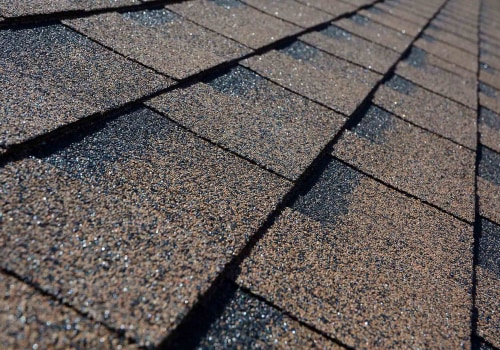
are among the most popular roofing materials due to their affordability and ease of installation. During an inspection, look for curled, cracked, or missing shingles, as these can lead to leaks and further damage if not addressed promptly.Metal Roofs
are known for their durability and longevity.However, during inspections, it's important to check for rust, corrosion, or loose seams. Ensuring that the fasteners are secure is also crucial to prevent water infiltration.
Tile Roofs
, commonly made from clay or concrete, require special attention during inspections. Inspect for broken or displaced tiles, as well as any signs of mold or mildew that may indicate water retention issues. Proper drainage is also vital for tile roofs.Slate Roofing
is another durable option that can last for decades.However, slate can be heavy and may crack or break under pressure. During an inspection, check for loose or broken slates and ensure that the underlayment is intact to protect against leaks.
Wood Shakes
offer a natural aesthetic but require regular maintenance to prevent rot and insect infestations. Inspect for signs of decay, warping, or insect damage, and ensure proper ventilation to extend the roof's lifespan. Lastly, synthetic roofing materials, such as rubber or plastic composites, have become increasingly popular due to their lightweight and eco-friendly properties. During inspections, look for any signs of wear or degradation that may affect their performance. By understanding the specific inspection requirements associated with different roofing materials, homeowners can take proactive steps to maintain their roofs and avoid costly repairs down the line.Signs of Damage to Look For
Regular roof inspections are crucial for identifying potential issues before they escalate into expensive repairs.Homeowners should be vigilant and aware of common indicators of roof damage or deterioration. Here are some key signs to look out for:
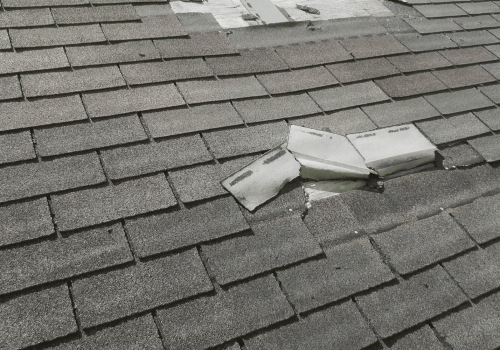
- Missing or Damaged Shingles: Look for any shingles that are missing, cracked, or curled. These can expose the underlying layers to moisture and lead to leaks.
- Granule Loss: If you notice a significant amount of granules in your gutters or on the ground, this may indicate that your shingles are deteriorating and require replacement.
- Water Stains: Check for water stains on your ceilings or walls, which can be a sign of leaks originating from the roof.
- Mold and Mildew: The presence of mold or mildew on your roof or in your attic could indicate moisture problems that need immediate attention.
- Damaged Flashing: Inspect the flashing around chimneys, vents, and skylights. If it's cracked or rusted, it may need to be repaired or replaced to prevent leaks.
- Ponding Water: Standing water on the roof after rain can lead to serious damage over time.
Ensure your roof has proper drainage.
- Sagging Roof Deck: If you notice any sagging areas, this could indicate structural issues that need professional assessment.