When embarking on any roofing project, whether it's a simple repair or a complete overhaul, the importance of ensuring quality control throughout the project cannot be overstated. A roof is not just a structure; it is a critical component of your home that protects you from the elements, enhances energy efficiency, and contributes to the overall aesthetic appeal. Unfortunately, many homeowners find themselves overwhelmed by the sheer number of roofing contractors available, each promising high-quality work. This is where the challenge lies: how do you maintain high standards in roofing projects without compromising on quality? In this article, titled Maintaining High Standards in Roofing Projects, we will delve into the essential steps you can take to guarantee that your roofing project meets the highest standards of quality.
From finding reliable roofing contractors to building a solid relationship with your chosen professional, we will provide you with insights and strategies that will empower you to make informed decisions. By understanding the key elements of quality control in roofing, you can ensure that your investment not only enhances your home but also stands the test of time. So, let's explore how you can navigate this journey with confidence and clarity. From finding reliable roofing contractors to building a solid relationship with your chosen professional, we will provide you with insights and strategies that will empower you to make informed decisions. By understanding the key elements of quality control in roofing, you can ensure that your investment not only enhances your home but also stands the test of time. So, let's explore how you can navigate this journey with confidence and clarity.
Ensuring quality control throughout the project
is essential for maintaining high standards in roofing projects. From the outset, the selection of materials plays a pivotal role.Choosing high-quality materials that are suited for specific climates and styles can significantly affect the durability and performance of a roof. For instance, asphalt shingles are popular due to their affordability and versatility, but they may not perform well in extreme weather conditions. On the other hand, metal roofs offer excellent durability and energy efficiency, although they can be more expensive upfront.
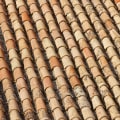
Tile roofs
, known for their aesthetic appeal and longevity, require careful consideration regarding weight and structural support.Each material comes with its own set of benefits and drawbacks, making it crucial to consult with a knowledgeable contractor who understands local conditions. Once materials are selected, the installation process becomes critical in ensuring quality control throughout the project. Proper techniques during installation are vital to prevent issues such as leaks or structural weaknesses. Homeowners should be proactive in assessing the workmanship of their contractors by asking questions about their installation methods and checking references from previous clients. It is beneficial to be present during the installation to observe the process; this allows homeowners to ensure that the team follows best practices, such as proper sealing and flashing techniques, which are essential for a watertight roof. The role of inspections cannot be overstated.
Regular inspections during and after installation help ensure compliance with building codes and industry standards. Homeowners should insist on having inspections carried out at various stages of the project, particularly after significant milestones such as material delivery and before the final covering is applied. These inspections not only validate the work done but also provide an opportunity to address any potential issues before they escalate into costly problems. Post-installation maintenance is another critical aspect of ensuring quality control throughout the project. Regular maintenance can significantly impact the longevity of a roof.
Homeowners should schedule periodic inspections to check for signs of wear or damage, such as missing shingles or rust spots on metal roofs. Preventive maintenance, such as clearing debris from gutters and checking seals around chimneys and vents, can extend the life of a roof considerably. Case studies demonstrate the importance of quality control practices. One homeowner shared their experience with a contractor who skimped on materials to cut costs; within just a few years, they faced severe leaks that required extensive repairs. In contrast, another homeowner who invested in a reputable contractor with a focus on quality control enjoyed a roof that lasted well beyond its expected lifespan, providing peace of mind and protection from the elements. While it may be tempting to opt for cheaper solutions, it is important to acknowledge that quality may come at a higher initial cost but ultimately saves money in the long run by preventing future repairs.
Investing in quality materials and skilled labor is an investment in safety, durability, and long-term satisfaction with your roofing project.
Importance of Inspections
Regular inspections during and after the installation process are critical components of quality assurance in roofing projects. These inspections serve as a proactive measure to identify potential issues before they escalate into significant problems. By conducting timely evaluations, contractors can ensure that all materials and workmanship meet the established standards. The importance of these inspections cannot be overstated. For instance, a thorough inspection can reveal improper installation techniques or substandard materials that could jeopardize the integrity of the roof.Addressing these concerns early on helps to mitigate the risk of costly repairs and enhances the overall lifespan of the roofing system. Moreover, regular inspections contribute to the safety of the structure. A compromised roof not only endangers the property but also poses risks to its inhabitants. Ensuring that inspections are part of the project timeline fosters a culture of accountability among contractors and subcontractors alike. In conclusion, integrating a robust inspection schedule into roofing projects is essential for maintaining high standards. It reassures homeowners that their investment is being protected and that they will receive a durable and reliable roof capable of withstanding the elements.
Choosing Quality Materials
Choosing quality materials is a critical step in ensuring quality control throughout the project of roofing.The selection of materials directly impacts the durability, performance, and longevity of the roof. Using inferior materials can lead to a range of problems, including leaks, premature wear, and increased maintenance costs. When selecting roofing materials, it is essential to consider factors such as durability, climate suitability, and the specific needs of the building. For instance, in areas prone to extreme weather conditions, investing in high-quality materials that can withstand heavy rain, snow, or high winds is crucial. The selection of materials directly impacts the durability, performance, and longevity of the roof. Using inferior materials can lead to a range of problems, including leaks, premature wear, and increased maintenance costs. When selecting roofing materials, it is essential to consider factors such as durability, climate suitability, and the specific needs of the building. For instance, in areas prone to extreme weather conditions, investing in high-quality materials that can withstand heavy rain, snow, or high winds is crucial.
This not only enhances the roof's resilience but also protects the integrity of the entire structure. Furthermore, quality materials often come with better warranties and performance guarantees. This means that homeowners can have peace of mind knowing that their investment is protected over time. Additionally, reputable manufacturers typically offer extensive testing and certifications, ensuring that their products meet industry standards. In summary, choosing quality materials is vital for maintaining high standards in roofing projects. It significantly influences the overall outcome and ensures that the roof will provide reliable protection against the elements while minimizing future repair costs.
Building Relationships with Contractors
Building a strong relationship with your roofing contractor is vital for ensuring quality control throughout the project.Effective communication plays a crucial role in this process, as it allows both parties to align their expectations and understand the specific requirements of the roofing job. When a contractor clearly understands the homeowner's vision, it minimizes the chances of miscommunication that could lead to subpar work. Moreover, trust is an essential component of this relationship. A contractor who feels trusted is more likely to take pride in their work, leading to better attention to detail and a commitment to high standards. This trust can be built through open dialogue, where homeowners are encouraged to ask questions and express concerns.
Regular check-ins during the project can also reinforce this trust and allow for timely adjustments if issues arise. Additionally, establishing a good rapport with your contractor can lead to more effective problem-solving. When challenges occur, such as unexpected weather conditions or material shortages, a trustworthy relationship allows for collaborative solutions that prioritize quality and safety. Ultimately, fostering strong communication and trust with your contractor not only enhances the quality control process but also contributes to a successful roofing project that meets the homeowner's expectations.
Installation Process
Ensuring quality control throughout the project begins with a meticulous installation process. This phase is crucial, as it directly impacts the durability and performance of the roofing system.A well-executed installation can significantly reduce the risk of future issues, while poor practices can lead to costly repairs and safety hazards. One of the critical installation practices involves proper material selection. Choosing high-quality materials that are suited for the specific climate and environmental conditions of the area is essential. For instance, using materials that are resistant to moisture and UV damage can enhance the longevity of the roof. Another important aspect is ensuring that all components are installed according to the manufacturer's specifications. This includes following guidelines for laying shingles, installing underlayment, and setting flashing.
Adhering to these instructions guarantees that each element works together effectively, contributing to the overall integrity of the roofing system. Additionally, engaging skilled labor is vital. Experienced roofing contractors understand the nuances of roof installation and are trained to recognize potential problems before they escalate. They also bring knowledge about local building codes and regulations, ensuring compliance throughout the project. Regular inspections during the installation process play a significant role in maintaining quality control. Conducting checks at various stages allows for timely identification and correction of any mistakes or deficiencies.
This proactive approach not only upholds safety standards but also ensures that the final product meets all performance expectations. Finally, effective communication between homeowners and contractors is essential during the installation process. Homeowners should feel empowered to ask questions and request updates, fostering a collaborative atmosphere that prioritizes quality and transparency.
Maintenance for Longevity
To ensure the longevity and quality of your roof, regular maintenance is essential. A well-maintained roof can withstand harsh weather conditions and prevent costly repairs down the line. Here are some vital maintenance tips that can help maintain your roof's quality over time:1.Regular Inspections: Schedule periodic roof inspections at least twice a year, preferably in spring and fall.During these inspections, look for signs of wear and tear, such as missing shingles or damaged flashing. Early detection of issues can prevent more significant problems.
2.Clean Gutters:
Clogged gutters can lead to water pooling on the roof, causing leaks and damage. Ensure your gutters are clear of debris and functioning correctly. Consider installing gutter guards to minimize maintenance.3.Trim Overhanging Branches:
Trees that hang over your roof can cause significant damage during storms.Regularly trim back branches to prevent them from scraping against the roof or breaking off and causing damage.
4.Remove Debris:
Regularly clear your roof of leaves, branches, and other debris. This will help prevent mold growth and keep your roofing materials in good condition.5.Check for Leaks:
After heavy rainfall or snowmelt, check your attic and ceilings for any signs of leaks or water stains. Addressing leaks promptly can save you from extensive damage later.6.Maintain Flashing:
Flashing is crucial for sealing areas where the roof meets walls or chimneys. Inspect it regularly for cracks or rust, and replace it if necessary.7.Professional Maintenance:
Consider hiring a professional roofing contractor for annual maintenance checks.They have the expertise to identify potential issues that may be overlooked by an untrained eye. By following these maintenance tips, you can significantly enhance the lifespan of your roofing system, ensuring it remains durable and reliable in protecting your home from the elements. In conclusion, maintaining high standards in roofing projects is crucial for ensuring the longevity and reliability of your roof.
Ensuring quality control throughout the project
not only mitigates potential risks such as costly repairs and safety hazards but also provides peace of mind to homeowners. By choosing quality materials, adhering to a meticulous installation process, and prioritizing regular inspections, you set a strong foundation for your roofing investment. Furthermore, ongoing maintenance for longevity is essential to uphold these standards over time.Finally, fostering a solid relationship with your contractors can enhance communication and collaboration, ensuring that quality remains a top priority throughout the project. We encourage readers to be proactive in their approach, from selecting materials to working closely with their contractors, to guarantee a successful roofing outcome.