When it comes to maintaining your home, roof damage is one of the most significant concerns for homeowners. Whether it results from severe weather, aging materials, or unexpected accidents, understanding the nuances of insurance claims for roof damageinsurance claims for roof damage can be a daunting task. Many homeowners find themselves unprepared when faced with the reality of filing a claim, often feeling overwhelmed by the process and unsure of their rights and responsibilities. In this article, we will delve into the intricacies of insurance claims for roof damage, providing you with essential insights that can help you navigate this crucial aspect of homeownership. Knowing how to effectively manage your claim not only ensures that you receive the compensation you deserve but also empowers you to take control of your roofing needs. With a clear understanding of the claims process, including what documentation is required and common pitfalls to avoid, you'll be better equipped to tackle any roofing issues that may arise.
So let’s explore how you can protect your investment and ensure your home remains a safe haven. When it comes to insurance claims for roof damage, understanding the different types of damage that are typically covered by insurance policies is essential for homeowners. Roof damage can occur due to a variety of factors, and insurance is designed to help mitigate the financial burden that such damages can impose. Common types of roof damage that are typically covered include hail damage, wind damage, and leaks. Each of these types of damage can lead to significant repair costs, making it crucial for homeowners to be aware of what their policies cover.
Hail damage
is often characterized by dents or dings on the roofing material, which can compromise its integrity and lead to leaks or further deterioration.Most homeowners' insurance policies cover hail damage, especially if the roof is relatively new and made from durable materials like asphalt shingles or metal roofing.
Wind damage
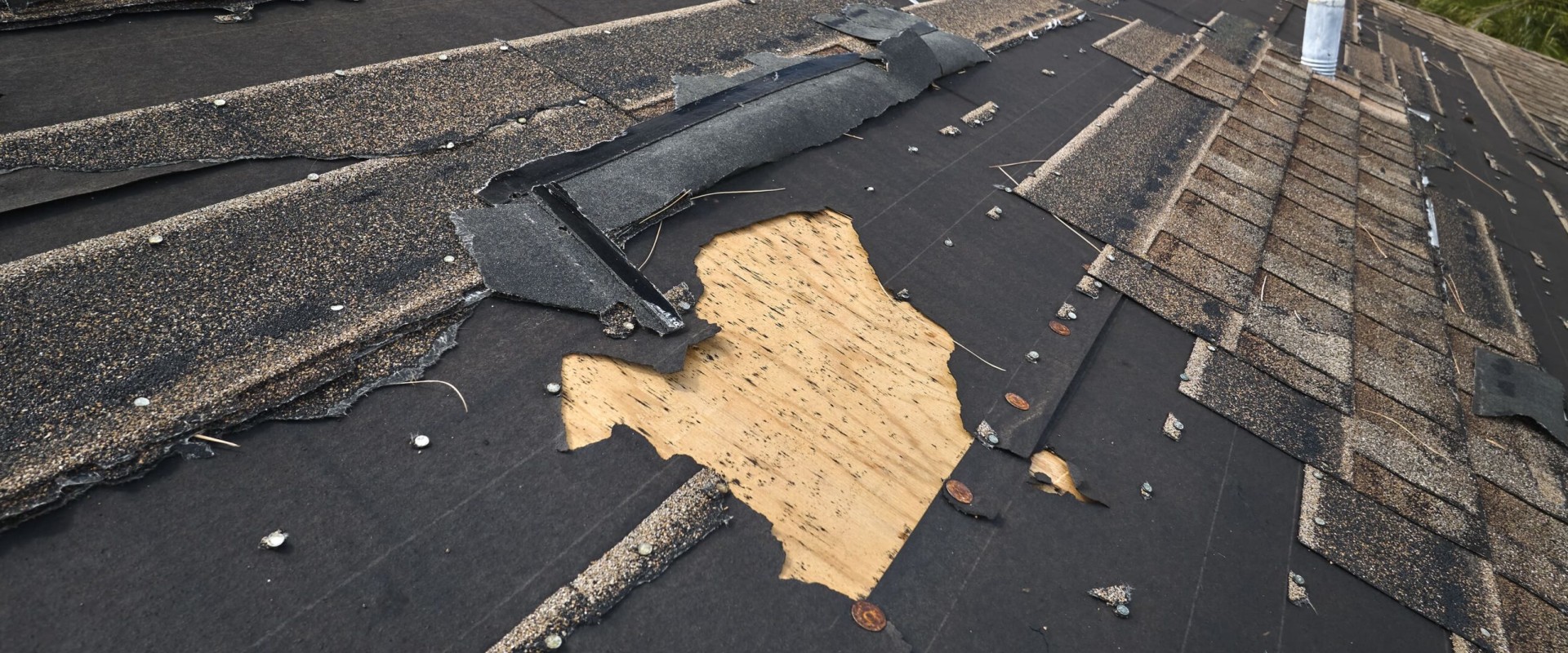
, on the other hand, can result in missing shingles or even complete sections of roofing being torn off. This type of damage is also commonly covered under most policies, but it can depend on the strength of the wind and local building codes.Leaks
may arise from a variety of issues, including previous damage from storms or wear and tear over time.Insurance might cover leaks if they are a result of sudden and accidental incidents, but pre-existing conditions often complicate claims. The type of roofing material plays a significant role in how coverage and claims are handled. For instance, roofs made from more durable materials like slate or metal might have different considerations compared to those made from asphalt shingles. Homeowners should be aware that some materials might have higher premiums or specific exclusions in their policies. Understanding these nuances can help homeowners select the right coverage when purchasing insurance. Once homeowners discover roof damage, taking immediate action is critical.
The first step is to document the damage thoroughly. This includes taking clear photographs from various angles to showcase the extent of the damage. Homeowners should also make notes about when they noticed the damage and any relevant weather events that might have contributed to it. It’s advisable to contact their insurance provider as soon as possible to report the incident and start the claims process. Gathering evidence for claims can significantly impact the outcome of an insurance claim.
Homeowners should obtain repair estimates from reputable contractors, as these can serve as critical documentation when filing a claim. When taking photos, it is important to capture not just the visible damage but also any surrounding areas that may show additional impacts from storms or other events. Having comprehensive evidence will support the homeowner's case when dealing with insurance adjusters. However, navigating the claims process can sometimes be challenging. Homeowners may face disputes over coverage, especially if there are ambiguities in their policy language or if adjusters disagree about the extent of damages.
In some cases, claims may be denied outright due to perceived negligence or pre-existing issues. To overcome these challenges, homeowners should remain proactive throughout the process. Keeping clear communication with their insurance provider and asking for clarification on any points of confusion can help avert misunderstandings. If a claim is denied, homeowners have the option to appeal the decision. This may involve providing additional documentation or hiring a public adjuster who can advocate on their behalf.
It’s essential for homeowners to remember that they have rights under their insurance policy and should not hesitate to seek assistance if they feel their claim has been unjustly denied. In summary, understanding insurance claims for roof damage involves recognizing the types of damage typically covered, how roofing materials affect coverage, and knowing the steps necessary after discovering damage. By documenting incidents carefully and navigating the claims process with diligence, homeowners can increase their chances of receiving fair compensation for roof repairs. involves recognizing the types of damage typically covered, how roofing materials affect coverage, and knowing the steps necessary after discovering damage. By documenting incidents carefully and navigating the claims process with diligence, homeowners can increase their chances of receiving fair compensation for roof repairs.
Common Challenges in Filing Claims
Filing an insurance claim for roof damage can be a daunting process for homeowners, often fraught with challenges that can complicate the claim’s approval. Understanding these common issues can help homeowners navigate the process more effectively. One of the primary challenges is the documentation required to support a claim. Insurers typically require extensive evidence, including photographs of the damage, estimates for repairs, and sometimes even a detailed description of the events leading to the damage.Homeowners may struggle to gather all necessary documentation, leading to delays or denials. To address this, it is advisable to take thorough photographs immediately after the damage occurs and keep all relevant records organized. Another significant hurdle is understanding the insurance policy itself. Many homeowners are not fully aware of the specifics of their coverage, including deductibles, limits, and exclusions. This lack of understanding can lead to expectations that exceed what the policy covers.
Homeowners should review their policies carefully and consult with their insurance agents to clarify any uncertainties before filing a claim. Additionally, homeowners may face issues related to timeliness. Insurance companies often have strict deadlines for filing claims and submitting supporting documents. Delays in reporting the damage or providing necessary information can result in claim denial. To mitigate this risk, homeowners should act quickly following an incident and maintain a timeline of all communications with their insurer. Lastly, some homeowners encounter difficulties when dealing with insurance adjusters.
Adjusters may assess damage differently than expected, leading to disputes over repair costs and coverage. Homeowners should be prepared to advocate for themselves by obtaining multiple repair estimates and being proactive in discussions with adjusters. By being aware of these common challenges and proactively addressing them, homeowners can improve their chances of successfully navigating the claims process for roof damage.
Types of Roof Damage
Understanding the types of roof damage is crucial for homeowners looking to file insurance claims for roof damage. Roofs can sustain various forms of damage, each of which may be covered differently by insurance policies. Below are some common types of roof damage that homeowners should be aware of:1.Storm Damage: Severe weather conditions, such as heavy winds, hail, and thunderstorms, can cause significant damage to roofs.Hail can create dents and punctures in roofing materials, while strong winds can lift shingles or even tear them off completely. Most insurance policies typically cover storm-related damages, but it's essential to review your specific policy.
2.Water Damage:
Roof leaks can lead to extensive water damage within the home. This often occurs due to missing shingles or damaged flashing. Insurance often covers water damage if it is a result of a covered peril, but damage from lack of maintenance may not be included.3.Wear and Tear:
Over time, roofs naturally deteriorate due to exposure to the elements.While standard wear and tear is generally not covered by insurance, sudden and unexpected failures due to aging materials might be covered depending on the circumstances.
4.Fire Damage:
Roofs can also be affected by fire, whether from a wildfire or an internal house fire. Insurance typically covers fire damage, allowing homeowners to file claims for repairs or replacements.5.Impact Damage:
This type of damage occurs when heavy objects, such as tree branches or debris, fall onto the roof. Most homeowners' insurance policies will cover the repairs needed for impact damage. Understanding these types of roof damage helps homeowners identify what may be covered under their insurance policy and prepares them for the claims process.Working with Contractors
Once your insurance claim for roof damage is approved, the next step is to find a reliable roofing contractor to carry out the necessary repairs. This process is crucial, as the quality of the repair work can significantly impact the longevity and effectiveness of your roof.Here are some tips to help you find trustworthy contractors:1.Research Local Contractors: Start by looking for roofing contractors in your area. Local companies are often more familiar with the specific challenges and requirements in your region.
2.Check Reviews and References:
Look for online reviews on platforms like Google, Yelp, or Angie's List. Additionally, ask contractors for references from previous clients to gauge their reputation and quality of work.3.Verify Credentials:
Ensure that the contractor is licensed, insured, and has a good standing with local business organizations. This can provide peace of mind that they adhere to industry standards and regulations.4.Get Multiple Estimates:
Don't settle for the first contractor you find.Obtain estimates from at least three different contractors to compare prices, services offered, and timelines for completion.
5.Ask About Warranties:
A reputable contractor should offer warranties on both their workmanship and the materials used. This can protect you against future issues related to the repair.6.Communication is Key:
Choose a contractor who communicates clearly and promptly. Good communication ensures that you understand the process and can address any concerns that arise during the repair.7.Avoid Large Upfront Payments:
Be cautious if a contractor requests a large deposit before starting work. A good contractor will typically require a reasonable deposit but will not ask for full payment until the project is completed. By following these tips, you can enhance your chances of finding a reliable roofing contractor who will effectively address your roof damage after your insurance claim has been approved.Understanding Your Insurance Policy
When it comes to insurance claims for roof damage, understanding your insurance policy is crucial for homeowners.Different insurance policies offer varying levels of coverage, and knowing the specifics can make a significant difference when filing a claim. Typically, homeowners' insurance policies fall into two categories: named perils and open perils. Named perils policies cover only the types of damage explicitly listed in the policy, such as fire, theft, or vandalism. In contrast, open perils policies provide broader coverage, protecting against all risks unless specifically excluded. Homeowners should carefully review their policy to determine which type they have and what roof damage is covered. Another critical aspect to consider is the dollar limits on coverage.
Many policies include a cap on how much they will pay for roof repairs or replacements. Homeowners should check these limits and ensure they are sufficient to cover potential costs associated with roof damage. Additionally, it is essential to understand the deductible associated with your policy. A deductible is the amount you must pay out of pocket before your insurance coverage kicks in. Higher deductibles often lead to lower premium costs, but they can result in significant expenses during a claim.
Homeowners should weigh their options and choose a deductible that aligns with their financial situation. Finally, homeowners should be aware of any exclusions in their policy that may impact their claims. Certain types of roof damage, such as that resulting from neglect or lack of maintenance, might not be covered. Understanding these exclusions can help homeowners make informed decisions about maintenance and repairs to avoid unexpected expenses. By familiarizing themselves with the intricacies of their insurance policy regarding roof damage, homeowners can better navigate the claims process and ensure they receive the financial assistance they need when faced with roof repairs.
Steps to File a Claim
Filing an insurance claim for roof damage can be a daunting process, but understanding the steps involved can help streamline the experience. Here’s a step-by-step process to follow when filing your claim:1.Assess the Damage: Before contacting your insurance company, thoroughly inspect your roof to determine the extent of the damage.Take clear photographs from multiple angles to document the condition of the roof.
2.Review Your Policy:
Familiarize yourself with your insurance policy, paying attention to the coverage details related to roof damage. Look for information regarding deductibles, exclusions, and the claims process.3.Contact Your Insurance Company:
Reach out to your insurance provider to report the damage. Provide them with the necessary details, including the date of the incident, a description of the damage, and any relevant photographs.4.Complete Claim Forms:
Your insurer will provide claim forms that you must fill out accurately. Ensure that all information is complete and truthful to avoid delays in processing your claim.5.Gather Documentation:
Along with your claim forms, compile all necessary documentation.This may include receipts for repairs, estimates from roofing contractors, and any additional evidence that supports your claim.
6.Schedule an Inspection:
After submitting your claim, your insurance company may schedule an inspection of your roof. Be prepared for an adjuster to visit your property to assess the damage firsthand.7.Follow Up:
Keep in touch with your insurance representative throughout the claims process. Don’t hesitate to follow up on the status of your claim if you don’t receive timely updates.8.Review Settlement Offer:
Once your claim has been processed, you will receive a settlement offer from your insurer. Review it carefully and ensure it covers all necessary repairs before accepting.9.Appeal if Necessary:
If you believe that the settlement offer is insufficient or if your claim is denied, you have the right to appeal the decision.Provide additional evidence or documentation to support your case during the appeal process. By following these steps, homeowners can navigate the claims process more effectively and increase their chances of receiving fair compensation for roof damage. In conclusion, understanding insurance claims for roof damage is essential for homeowners facing the challenges of roof repair and replacement. We have explored various types of roof damage, from storm-related issues to wear and tear, highlighting how these can significantly impact your home and finances. Familiarizing yourself with your insurance policy is crucial, as it dictates what types of damage are covered and the process for filing a claim. We discussed the necessary steps to file a claim, emphasizing the importance of documentation and prompt communication with your insurance provider. Additionally, we addressed common challenges that homeowners may encounter during this process, such as disputes over coverage or delays in claim approval. Finally, working with reputable contractors can make a substantial difference in both the quality of repairs and the claims process itself.
By being proactive—regularly inspecting your roof and staying informed about your insurance policy—you can navigate potential issues more effectively. Remember, preparedness is key to ensuring that you receive the financial assistance you need when faced with roof damage.