When it comes to ensuring the safety and efficiency of your home, evaluating chimney and vent integrity is a crucial step that should never be overlooked. Many homeowners tend to focus on the more visible aspects of their property, such as the roof or exterior walls, while neglecting the hidden systems that keep their homes warm and comfortable. This oversight can lead to serious issues, including dangerous carbon monoxide buildup, inefficient heating systems, and costly repairs. Chimneys and vents play an essential role in the proper functioning of heating appliances and the overall ventilation of your home. They are responsible for directing harmful gases outside and ensuring that fresh air can circulate within your living spaces.
Over time, however, these structures can suffer from wear and tear, blockages, or structural damage due to environmental factors. In this article, we will delve into the importance of evaluating chimney and vent integrity, discussing key indicators of potential problems and offering practical tips for inspection. By understanding how to assess these critical components of your home, you can not only enhance safety but also extend the lifespan of your heating systems and improve energy efficiency. Join us as we explore how to effectively inspect chimneys and vents, identify common issues, and ensure your home remains a safe haven for you and your family. Evaluating chimney and vent integrity is crucial for maintaining roof safety and efficiency. These systems are essential for proper ventilation and preventing hazardous situations. Understanding the various components involved in chimney and vent systems is the first step towards a comprehensive inspection.
Key elements include flues, caps, and flashing. Each component plays a vital role in ensuring that smoke and gases are safely vented outside, while also protecting the structure from water intrusion. The flue serves as the channel for exhaust gases to escape from the home. It is typically lined with metal or clay tiles, which can deteriorate over time. The cap, located at the top of the chimney, prevents rain, debris, and animals from entering while allowing gases to exit freely.
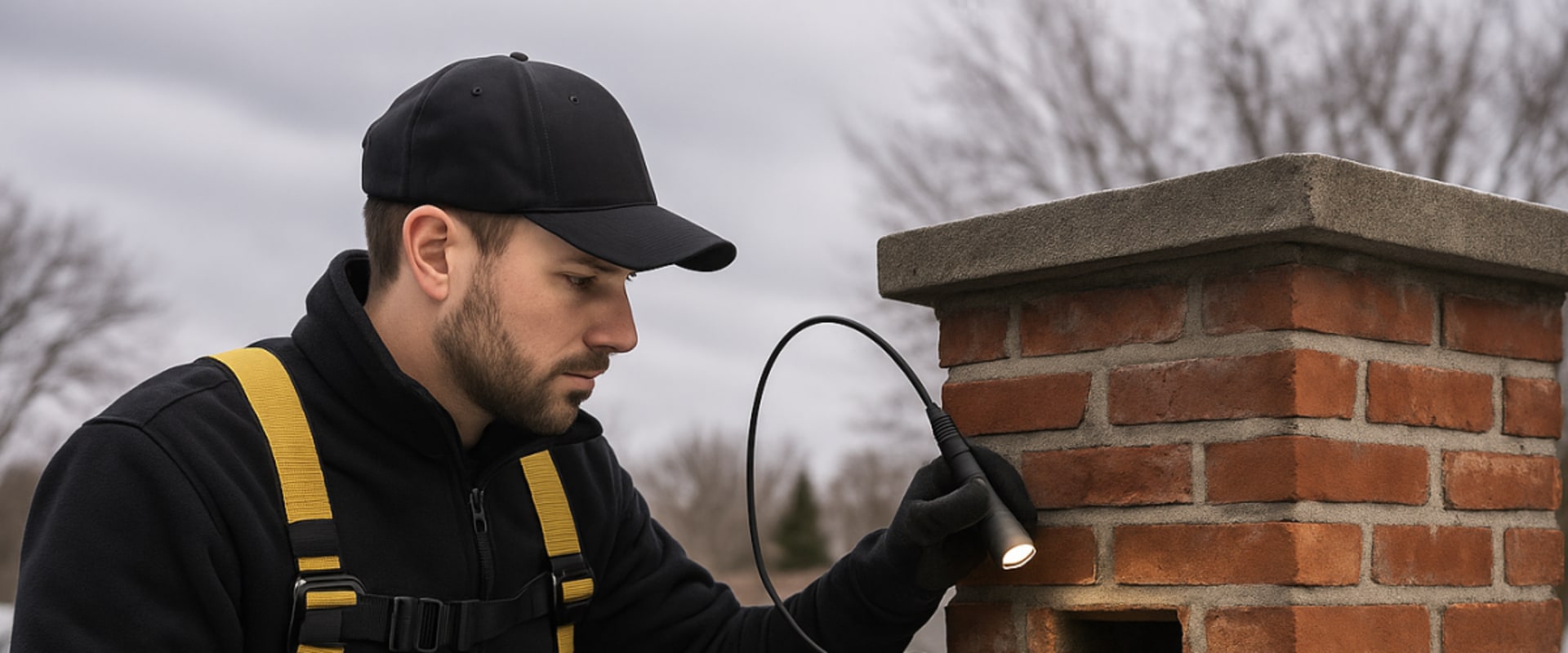
Flashing is the material used to seal the joints between the chimney and the roof, preventing water leaks that can lead to significant damage. When inspecting these components, both visual assessments and physical checks are necessary. Begin by visually inspecting the exterior of the chimney and its components for any signs of damage or wear. Look for cracks in the masonry, rust on metal parts, or loose flashing that may indicate water intrusion. Pay close attention to areas where different materials meet, as these can be prone to leaks. Next, assess the interior of the chimney by checking the flue for blockages.
This may require a flashlight or a small camera, especially if there are hard-to-reach areas. Inspecting inside can reveal creosote buildup, which poses a fire hazard if left untreated. Make sure to utilize ladders or scaffolding safely to access high areas without risking injury. Common issues found during inspections include cracks in the chimney structure, rust on metal components, and blockages caused by debris or animal nests. Each of these issues can have serious implications for safety.
For example, cracks can allow harmful gases to seep into living spaces, while blockages can lead to dangerous backdrafts. Seasonal factors also play a significant role in maintaining chimney integrity. For instance, winter weather can cause freezing and thawing cycles that may lead to cracking in masonry materials. In contrast, heavy rains can exacerbate existing leaks if flashing is not properly sealed. To combat these seasonal effects, regular maintenance practices should be implemented.
This includes cleaning the flue at least once a year, inspecting caps for damage or wear, and ensuring that flashing is intact. Additionally, consider installing a top-sealing damper that can help protect against moisture and drafts when the chimney is not in use. Performing routine inspections after severe weather events can also help identify any new damage that may have occurred. By being proactive about evaluating chimney and vent integrity, homeowners can significantly reduce risks associated with fire hazards and poor ventilation. Regular inspections and maintenance will not only prolong the lifespan of these critical components but also ensure that they function safely and efficiently throughout their use.
Signs of Damage to Look For
Identifying signs of damage to your chimney and vents is crucial in ensuring their integrity and, by extension, the safety of your roof. Here are specific indicators that suggest repairs are needed:Discoloration: A change in color on your chimney or vent may indicate moisture intrusion or damage.Look for dark stains or white efflorescence, which could signify water-related issues.
Leaking
: If you notice water stains on your ceilings or walls near the chimney or vent area, this could be a sign of a leak. Water intrusion can lead to serious structural problems if not addressed promptly.Crumbling Bricks
: Check for any bricks that appear to be crumbling or missing. This deterioration can weaken the entire structure and may require immediate attention to prevent further damage. Being vigilant about these signs can help you take timely action and maintain the overall integrity of your chimney and vent systems.When to Call a Professional
While regular inspections of your chimney and vent systems can be conducted by homeowners, there are specific scenarios where hiring a professional contractor becomes essential.Safety
should always be the top priority, and certain conditions can pose significant risks that are best managed by experts. If you notice any signs of severe damage, such as large cracks in the chimney structure or significant rust on metal vents, it is crucial to contact a professional.These issues may indicate underlying problems that require specialized knowledge and tools to diagnose and repair correctly. Additionally, if you experience any unusual odors or smoke emanating from your chimney, this is a clear signal that something is wrong. Such scenarios can lead to dangerous situations like carbon monoxide buildup or chimney fires, which necessitate immediate professional intervention. Another situation that warrants hiring a contractor is when your home has experienced severe weather events. High winds, heavy snow, or ice can compromise the integrity of your chimney and vents. A qualified inspector can assess any potential damage and recommend necessary repairs to ensure your system functions safely and efficiently. Lastly, if you are unsure about the condition of your chimney or vent system, or if it has been several years since the last professional inspection, it is wise to seek expert advice.
Professionals have the training and experience to identify subtle issues that may not be apparent to the untrained eye. In summary, while homeowners can perform routine checks, any significant concerns regarding chimney and vent integrity should prompt a call to a qualified contractor to ensure safety and proper maintenance.
Understanding Your Chimney Structure
To effectively evaluate your chimney and vent integrity, it is essential to first understand the basic components of a chimney and their respective functions. A chimney typically consists of several key parts: the flue, crown, cap, liner, and stack. Each component plays a crucial role in ensuring that your chimney operates safely and efficiently. The flue is the inner passage that allows smoke and gases to escape from your home. It is vital for maintaining proper ventilation and preventing backdrafts, which can lead to dangerous situations.The crown serves as a protective barrier at the top of the chimney, keeping water out and preventing damage from weather elements. A well-maintained crown is essential for extending the lifespan of your chimney. The cap fits over the top of the chimney and helps to prevent debris, such as leaves and animals, from entering the flue. This component also aids in minimizing downdrafts that can affect indoor air quality. The liner, often made of clay or metal, protects the chimney structure from heat and corrosion while guiding smoke upwards.
Finally, the stack is the visible part of the chimney that extends above the roofline, ensuring that smoke disperses safely away from your home. A comprehensive understanding of these components will help you assess their condition during your roof inspection. Signs of wear or damage, such as cracks in the liner or missing caps, can indicate potential issues that may compromise both your chimney's functionality and the overall health of your roof.
Common Repairs and Maintenance Tips
When it comes to evaluating chimney and vent integrity, regular maintenance and timely repairs are crucial in ensuring safety and efficiency. Based on inspection findings, homeowners may encounter several common issues that require attention. One typical repair involves addressing cracks or gaps in the chimney structure. These can lead to water infiltration and compromise the overall integrity of the chimney.To repair minor cracks, use a high-quality chimney sealant or caulk designed for high temperatures. For more extensive damage, consider consulting a professional mason to rebuild affected sections. Another common issue is the deterioration of the chimney cap. The cap protects the chimney from rain, debris, and animals. If your inspection reveals that the cap is cracked or missing, it’s essential to replace it promptly.
You can purchase a replacement cap at a local hardware store and follow the manufacturer's instructions for installation. Flashing around the base of the chimney is also prone to wear. Flashing prevents water from seeping into your roof around the chimney. Inspect for rust or loose sections and reseal them with roofing cement or replace them if necessary. Properly installed flashing can save you from costly water damage down the line. Maintaining proper ventilation is another critical aspect of chimney upkeep.
Ensure that vents are clear of debris, such as leaves or nests, which can obstruct airflow. Regularly check and clean out your vents to promote efficient operation. Lastly, consider scheduling an annual professional inspection of your chimney and vents. A certified technician can identify potential issues early and recommend necessary repairs, ensuring that your system operates safely and efficiently.
Inspection Process: A Step-by-Step Approach
Inspecting chimney and vent integrity is a crucial process that ensures the safety and efficiency of your roof system. By following a systematic approach, you can identify potential issues early and mitigate risks.Here’s a step-by-step method to guide you through the inspection process.
Step 1: Visual Assessment
Begin with a thorough visual assessment of the exterior of the chimney and vents. Look for any visible cracks, gaps, or missing components. Pay particular attention to the mortar joints and flashing, as these areas are often prone to deterioration.Step 2: Check for Structural Stability
Next, assess the structural integrity of the chimney and vent systems. Ensure that they are standing straight without any leaning or tilting.A leaning chimney can indicate underlying structural issues that need immediate attention.
Step 3: Inspect for Creosote Buildup
If applicable, check the interior of the chimney for creosote buildup. This flammable residue can accumulate over time and poses a serious fire hazard. If you notice significant buildup, it may be necessary to schedule a professional cleaning.Step 4: Examine Ventilation Systems
For vents, inspect the termination points to ensure they are clear of obstructions such as debris or animal nests. Proper ventilation is essential for preventing moisture buildup and maintaining air quality within your home.Step 5: Look for Signs of Water Damage
Water damage can significantly compromise chimney and vent integrity.Check for stains or discoloration on surrounding surfaces, which may indicate leaks or poor drainage. Ensure that gutters and downspouts are functioning properly to direct water away from these structures.
Step 6: Review Cap and Crown Condition
The cap and crown play an important role in protecting your chimney from water damage. Inspect these components for cracks or deterioration. A damaged cap or crown can lead to water infiltration and subsequent damage to the chimney structure.Step 7: Schedule Professional Evaluation
If you identify any significant issues during your inspection or if you're unsure about certain aspects, it's advisable to contact a professional chimney sweep or inspector.They have the expertise to conduct a thorough evaluation and recommend necessary repairs. By following this step-by-step approach, you can effectively assess the integrity of chimneys and vents, ensuring they remain safe and functional throughout their lifespan. In conclusion, maintaining the integrity of your chimney and vent systems is crucial for ensuring the safety and efficiency of your roof. Regular inspections can help identify potential issues before they escalate into serious problems, such as fire hazards or poor ventilation. As discussed, being aware of signs of damage and understanding your chimney structure are fundamental steps in this process. Following a thorough inspection process, along with implementing common repairs and maintenance tips, can significantly extend the lifespan of these components.
Remember, if you encounter problems beyond basic repairs, don't hesitate to call a professional. By prioritizing these evaluations as part of your overall roof maintenance strategy, you contribute to a safer home environment. . By prioritizing these evaluations as part of your overall roof maintenance strategy, you contribute to a safer home environment.