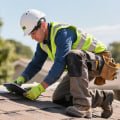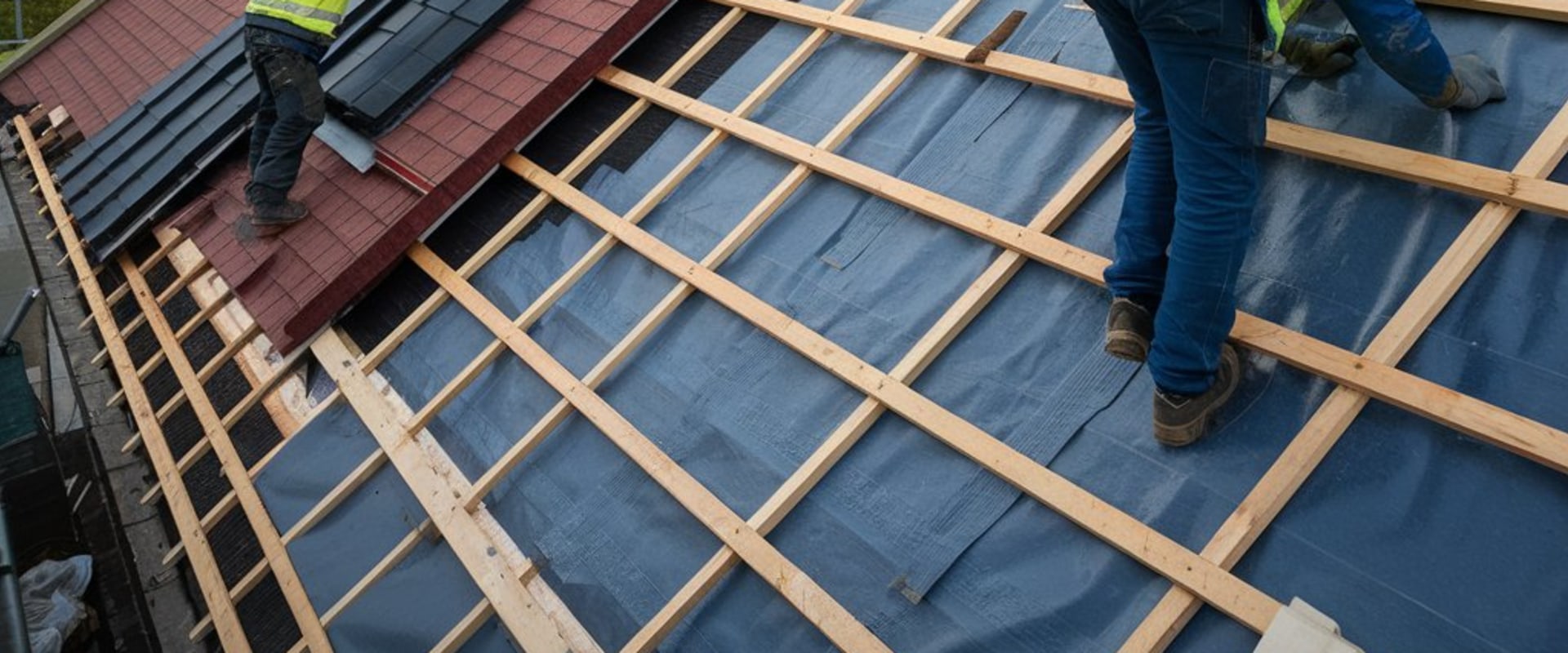
When it comes to maintaining the integrity of your home, prioritizing repairs based on inspection results is crucial. After a roofing inspection, homeowners often find themselves overwhelmed with the information presented—leaks, damaged shingles, and structural concerns are just a few of the potential issues that can arise. Understanding how to navigate these findings can make all the difference in protecting your investment and ensuring the safety of your living space. This article, titled Understanding How to Prioritize Roofing Repairs After an Inspection, aims to shed light on the best practices for addressing the various issues identified during a roof inspection. By categorizing repairs based on urgency and potential impact, you can make informed decisions that not only safeguard your home but also optimize your repair budget. As we delve deeper into this topic, we will explore effective strategies for assessing the severity of each issue, understanding the implications of neglecting certain repairs, and ultimately creating a prioritized action plan.
Whether you are a seasoned homeowner or new to property maintenance, this guide will equip you with the knowledge needed to tackle roofing repairs efficiently and effectively. Join us as we uncover the essential steps to take following a roof inspection, ensuring your home remains in top condition for years to come. Understanding how to prioritize repairs based on inspection results is crucial for homeowners who want to maintain the integrity of their roofing systems. A thorough roof inspection can reveal a variety of issues that, if neglected, may lead to significant damage and costly repairs down the line. It is essential for homeowners to interpret these inspection results correctly and determine which repairs should take precedence. Several key factors influence how repairs are prioritized.
First and foremost, the severity of damage plays a vital role. For example, a small leak might not seem urgent at first glance, but if left unaddressed, it could lead to rot and mold, affecting both the structure of the home and the health of its occupants. Conversely, minor cosmetic issues may be less critical in terms of immediate safety or structural integrity but still require attention. The type of roofing materialstype of roofing materials used also impacts repair prioritization. Different materials have varying vulnerabilities; for instance, asphalt shingles may curl or crack over time, while metal roofs can develop rust or lose panels.
Understanding these specific vulnerabilities helps homeowners assess which areas need urgent attention. Additionally, the potential impact on overall home safety and value must be considered. A roof in disrepair can lead to water intrusion, compromising the safety of the home and potentially decreasing its market value. To effectively manage repairs, categorizing them into urgent, important, and routine categories is beneficial. Urgent repairs might include fixing leaks or addressing structural damage that threatens the roof's integrity.
For instance, a significant leak during a rainstorm would fall into this category, as immediate action is necessary to prevent further damage. Important repairs could involve replacing damaged flashing or repairing sections of roofing that are beginning to fail but do not pose an immediate risk. Routine maintenance might consist of clearing gutters, replacing missing shingles, or performing periodic inspections to ensure everything is in good shape. Seasonal factors also play a critical role in determining repair timelines and costs. For example, addressing critical issues before winter is particularly important; snow and ice can exacerbate existing problems and create new ones if not dealt with promptly.
Similarly, spring may be a good time for maintenance tasks like cleaning gutters or checking for winter-related damage. The choice of roofing material influences not only repair urgency but also cost considerations. Asphalt shingles are generally less expensive to repair than tile roofs, which may require specialized labor and materials due to their weight and installation complexity. Homeowners should factor in these costs when prioritizing repairs based on inspection results. It's important to acknowledge that different perspectives on prioritization may arise, especially when considering budget constraints or differing interpretations of inspection results. Homeowners might prioritize certain repairs based on their understanding of what constitutes an urgent issue versus what can wait.
This disagreement underscores the need for clear communication with roofing professionals who can provide expert guidance on the most pressing issues. Ultimately, understanding how to prioritize repairs based on inspection results is an essential skill for homeowners aiming to protect their investment and ensure the safety of their homes. By considering factors like severity of damage, type of roofing materials, seasonal implications, and differing opinions on urgency, homeowners can make informed decisions that will help maintain their roofs effectively.
Assessing the Severity of Damage
After a thorough roof inspection, the next crucial step is assessing the severity of damage. This evaluation will help homeowners understand what repairs are most urgent and which can be scheduled for later. The first aspect to consider is the extent of the damage.Minor issues, such as small leaks or missing shingles, may not require immediate attention, but they should still be addressed in a timely manner to prevent further deterioration. On the other hand, significant damage, such as large holes, extensive water damage, or compromised structural integrity, demands immediate action. Homeowners must prioritize repairs based on how likely these issues are to lead to more severe problems if left unattended. For instance, a roof with substantial leaks can result in interior water damage, mold growth, and even health hazards. Additionally, it is essential to evaluate the location of the damage. Damage near critical areas such as chimneys, vents, or valleys can lead to more serious consequences if not repaired promptly.
When prioritizing repairs, consider both the severity and the location of each issue. Furthermore, understanding the age of the roofing system can also influence prioritization. Older roofs may have multiple weak points that could fail simultaneously, making it vital to address significant issues quickly. By assessing both the severity and implications of identified damage, homeowners can make informed decisions that protect their investment and ensure the longevity of their roofing system.
Impact of Material Type on Repair Decisions
The type of roofing material significantly influences how homeowners should prioritize repairs after an inspection. Different materials come with varying lifespans, maintenance needs, and repair costs, making it crucial to understand their characteristics.Asphalt shingles
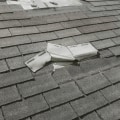
, one of the most common roofing materials, are relatively affordable and easy to repair.However, if the inspection reveals several damaged shingles, it may indicate a more extensive issue, such as water damage or inadequate ventilation. Homeowners should prioritize replacing these shingles to prevent further deterioration.
Metal roofs
offer durability and longevity but can be more expensive to repair. If an inspection uncovers rust spots or loose panels, homeowners should address these issues promptly. Ignoring them can lead to leaks and more significant structural problems over time.Tile roofs
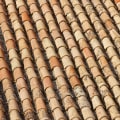
, often seen in warmer climates, are known for their aesthetic appeal and durability.However, cracked or broken tiles need immediate attention to avoid moisture intrusion. Homeowners should prioritize repairs based on the extent of damage and the potential for leaks.
Flat roofs
, common in commercial buildings and some residential homes, can present unique challenges. A minor issue like a small puncture can quickly escalate into a larger problem if not addressed. Therefore, repairs on flat roofs should be prioritized based on the inspection results to prevent water pooling and subsequent leaks. In summary, understanding the material type of your roof is essential for effectively prioritizing repairs after an inspection.By recognizing the specific needs and vulnerabilities of each material, homeowners can make informed decisions that protect their investment and ensure the longevity of their roofing system.
Cost Implications of Delaying Repairs
Delaying necessary roof repairs can lead to significant Delaying necessary roof repairs can lead to significant long-term financial impacts that homeowners should be aware of. When minor issues are overlooked, they can quickly escalate into major problems, resulting in more extensive damage and higher repair costs. For instance, a small leak might seem manageable at first, but if not addressed promptly, it can lead to water damage in the home’s interior, mold growth, and even structural issues. These consequences not only complicate the repair process but also add to the overall expenses involved. Furthermore, the longer a homeowner waits to address roofing issues, the more likely they are to incur additional costs associated with emergency repairs. Emergency situations often require expedited work, which can come with a premium price tag compared to regular maintenance. In addition to direct repair costs, delayed repairs can also affect property value.Potential buyers may be deterred by visible roofing issues, leading to lower offers or difficulties in selling the home altogether. Therefore, investing in timely repairs is not just about maintaining the roof; it is a crucial step in safeguarding the overall value of the property. In conclusion, understanding the cost implications of delaying repairs can help homeowners make informed decisions about their roofing maintenance. By prioritizing repairs based on inspection results, they can avoid the pitfalls of escalating costs and ensure their roofing system remains in optimal condition.
Categorizing Repairs: Urgent vs. Routine
When it comes to roof repairs, understanding the urgency of each issue is crucial for homeowners.By categorizing repairs into urgent and routine maintenance, homeowners can effectively allocate their resources and ensure the longevity of their roofing system.
Urgent repairs
are those that require immediate attention to prevent significant damage or safety hazards. Common examples of urgent repairs include:- Severe leaks that compromise the interior of the home, leading to water damage and mold growth.
- Missing or damaged shingles that expose the underlying roof structure to the elements, increasing the risk of leaks.
- Significant structural damage, such as sagging or buckling roofs, which could lead to collapse if not addressed promptly.
- Regular inspections to assess the condition of the roof and identify potential issues before they escalate.
- Cleansing gutters and downspouts to ensure proper water drainage and prevent pooling on the roof surface.
- Minor repairs such as replacing a few missing shingles or sealing small gaps that do not pose an immediate risk.
Seasonal Considerations for Repair Timelines
When it comes to prioritizing repairs based on inspection results, it is crucial to consider the impact of seasonal weather conditions. Different seasons bring varying challenges that can affect both the timing and nature of roofing repairs.For instance, during the winter months, snow and ice accumulation can hinder access to roofs and create unsafe working conditions for contractors. This can delay necessary repairs, especially if leaks or damage are noted in the inspection report. In contrast, spring may present a more favorable environment for repairs as the weather starts to warm up. However, it is also a time when heavy rains can occur, potentially exacerbating existing issues if not addressed promptly. Homeowners should prioritize urgent repairs, such as fixing leaks or damaged shingles, before the onset of spring storms. During the summer months, while weather conditions are generally more conducive to repair work, intense heat can also pose challenges.
Roofing materials may become more pliable, which can affect installation techniques and material performance. Therefore, scheduling repairs during the cooler parts of the day may be more effective. Finally, fall often serves as a critical time for pre-winter preparations. Homeowners should prioritize any outstanding repairs identified in their inspection reports to ensure that their roofs are ready to withstand harsh winter conditions. Addressing these issues before winter not only protects the home but also extends the lifespan of the roofing system. In summary, understanding how seasonal variations impact repair timelines is essential for homeowners looking to maintain their roofs effectively.
By aligning repair priorities with seasonal weather patterns, homeowners can ensure that their roofing systems remain intact and functional throughout the year. In conclusion, prioritizing repairs based on inspection results is essential for maintaining the longevity and integrity of your roofing system. Timely action not only addresses immediate concerns but also prevents more significant issues from arising in the future. Homeowners should take the insights gained from thorough inspections seriously, distinguishing between urgent and routine repairs to ensure that critical issues are resolved promptly. Moreover, developing a proactive maintenance plan is vital. This plan should encompass regular inspections and a clear strategy for addressing repairs as soon as they are identified.
By staying ahead of potential problems, homeowners can avoid unexpected costs and extend the lifespan of their roofs. Remember, neglecting necessary repairs can lead to extensive damage that could have been easily avoided. Therefore, take the time to understand your inspection results and act accordingly.