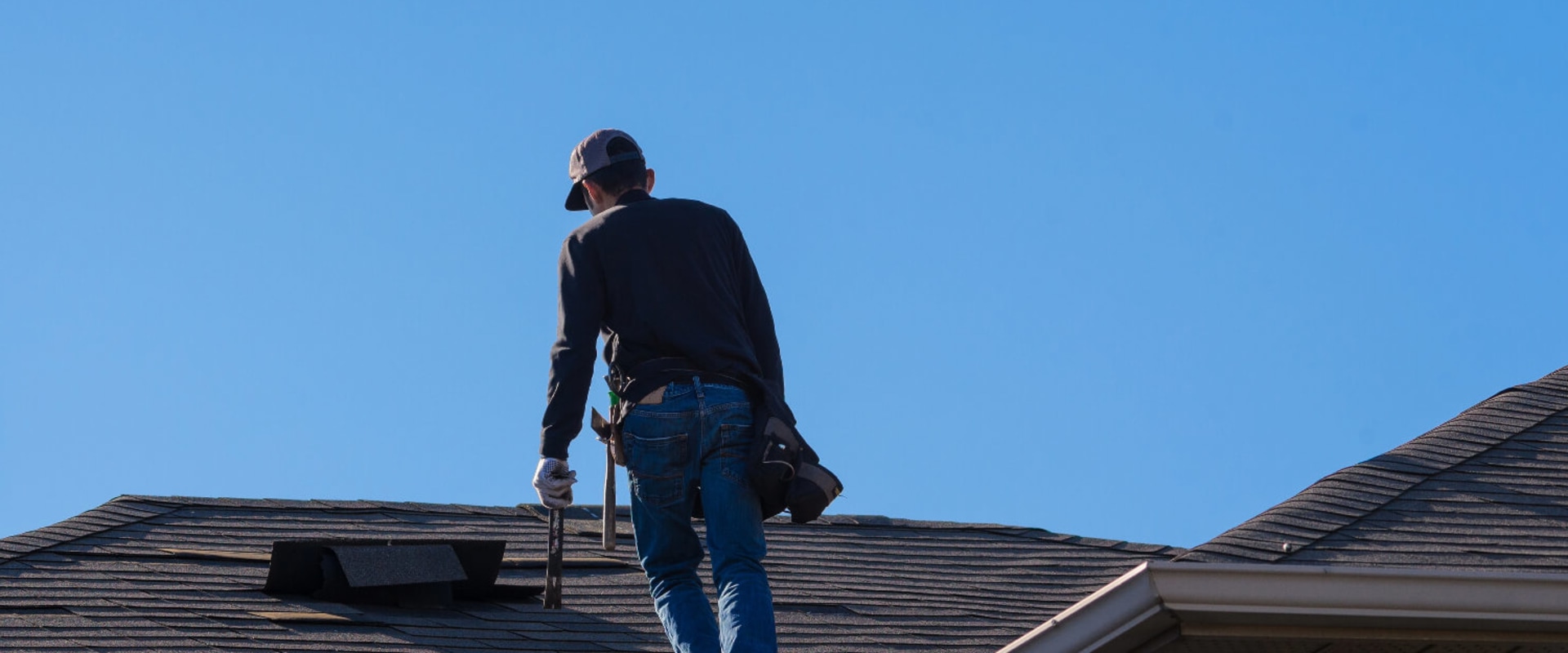
When it comes to safeguarding your home, roof inspections play a crucial role in maintaining the integrity and longevity of one of your most vital assets. A well-maintained roof not only enhances the aesthetic appeal of your home but also ensures the safety and comfort of your family. However, many homeowners overlook the importance of regular checks, often waiting for visible signs of damage before taking action. This can lead to costly repairs and unexpected inconveniences. So, what should you be looking for during an inspection? Understanding the key elements to focus on can make all the difference in identifying potential issues before they escalate.
From assessing shingles and flashing to evaluating gutters and drainage systems, each component plays a pivotal role in the overall health of your roof. In this article, we will explore the key elements to consider during a roof inspection. Whether you are a seasoned DIY enthusiast or a first-time homeowner, our comprehensive guide will equip you with the knowledge you need to conduct thorough inspections, ensuring that your roof remains in top condition year-round. Join us as we delve into the critical aspects of roof maintenance that every homeowner should prioritize. Maintaining the integrity of your home is a priority for every homeowner, and one of the most critical components to inspect regularly is your roof. A well-maintained roof protects your home from the elements, enhances energy efficiency, and adds to your property’s overall value.
However, many homeowners are uncertain about what to look for during an inspection.
What to look for during an inspection
can vary significantly depending on the type of roofing material, the age of the roof, and the specific environmental conditions in your area. In this article, we will explore the key elements to consider during a roof inspection, ensuring that you know exactly how to assess your roof's condition effectively. From identifying common signs of wear and tear to understanding the importance of professional evaluations, we will guide you through the essential steps of a thorough inspection. By arming yourself with knowledge, you can take proactive measures to extend the lifespan of your roof and safeguard your investment. Join us as we delve into the vital aspects of roof inspections that every homeowner should be aware of.Whether you are preparing for a seasonal check-up or suspecting potential issues, this comprehensive guide will equip you with the insights needed to maintain a healthy roof. Regular roof inspections are essential to maintaining the integrity of a home. During a roof inspection, homeowners should focus on several key aspects to ensure their roof remains in good condition. The first step is to understand the specific roofing materials used, as different types have unique characteristics that affect how they should be assessed for wear and damage. Whether you are preparing for a seasonal check-up or suspecting potential issues, this comprehensive guide will equip you with the insights needed to maintain a healthy roof. Regular roof inspections are essential to maintaining the integrity of a home. During a roof inspection, homeowners should focus on several key aspects to ensure their roof remains in good condition. The first step is to understand the specific roofing materials used, as different types have unique characteristics that affect how they should be assessed for wear and damage.
Asphalt shingles
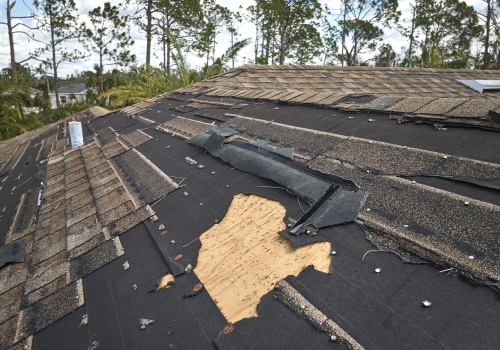
are one of the most common roofing materials. When inspecting asphalt shingles, look for signs of aging such as granule loss.Granules protect the shingles from UV rays, and if they start to wear away, the shingles can become brittle and prone to cracking. Additionally, check for any missing shingles which can lead to leaks and water damage. A visual inspection should also include looking for curling or buckling shingles, which indicate deterioration.
Metal roofs
are known for their durability, but they are not without issues. Rust is a common problem that can compromise the integrity of a metal roof.Inspect seams and fasteners for any signs of rust or corrosion, and look for any loose panels that may have shifted due to high winds. Another important aspect to check is the presence of moss growth, which can trap moisture and lead to further damage.
Tile roofs
, whether made from clay or concrete, require special attention during inspections. Look for cracks in tiles, which can occur due to thermal expansion or impact from debris. Missing tiles should also be replaced promptly to prevent leaks.Additionally, assess the underlayment beneath the tiles, as it plays a crucial role in preventing water infiltration. When performing a visual inspection safely, always use a sturdy ladder and ensure it is placed on stable ground. Avoid walking on the roof unless necessary, as this can cause damage or create safety hazards. Instead, use binoculars to get a closer view of hard-to-reach areas. As you inspect, take note of any potential issues such as flashing that has come loose or deteriorated around chimneys and vents.
Flashing is critical for directing water away from areas where different materials meet. The condition of gutters and downspouts is also an integral part of any roof inspection. Clogged gutters can lead to water pooling on the roof, increasing the risk of leaks and structural damage. Ensure that gutters are clear of debris and that downspouts direct water away from the foundation of the home. Seasonal changes can have a significant impact on roofing integrity. After heavy storms, inspect for any signs of damage such as displaced shingles or granule loss in gutters.
Snow accumulation can also weigh down roofs, particularly flat or low-slope designs; therefore, it is essential to remove snow buildup carefully to prevent structural strain. Look for any leaks that may have developed during winter months and address them promptly. By understanding what to look for during an inspection and being proactive about maintenance, homeowners can save themselves from costly repairs in the long run. Regular inspections not only preserve the lifespan of the roof but also safeguard the home’s overall structure. Regular roof inspections are crucial for maintaining the integrity of a home. They help identify potential issues before they escalate into costly repairs.
Homeowners often underestimate the importance of keeping their roofs in good condition, leading to significant expenses associated with neglecting roof problems. Timely inspections not only save money but also enhance the longevity of roofing materials. When performing a roof inspection, there are several specific aspects to examine. First, consider the type of roofing material installed. Common materials include asphalt shingles, metal roofs, and tile roofs, each with unique characteristics and maintenance requirements.
For example, asphalt shingles can show wear through granule loss, which may indicate that they need replacement. Metal roofs are generally durable but can develop rust or corrosion over time, particularly around seams and flashing. Tile roofs, while long-lasting, can crack or become dislodged due to heavy winds or impacts. To assess each type for wear and damage, start with a visual inspection from the ground if possible. For asphalt shingles, look for signs of curling, cracking, or missing shingles; these issues can lead to leaks if not addressed promptly.
For metal roofs, check for rust spots or any loose panels that could be a sign of underlying issues. With tile roofs, inspect for any cracked or broken tiles that may allow water to penetrate underneath. Performing a visual inspection safely is paramount. Use a sturdy ladder and ensure it is on stable ground when accessing your roof. If you are uncomfortable climbing onto the roof, consider hiring a professional inspector.
While inspecting, look for common signs of damage like missing shingles, moss growth, or rust on metal roofs. Moss can retain moisture against the roofing material, which may accelerate deterioration. During your inspection, pay close attention to flashing around chimneys and vents; damaged flashing can lead to leaks and water damage inside your home. Furthermore, check gutters and downspouts for blockages or signs of water overflow, as this can indicate drainage issues that may affect your roof's integrity. Ensure gutters are securely attached and functioning properly to direct water away from the foundation. Seasonal changes can significantly affect roofing integrity.
After heavy storms, inspect your roof for missing shingles or tiles, as high winds can dislodge them. Snow accumulation can also pose a risk; excessive weight on a roof can lead to structural damage or collapse in extreme cases. Look for signs of ice damming at the edges of your roof after snowfall, which can trap water and lead to leaks inside your home. In summary, understanding what to look for during an inspection is essential in maintaining the longevity of your roof. Whether it's checking for granule loss in asphalt shingles, assessing metal roofs for rust, or ensuring tile roofs are intact, regular inspections allow homeowners to catch problems early before they require expensive repairs.
By being proactive and aware of these key elements during your roof inspection process, you can help ensure that your home remains safe and secure from the elements.
Finding Reliable Contractors
When it comes to roof inspections and subsequent repairs, selecting trustworthy contractors is crucial. Homeowners should prioritize finding professionals who are not only experienced but also reputable in their field. Start by seeking recommendations from friends, family, or neighbors who have recently had roof work done. This personal connection often leads to discovering reliable options. Additionally, check online reviews and ratings on platforms such as Google, Yelp, or the Better Business Bureau.Look for contractors with consistently high ratings and positive feedback regarding their workmanship and customer service. Don't hesitate to ask potential contractors for references from past clients; a reputable professional should readily provide this information. Verify that the contractor is licensed and insured. This not only protects you from liability in case of accidents during the inspection or repair process but also indicates that the contractor adheres to industry standards. Furthermore, it's wise to obtain multiple quotes before making a decision.
This will not only give you a sense of the average cost for the services needed but also allows you to gauge the professionalism and transparency of each contractor. Finally, ensure that any contractor you consider offers a detailed written estimate and warranty for their work. A comprehensive contract protects both parties and clarifies expectations regarding the scope of work, materials used, and timelines. By taking these steps, homeowners can feel confident in choosing a contractor who will provide quality service and protect their investment in their home.
Visual Inspection Techniques
Performing a thorough visual inspection of your roof is crucial for identifying potential issues before they escalate into costly repairs. Here are some safe methods to conduct an effective visual inspection:1.Use a Ladder Safely
: Ensure your ladder is on stable ground and extend it to the roof's edge.Always have someone hold the ladder for added safety. Climb slowly and maintain three points of contact.2.
Inspect from the Ground
: Before climbing, conduct a preliminary inspection from the ground. Look for any visible signs of damage, such as missing shingles, sagging areas, or debris accumulation.3.Employ Binoculars
: If climbing onto the roof isn’t feasible, use binoculars to get a closer look at hard-to-reach areas. This can help you spot issues like cracked flashing or moss growth.4.Check Roof Features
: Pay close attention to features such as chimneys, vents, and skylights.These areas are often prone to leaks and require careful examination for cracks or gaps.5.
Document Findings
: Take pictures of any issues you identify during the inspection. This documentation can be helpful when discussing repairs with a professional.6.Inspect After Severe Weather
: After storms or heavy winds, it's essential to perform an inspection to catch any damage that may have occurred. Look for fallen branches, displaced shingles, or loose materials. By following these methods, homeowners can ensure a comprehensive visual inspection that helps maintain the integrity of their roofs and prevent future problems.Understanding Different Roofing Materials
When conducting a roof inspection, it is essential to recognize that different roofing materials have unique characteristics and specific inspection needs. Understanding these differences can help homeowners identify potential issues early and maintain the longevity of their roofs.Asphalt shingles
are one of the most common roofing materials.During an inspection, look for signs of curling, cracking, or missing shingles. These issues can lead to leaks if not addressed promptly. Additionally, check for granule loss, which can indicate that the shingles are nearing the end of their lifespan.
Metal roofs
are known for their durability, but they also require specific inspection attention. Inspect for rust spots or corrosion, especially around seams and fasteners.Ensure that the flashing is intact and that there are no loose panels which could be dislodged by strong winds.
Tile roofs
, often made from clay or concrete, are durable but can be prone to cracks or breakage. Inspect each tile carefully for any signs of damage. Additionally, pay attention to the underlayment, as it plays a crucial role in water protection.Wood shingles
and shakes provide a natural aesthetic but require regular inspections to prevent rot and mold growth. Look for signs of moisture damage and ensure that there are no missing or damaged pieces.Flat roofs
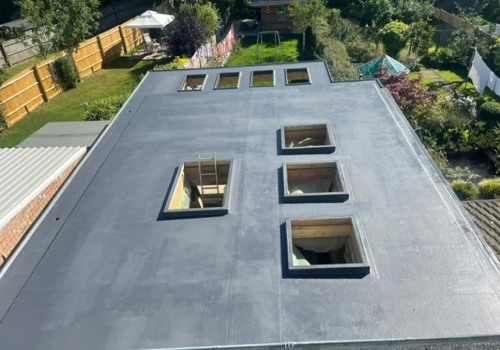
, typically made from materials like EPDM or TPO, need special attention as they are more susceptible to pooling water.During inspections, check for blisters, punctures, or areas where the material may have separated from the edges. Understanding the specific needs of each roofing material during inspections can help homeowners maintain their roofs effectively and avoid costly repairs down the line.
Maintenance Tips Post-Inspection
After completing a roof inspection, it’s essential to take proactive steps to maintain your roof's integrity. Here are some critical maintenance tasks that should follow an inspection:1.Address Any Identified Issues: If the inspection has revealed any problems such as leaks, missing shingles, or damaged flashing, prioritize these repairs. Ignoring these issues can lead to more significant damage and costly repairs down the line.2.Clean Gutters and Downspouts:
Regularly cleaning your gutters and downspouts is crucial to prevent water buildup on your roof. Clogged gutters can lead to water damage and leaks, so ensure they are free of debris after every inspection.3.Trim Overhanging Branches:
Trees that hang over your roof can cause damage during storms or high winds.Trim any branches that could potentially fall on your roof, ensuring that leaves do not accumulate in your gutters.
4.Check for Moss and Algae Growth:
If you notice any moss or algae growth during your inspection, take steps to remove it. This growth can retain moisture and lead to decay. Using a mixture of water and bleach can effectively kill the algae, but be cautious about the impact on surrounding plants.5.Inspect Flashing and Seals:
Ensure that all flashing around chimneys, vents, and skylights is intact. Damaged seals can allow water to penetrate beneath the roof surface, leading to potential leaks.6.Schedule Regular Follow-Up Inspections:
After addressing immediate concerns, plan for regular follow-up inspections.This proactive approach will help catch any new issues early and maintain the overall health of your roof. By following these maintenance tips post-inspection, homeowners can significantly extend the lifespan of their roofs while avoiding costly repairs associated with neglecting minor issues.
Visual Inspection Techniques
Performing a thorough visual inspection of your roof is essential for identifying potential issues before they escalate into costly repairs. Here are some safe methods to conduct a visual inspection:First, always ensure your safety by using a sturdy ladder. Position the ladder on a stable surface, and do not lean it against the gutter, as this could cause it to bend or break. Make sure to have a spotter if possible, to help keep the ladder steady. Next, begin your inspection from the ground.Use binoculars to look for obvious signs of damage such as missing shingles, sagging sections, or discoloration. This method allows you to assess the roof without the risks associated with climbing. If you decide to get on the roof, wear appropriate footwear with good traction. Always walk along the roof's edges and ridges where the structure is most secure. Avoid walking on soft spots or areas that appear damaged. While inspecting, look for common issues such as loose or missing shingles, rust on metal roofs, and debris accumulation in valleys and gutters that may cause water to pool.
Check flashing around chimneys and vents for signs of deterioration. Don’t forget to inspect the underside of your roof if you have access to the attic. Look for signs of water damage, mold growth, or light coming through any gaps which may indicate roof leaks. Finally, document any findings with photographs for future reference or professional evaluation. This detailed record will be valuable when discussing repairs with contractors.
Common Signs of Damage
Homeowners should be vigilant about their roofs, as several common signs of damage can indicate underlying issues. Recognizing these signs early can prevent costly repairs and ensure the longevity of your roof. One of the first indicators of potential roofing problems is the presence of leaks.Stains on ceilings or walls, particularly after heavy rainfall, can suggest that water is penetrating the roof material. Homeowners should also check for any visible water pooling in areas where it shouldn’t be. Another sign to look out for is missing or damaged shingles. Wind, hail, and other severe weather conditions can dislodge or break shingles, leaving sections of the roof exposed to the elements. Regularly inspecting your roof for these damaged areas is crucial.
Granule loss
from shingles is another common issue.If you notice excessive granules in your gutters or downspouts, it may indicate that your shingles are deteriorating and losing their effectiveness. A sagging roofline can also be a significant warning sign of structural problems. If your roof appears uneven or has dips and valleys, it may suggest that the underlying support system has been compromised. Additionally, homeowners should be aware of moss and algae growth. While not always a sign of damage, excessive growth can trap moisture against the roof’s surface, leading to deterioration over time. Lastly, keep an eye on flashing issues, particularly around chimneys and vents. Damaged or corroded flashing can allow water to seep in, causing leaks and further damage to your roof structure. By being proactive and aware of these common signs of damage, homeowners can address potential roofing issues before they escalate into major problems.
Finding Reliable Contractors
Choosing the right contractor for roof inspections and repairs is crucial for ensuring the longevity and safety of your home.Trustworthy contractors not only provide quality work but also offer peace of mind during a potentially stressful process. Here are some essential tips to help you select reliable professionals:First, research potential contractors thoroughly. Look for local companies with good reputations. Check online reviews and ratings on platforms such as Google, Yelp, or Angie's List.
Personal recommendations from friends or family can also be invaluable in finding reputable contractors. Next, always verify that the contractor is licensed and insured. A valid license ensures that the contractor meets the state’s standards for quality and safety. Insurance protects you from liability in case of accidents during the project. Request multiple quotes from different contractors to compare pricing and services. Be wary of estimates that seem unusually low, as they may indicate subpar materials or workmanship.
A reliable contractor will provide a detailed written estimate that outlines the scope of work, materials used, and timeline. Additionally, ask for references from past clients. Speaking with previous customers can give you insights into the contractor's reliability, work quality, and overall professionalism. Don’t hesitate to reach out to these references to inquire about their experiences. Finally, trust your instincts. If a contractor seems evasive or unprofessional during your interactions, it may be best to look elsewhere.
A reputable contractor should communicate clearly, answer your questions, and make you feel comfortable throughout the inspection process.
Common Signs of Damage
Homeowners should be vigilant in identifying common signs of roofing issues that may indicate a need for inspection. One of the most noticeable signs is the presence of leaks. Water stains on ceilings or walls can suggest that your roof is compromised and allowing moisture to infiltrate your home. Another indication of potential problems is the appearance of missing or damaged shingles. Shingles that are cracked, curled, or completely absent can expose the underlying roofing materials to the elements, increasing the risk of serious damage. Additionally, homeowners should look for granule loss from shingles, which can be observed in gutters or downspouts.This loss can affect the roof's ability to protect against UV rays and weather conditions. Aging roofs are also a concern; if your roof is over 20 years old, you should be particularly attentive to signs of aging, such as worn-out flashing or sagging areas. These issues can lead to more significant problems if not addressed promptly. Lastly, keep an eye out for moss or algae growth. While they may seem harmless, these organisms can trap moisture against the roof's surface and lead to deterioration over time.
Understanding Different Roofing Materials
When it comes to roof inspections, understanding the different roofing materials is crucial, as each type has its own unique inspection requirements. Homeowners should be aware of how these materials respond to various environmental factors and the specific issues that may arise over time.Asphalt shingles
are one of the most common roofing materials.During an inspection, look for curling, cracking, or missing shingles, as these can indicate wear and tear. Additionally, check for granule loss, which can expose the underlying layers to moisture and potential leaks.
Metal roofs
, known for their durability, also require specific inspections. Inspectors should look for rust spots, loose seams, and signs of corrosion. Additionally, ensure that the fasteners are secure and that there are no dents or damages caused by severe weather conditions.Tile roofs
, often made from clay or concrete, can last a long time but may have unique issues.It's important to check for broken or cracked tiles, which can lead to leaks. Inspecting the underlayment beneath the tiles is also essential to ensure it remains intact and effective.
Wood shingles
and shakes can provide a beautiful aesthetic but require careful inspection due to their susceptibility to rot and insect damage. Look for signs of mold, decay, or insect infestations, and ensure that proper ventilation is maintained to reduce moisture buildup.Flat roofs
, commonly found in commercial buildings but also used in residential areas, need special attention. Inspectors should check for pooling water, blisters, or cracks in the membrane.Regular checks for debris accumulation are also vital, as this can lead to drainage issues. By understanding the specific inspection needs of each roofing material, homeowners can take proactive steps in maintaining their roofs. This knowledge not only helps in identifying potential problems early but also ensures that the home remains protected from the elements.
Maintenance Tips Post-Inspection
Once your roof inspection is complete, it’s crucial to follow up with appropriate maintenance tasks to ensure the longevity and integrity of your roof. Here are some essential tips:1.Address Any Issues Promptly: If the inspection reveals any problems, such as missing shingles, leaks, or signs of water damage, make it a priority to address these issues. Timely repairs can prevent more significant damage and costly repairs down the line.2.Clean Gutters and Downspouts:
Ensure that your gutters and downspouts are free from debris.Clogged gutters can lead to water pooling on the roof, which can cause leaks and other structural issues. Regular cleaning is essential after inspections.
3.Trim Overhanging Branches:
If there are trees near your home, trim any overhanging branches that could potentially fall on the roof during storms or high winds. This preventive measure helps avoid physical damage to your roofing materials.4.Maintain Roof Flashing:
Check the flashing around chimneys, vents, and skylights for any signs of wear or damage. Properly maintained flashing is crucial in preventing leaks and ensuring that water is directed away from critical areas.5.Schedule Routine Inspections:
After an initial inspection, consider setting a schedule for regular roof checks—ideally twice a year and after major storms.Consistent monitoring can help catch minor issues before they escalate.
6.Consider Professional Maintenance:
Depending on the findings of your inspection, it might be beneficial to hire a professional roofing service for maintenance tasks that require specialized skills or equipment. By following these maintenance tips post-inspection, homeowners can significantly extend the life of their roofs while safeguarding their homes from potential damage.Regular roof inspections
are essential in preserving the integrity of your home and ensuring the longevity of your roofing system. By being proactive and scheduling these inspections, homeowners can identify potential issues early and avoid costly repairs down the line. Neglecting roof maintenance can lead to significant financial burdens, as well as safety risks associated with leaks and structural damage. Common concerns such as weather damage, aging materials, and leaks should prompt homeowners to take action. By understanding the signs of damage and utilizing effective visual inspection techniques, you can stay ahead of potential problems.Following up with maintenance tips post-inspection will also help in keeping your roof in optimal condition. Remember, if you ever feel uncertain about the state of your roof, do not hesitate to seek professional help. Finding reliable contractors ensures that you receive expert advice tailored to your specific needs. Ultimately, prioritizing regular inspections not only protects your investment but also enhances the safety and comfort of your home.
Regular roof inspections
are essential for maintaining the overall integrity of your home. By proactively identifying potential issues, homeowners can prevent minor problems from escalating into major repairs that could incur significant costs. Neglecting roof maintenance can lead to unexpected expenses and safety hazards, making it crucial to stay ahead of any roofing concerns.Scheduling inspections regularly not only protects your investment but also ensures a safe living environment. Additionally, when you notice signs of damage or wear, don’t hesitate to seek professional help. The financial and safety benefits of addressing roofing issues promptly cannot be overstated. By taking these proactive steps, you are investing in the longevity and value of your home.