When it comes to roofing options, flat roofs are often chosen for their modern aesthetic and practicality, particularly in urban environments where various types of people use coworking spaces. However, while these roofs can provide a sleek and functional surface, they are not without their challenges. Homeowners and property managers alike must be aware of the are often chosen for their modern aesthetic and practicality, particularly in urban environments where various types of people use coworking spaces. However, while these roofs can provide a sleek and functional surface, they are not without their challenges. Homeowners and property managers alike must be aware of the common issues with flat roofs that can arise over time. From drainage problems to material degradation, understanding these potential pitfalls is essential for maintaining the integrity of your building. Flat roofing systems, unlike their pitched counterparts, are designed to offer a minimal slope, which can lead to a variety of concerns if not properly installed or maintained.
Water pooling, inadequate insulation, and increased vulnerability to weather damage are just a few of the issues that can compromise the longevity and performance of these roofs. As we delve into this article, we aim to shed light on these frequent complications, offering insights into their causes and solutions. Whether you’re considering a new flat roofing installation or looking to extend the life of your existing roof, being informed about these common problems will empower you to make better decisions. Join us as we explore the nuances of flat roofing systems and equip yourself with the knowledge needed to safeguard your investment. Flat roofs have become increasingly popular in both residential and commercial properties due to their modern aesthetic and the functional space they offer. However, while flat roofing systems present unique advantages, they also come with a range of common issues that homeowners must consider.
Understanding these problems is crucial for maintaining the integrity and longevity of flat roofs. One of the most prevalent issues with flat roofs is water pooling. Unlike sloped roofs where water runs off easily, flat roofs can trap water in certain areas, especially if there are dips or depressions. This stagnant water can lead to leaks and cause significant damage over time. For example, if a flat roof is not properly sloped towards drainage points, it may accumulate rainwater, which can wear down roofing materials and ultimately lead to leaks inside the building.
The primary causes of water pooling include inadequate drainage systems, improper installation, and debris accumulation blocking the drainage outlets. Another significant concern is membrane damage. Many flat roofs are covered with a waterproof membrane that protects against the elements. However, this membrane can be susceptible to punctures, tears, and degradation from UV exposure. For instance, TPO (Thermoplastic Polyolefin) membranes are known for their energy efficiency but can become brittle over time, leading to cracks.
Similarly, EPDM (Ethylene Propylene Diene Monomer) membranes, while durable, may experience wear and tear due to environmental stressors. If membrane damage is not addressed promptly, it can result in leaks that compromise the entire roofing system.
Poor drainage
is closely related to both water pooling and membrane damage. Insufficient drainage systems can exacerbate water accumulation on flat roofs, leading to increased pressure on the roofing materials. Clogged gutters or downspouts can also contribute to this issue.Homeowners should regularly inspect their drainage systems to ensure they are free from blockages and functioning correctly.
Structural problems
can also arise with flat roofing systems, particularly if the underlying structure is not designed to support the weight of accumulated water or snow. Over time, excessive weight can lead to sagging or even collapse in severe cases. It’s essential to assess the structural integrity of a building before installing a flat roof and ensure that it meets the necessary load-bearing requirements. If these common issues are not addressed promptly, they can lead to more significant damage. For example, prolonged water pooling can result in mold growth or rot within the building's structure, potentially necessitating costly repairs or replacements.Additionally, structural problems can compromise safety and require extensive renovations. Cleaning gutters and drains regularly will help avoid clogs that could lead to poor drainage and water pooling. Additionally, addressing minor repairs as soon as they are identified can prevent them from escalating into more significant issues. Ultimately, it comes down to understanding the specific challenges associated with flat roofing systems and taking proactive measures to mitigate risks.Finding Reliable Contractors
When it comes to maintaining or installing a flat roof, finding reliable contractors is crucial.Trustworthy roofing contractors
not only ensure quality work but also help in prolonging the lifespan of your roof. Here are some tips to consider:Firstly, start by asking for recommendations from friends, family, or neighbors who have had similar work done. Personal experiences can guide you towards reputable contractors.
Additionally, utilize online resources such as local forums and review sites to gauge contractor reliability. Look for contractors with positive reviews and feedback that specifically mention their experience with flat roofs. Next, check the credentials of the contractors you are considering. Ensure they are licensed, insured, and have the necessary certifications for flat roofing systems. A well-established contractor should also be willing to provide references from past clients. When obtaining estimates, it’s essential to compare multiple quotes.
Pay attention to the details in each estimate: materials used, labor costs, and warranty options. A reliable contractor will provide a clear breakdown of costs and explain their methodology for the project. Lastly, trust your instincts during the hiring process. If a contractor seems evasive or fails to answer your questions satisfactorily, it may be best to look elsewhere. Investing time in finding the right contractor can save you from future headaches and costly repairs.
Structural Issues
Flat roofs are often designed with a slight pitch to facilitate water drainage, but even the best-designed roofs can experience structural deficiencies.These deficiencies can arise from various factors, including improper installation, aging materials, and environmental stressors. One common manifestation of structural problems in flat roofs is the presence of sagging or uneven surfaces. Homeowners may notice that certain areas of the roof appear to dip or bow, which can indicate underlying issues with the supporting structure. Additionally, cracks or splits in the roofing membrane may develop as a result of inadequate support. Another sign of potential structural problems is the accumulation of standing water, often referred to as ponding. This occurs when water does not drain properly and remains on the roof for extended periods.
Ponding can add significant weight to the roof and contribute to further structural degradation over time. It is crucial for homeowners to be vigilant and recognize these signs early on. Seeking a professional assessment is essential when any structural issues are suspected. Trained roofing professionals can conduct thorough inspections to determine the extent of any damage and recommend appropriate repair or maintenance solutions. Addressing structural deficiencies promptly not only helps to preserve the integrity of the flat roofing system but also extends its lifespan, ultimately saving homeowners from costly repairs down the line.
Cost Considerations
When it comes to maintaining a flat roof, understanding the cost considerations involved is crucial for homeowners and property managers alike.Flat roofs are generally less expensive to install than sloped roofs, but they can present unique challenges that lead to significant repair and replacement costs over time. One of the primary factors influencing the cost of flat roof repairs is the type of material used. Common materials for flat roofing include EPDM, TPO, PVC, and modified bitumen, each with different price points and lifespans. For instance, while EPDM is often the most economical option upfront, its long-term durability can make it more cost-effective in the long run. Labor costs can also vary significantly depending on the complexity of the repair or replacement. If the flat roof has underlying issues such as water damage or structural problems, these will need to be addressed before any new roofing can be installed, further increasing expenses. Additionally, geographic location plays a role in pricing.
Regions prone to extreme weather conditions may require more robust roofing solutions, leading to higher material and labor costs. It's also important to consider potential warranty costs, as some materials come with extended warranties that could influence initial pricing but save money in the long run. Ultimately, while flat roofs can offer a cost-effective solution for many properties, it is essential to budget for both routine maintenance and unexpected repairs to ensure their longevity and performance.
Water Pooling and Drainage Problems
Water pooling is one of the most significant concerns associated with flat roofs. Unlike pitched roofs, which allow water to run off easily, flat roofs are prone to collecting water in low-lying areas. This accumulation can lead to various issues, including leaks, structural damage, and even the growth of mold and mildew. The primary cause of water pooling is improper drainage.When a flat roof does not have an adequate drainage system in place, rainfall can accumulate and create stagnant water. Over time, this can weaken the roofing materials and compromise the integrity of the roof. To combat these problems, it is essential to install proper drainage systems. These may include scuppers, internal drains, or a combination of both. Scuppers are openings that allow water to flow off the roof's edge, while internal drains direct water to a designated area where it can be channeled away from the building.
Additionally, ensuring that the roof has a slight slope can help facilitate water runoff. Regular maintenance and inspection are also crucial in preventing water pooling. Homeowners should periodically check for debris or blockages in drainage systems, as these can significantly hinder water flow. By addressing these issues promptly and implementing effective drainage solutions, homeowners can help maintain the longevity and integrity of their flat roofing systems.
Membrane Damage
Flat roofs are often covered with various types of membranes that serve as a barrier against water and other environmental elements. However, these membranes can be susceptible to damage due to several factors.Weather conditions such as intense heat, heavy rainfall, and freezing temperatures can lead to wear and tear over time. UV radiation from the sun can degrade the membrane material, causing it to become brittle and more prone to cracking. In addition to weather-related issues, foot traffic on flat roofs can also result in significant damage. When people walk on the roof, especially if they are not wearing proper footwear or if they are carrying heavy objects, they can inadvertently puncture or tear the membrane. This is particularly concerning for maintenance workers who may need to access the roof regularly. Moreover, debris such as branches, leaves, and other materials can accumulate on flat roofs.
This debris can trap moisture against the membrane, leading to mold growth and further deterioration. If left unaddressed, these issues can result in leaks and costly repairs. To address membrane damage, homeowners should consider regular inspections of their flat roofs. Identifying small issues early on can prevent them from escalating into major problems. For minor tears or punctures, there are various repair options available, including patching with compatible membrane materials or using sealants designed for flat roofing systems. Preventative measures are equally important.
Homeowners can minimize foot traffic on their roofs by clearly marking pathways for maintenance crews. Additionally, installing protective features such as walkways or mats can help distribute weight and reduce the risk of damage. Regularly clearing debris and maintaining proper drainage will also help prolong the lifespan of the roofing membrane and maintain its integrity.
Maintenance Tips
Maintaining a flat roof is crucial for ensuring its longevity and performance. Homeowners can take several proactive steps to keep their flat roofs in optimal condition.Regular Inspections:
Schedule routine inspections at least twice a year, ideally in the spring and fall.During these inspections, look for signs of wear, such as cracks, blisters, or pooling water. Early detection of issues can prevent more significant problems down the line.
Debris Removal:
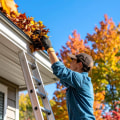
Keep the roof surface clear of debris, including leaves, branches, and dirt. Accumulated debris can hold moisture and lead to mold growth or deterioration of roofing materials. Regularly clean gutters and downspouts to ensure proper drainage.Check for Ponding Water:
After heavy rain, inspect your flat roof for areas where water may collect.Ponding water can cause leaks and damage over time. If you notice persistent ponding, consider consulting a professional to evaluate drainage solutions.
Sealant Maintenance:
Inspect and maintain any sealants around roof penetrations, such as vents and skylights. Over time, sealants can degrade and may need to be reapplied to prevent leaks.Professional Maintenance:
Consider hiring a professional roofing contractor for a thorough inspection and maintenance check every few years. They can identify potential issues that may not be visible to the untrained eye and provide necessary repairs. By implementing these proactive maintenance strategies, homeowners can significantly prolong the life of their flat roofs and ensure they continue to provide reliable protection for their properties. In conclusion, understanding the common issues with flat roofs is crucial for homeowners and property managers alike.Throughout this article, we have highlighted key challenges such as water pooling and drainage problems, membrane damage, and structural issues. Each of these factors can significantly impact the longevity and performance of flat roofing systems. Regular maintenance is essential to identify and address these issues early, preventing costly repairs in the future. We encourage readers to conduct regular inspections of their flat roofs and to stay vigilant for any signs of wear or damage. Consulting with reliable contractors can provide valuable insights and expertise in maintaining the integrity of your roofing system.
By taking proactive steps in maintenance and repairs, you can ensure that your flat roof remains a functional and durable component of your property.