As a homeowner, maintaining the integrity of your property is crucial, and one of the most overlooked areas is the ceiling.
Checking interior ceilings for leaks
is not just about aesthetics; it’s about preserving the safety and value of your home. A small leak can lead to extensive damage, mold growth, and costly repairs if left unaddressed. Understanding how to identify potential leaks can save you time and money in the long run. In this article, titled Identifying and Addressing Ceiling Leaks: A Homeowner's Insight, we will explore the signs of ceiling leaks, the importance of regular inspections, and practical tips for addressing any issues that may arise.Whether you are a seasoned homeowner or new to property management, being proactive in checking your ceilings can prevent minor problems from escalating into major headaches. Join us as we delve into essential inspection techniques and strategies that can help you safeguard your home’s interior. With the right knowledge and tools, you’ll be equipped to tackle ceiling leaks effectively, ensuring that your living space remains safe, dry, and comfortable for years to come. Maintaining a safe and dry home environment is crucial for any homeowner. One of the most critical aspects of home maintenance is checking interior ceilings for leaks. Ignoring these leaks can lead to significant issues, such as mold growth, which can pose health risks, and structural damage, which can lead to costly repairs.
By understanding the common causes of ceiling leaks and knowing how to inspect for them, homeowners can save themselves time and money in the long run. Ceiling leaks can arise from various sources, with some of the most common being roof damage, plumbing issues, and condensation. Roof damage often occurs due to severe weather, fallen branches, or general wear and tear over time. When shingles are missing or damaged, water can seep through and cause leaks in the interior ceilings. Plumbing issues can also contribute to leaks; for instance, if a pipe running through the ceiling bursts or leaks, it can lead to water pooling above the ceiling.
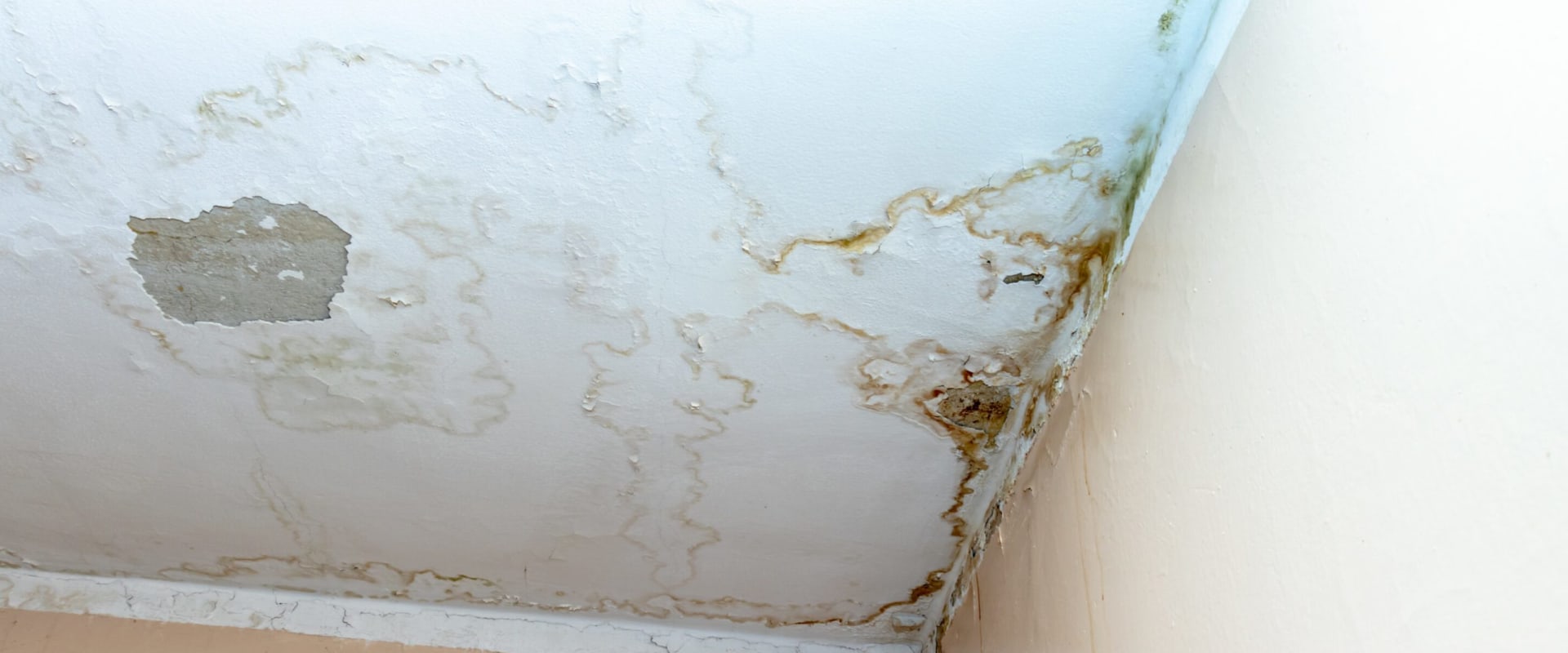
Lastly, condensation can occur in areas with poor ventilation or extreme temperature differences, leading to moisture accumulation that may eventually result in leaks. To visually inspect ceilings for signs of water damage, homeowners should look for several indicators. Common signs include Lastly, condensation can occur in areas with poor ventilation or extreme temperature differences, leading to moisture accumulation that may eventually result in leaks. To visually inspect ceilings for signs of water damage, homeowners should look for several indicators. Common signs include stains, which may appear as brown or yellow spots on the ceiling surface; discoloration, which may indicate the presence of moisture; and sagging, which suggests that water has pooled in one area and is weighing down the ceiling material. These visual cues can provide critical information about the health of your home’s interior. Conducting a thorough inspection requires a systematic approach. Start by gathering some essential tools: a flashlight to illuminate dark corners, a moisture meter to detect hidden dampness, and possibly a ladder for accessing higher ceilings.
Begin your inspection by examining the ceiling in well-lit areas and using your flashlight to look for any irregularities. Move systematically through each room, checking corners, around light fixtures, and near any plumbing fixtures that might be present. If you notice any stains or sagging areas, use the moisture meter to determine if there is excessive moisture present. While checking the interior ceilings is vital, it’s equally important to assess the roof from the exterior. Homeowners should look for missing or damaged shingles, visible holes, and debris buildup in gutters that might impede drainage.
These issues can provide clues about potential water entry points that could affect your ceilings. Real-life scenarios illustrate how early detection of ceiling leaks can save homeowners from expensive repairs. For instance, one homeowner noticed a small brown spot on their living room ceiling while performing their regular cleaning. Instead of ignoring it, they decided to investigate further. Upon inspection of their roof, they discovered several damaged shingles that had been dislodged during a recent storm.
By addressing the roof issue promptly, they avoided further water damage and costly repairs related to mold removal and structural work. Some homeowners may feel unqualified to perform inspections themselves and may hesitate to take action. It’s important to remember that while basic inspections can be done by most individuals, there are situations where it’s best to call in a professional. If you encounter extensive damage or if you’re unsure about what you’re seeing during your inspection, don’t hesitate to reach out to a qualified contractor or inspector who specializes in roofing or water damage. They have the experience and tools necessary to address complex issues safely. In conclusion, regularly checking interior ceilings for leaks is an essential part of home maintenance that can prevent more severe problems down the line.
By understanding common causes of leaks, knowing what signs to look for during inspections, and recognizing when it’s time to call in a professional, homeowners can maintain their homes effectively while ensuring a safe environment for their families.
Preventive Maintenance Tips
To ensure the longevity of your home and to avoid the costly repercussions of leaks, regular maintenance is key. One of the most effective strategies is to schedule regular roof inspections. These inspections should be conducted at least twice a year, ideally in the spring and fall, to catch any potential issues before they escalate. During these inspections, look for missing or damaged shingles, signs of wear around flashing, and any debris that may have accumulated. Addressing these issues early can prevent leaks from developing and save you significant repair costs later. Another crucial element of preventive maintenance is gutter cleaning.Clogged gutters can cause water to overflow, leading to water damage both inside and outside your home. It's recommended to clean your gutters at least twice a year, ensuring that they are free from leaves, twigs, and other debris. This simple task helps redirect water away from your roof and foundation, significantly reducing the risk of leaks. Additionally, consider installing gutter guards to minimize debris accumulation and make maintenance easier. By implementing these preventive measures, homeowners can maintain a safe and dry environment while protecting their investment.
When to Seek Professional Help
While many homeowners can conduct a basic inspection for leaks, there are certain situations where professional assessment becomes necessary.If you notice significant discoloration, peeling paint, or sagging ceilings, it may indicate a more serious issue that requires expert evaluation. Additionally, if leaks persist despite your efforts to repair them, it is crucial to seek help from a qualified contractor. Another scenario that warrants professional intervention is when the leak originates from plumbing or HVAC systems. These systems can be complex, and improper handling may exacerbate the problem. Professionals have the tools and expertise to diagnose and address these issues safely. When searching for reliable contractors, start by asking friends or family for recommendations.
Online reviews and ratings can also provide insight into a contractor's reputation. Ensure that any professional you consider is licensed and insured, as this protects you from liability in case of accidents during repairs. Obtaining multiple quotes can help you gauge the fair market price for your specific situation. Finally, don't hesitate to ask contractors about their experience with similar issues and request references from previous clients. This due diligence ensures that you select a skilled professional who can effectively address your leak concerns.
Common Signs of Ceiling Leaks
Identifying ceiling leaks early can prevent significant damage to your home.Homeowners should be vigilant and look for common signs of ceiling leaks that may indicate underlying issues. One of the most noticeable indicators is the presence of stains on the ceiling. These stains often appear as brown or yellowish spots and can vary in size. They usually indicate that water has been seeping through the ceiling, potentially from a roof leak or plumbing issue above. Another visual cue is peeling paint or wallpaper. When moisture accumulates, it can cause paint to bubble or peel away from the surface, signaling that there is a leak that needs to be addressed.
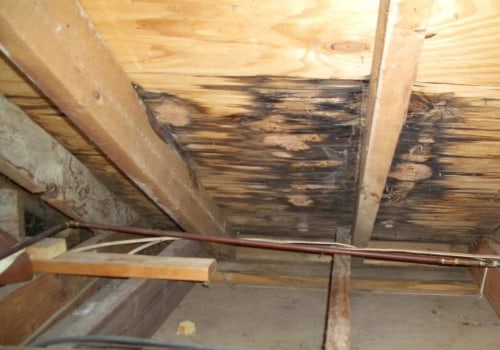
This not only detracts from the aesthetic appeal of your home but also suggests that water damage could worsen if not taken care of. Additionally, homeowners should keep an eye out for mold growth, which can thrive in damp environments. If you notice any dark spots or fuzzy patches on the ceiling or walls, it's essential to investigate further as this could pose health risks to you and your family. Lastly, if you hear dripping sounds or notice a musty odor in certain areas of your home, these could also be indicators of a hidden leak. It's crucial to address these signs promptly to maintain a safe and dry living environment.
Understanding Roof-Related Issues
Roof conditions play a crucial role in the overall integrity of your home, and any issues with the roof can directly affect your interior ceilings. When a roof is compromised, whether through age, weather-related damage, or poor installation, it can lead to a cascade of problems that manifest on the interior. One of the primary issues to look for is water intrusion.This can happen due to missing shingles, cracked flashing, or damaged gutters. When water seeps through these vulnerabilities, it can travel down to your ceilings, leading to stains, peeling paint, or even sagging. These signs are not just cosmetic; they indicate potential structural damage that could worsen over time. Additionally, ice dams can form in colder climates when heat from your home melts snow on the roof, causing it to refreeze at the eaves. This creates a barrier that traps water and forces it back under shingles, which can then leak into your living space.
Homeowners should be vigilant about checking for these conditions, especially after heavy snowfall or rain. Another important issue is ventilation. Poor ventilation in the attic can lead to moisture buildup, which may not only affect your roof but also cause mold and mildew to flourish in your interior ceilings. Ensure that your attic has adequate ventilation to prevent this buildup and protect both your roof and your home’s interior. By understanding these roof-related issues, homeowners can take proactive steps in their maintenance routine. Regular inspections and addressing minor problems before they escalate will help ensure that both your roof and interior ceilings remain in excellent condition.
Conducting an Effective Inspection
To ensure that your home remains a safe and dry haven, it is essential to perform a thorough inspection of your interior ceilings.Here are the steps involved in conducting an effective inspection for leaks:1.Visual Inspection: Begin by examining your ceilings for any visible signs of damage. Look for water stains, discoloration, or sagging areas that could indicate a leak. Pay special attention to the corners where the ceiling meets the walls, as these are common areas for water intrusion.
2.Check for Mold:
Inspect the ceiling for any signs of mold growth, which can develop in damp conditions. If you notice dark spots or a musty odor, it could be a sign of a hidden leak that needs immediate attention.3.Assess Surrounding Areas:
Evaluate areas adjacent to the ceiling, such as the attic or upper floors.Look for signs of moisture on beams or insulation that may suggest leaks originating from above.
4.Use Tools for Detection:
For a more thorough assessment, consider using tools such as a moisture meter or thermal imaging camera. A moisture meter can help determine if there is excess moisture within the ceiling material, while a thermal imaging camera can reveal temperature differences that may indicate water presence.5.Document Findings:
As you conduct your inspection, take notes and photographs of any areas of concern. This documentation can be invaluable when addressing potential leaks or when consulting with a professional. By following these steps and being proactive in your inspections, you can identify potential issues early and take the necessary actions to maintain the integrity of your home. In conclusion, regularly inspecting for ceiling leaks is an essential practice for every homeowner. As discussed, identifying common signs of ceiling leaks can prevent further damage and save significant costs in repairs.By conducting an effective inspection and understanding the potential roof-related issues, you can ensure the longevity of your home. If you encounter serious problems, knowing when to seek professional help is crucial. Additionally, incorporating preventive maintenance tips can safeguard your living space from future leaks. By taking these proactive steps, you not only protect your investment but also maintain a safe and healthy environment for you and your family. Make it a priority to check your ceilings regularly and stay ahead of any potential issues.