When it comes to maintaining the integrity of your home, effective sealing and waterproofing techniques for roofs play a pivotal role. A roof is your first line of defense against the elements, and without proper sealing, even the most robust roofing materials can succumb to water damage, leading to costly repairs and diminished structural integrity. Understanding how to implement these techniques effectively can not only extend the life of your roof but also enhance energy efficiency, preventing unwanted heat loss in winter and reducing cooling costs in summer. In this article, we will explore various sealing and waterproofing techniques that are essential for any roofing project. From traditional methods that have stood the test of time to innovative solutions that leverage modern technology, our aim is to equip you with the knowledge necessary to protect your investment.
Whether you are a homeowner looking to tackle a DIY project or a professional in the roofing industry seeking to refine your skills, the information presented here will guide you through the best practices and considerations for effective roof sealing. Join us as we delve deeper into the world of roofing maintenance, ensuring that your home remains dry and secure against nature's unpredictable forces. Discover how simple yet effective techniques can make a significant difference in safeguarding your property.
Sealing and waterproofing techniques
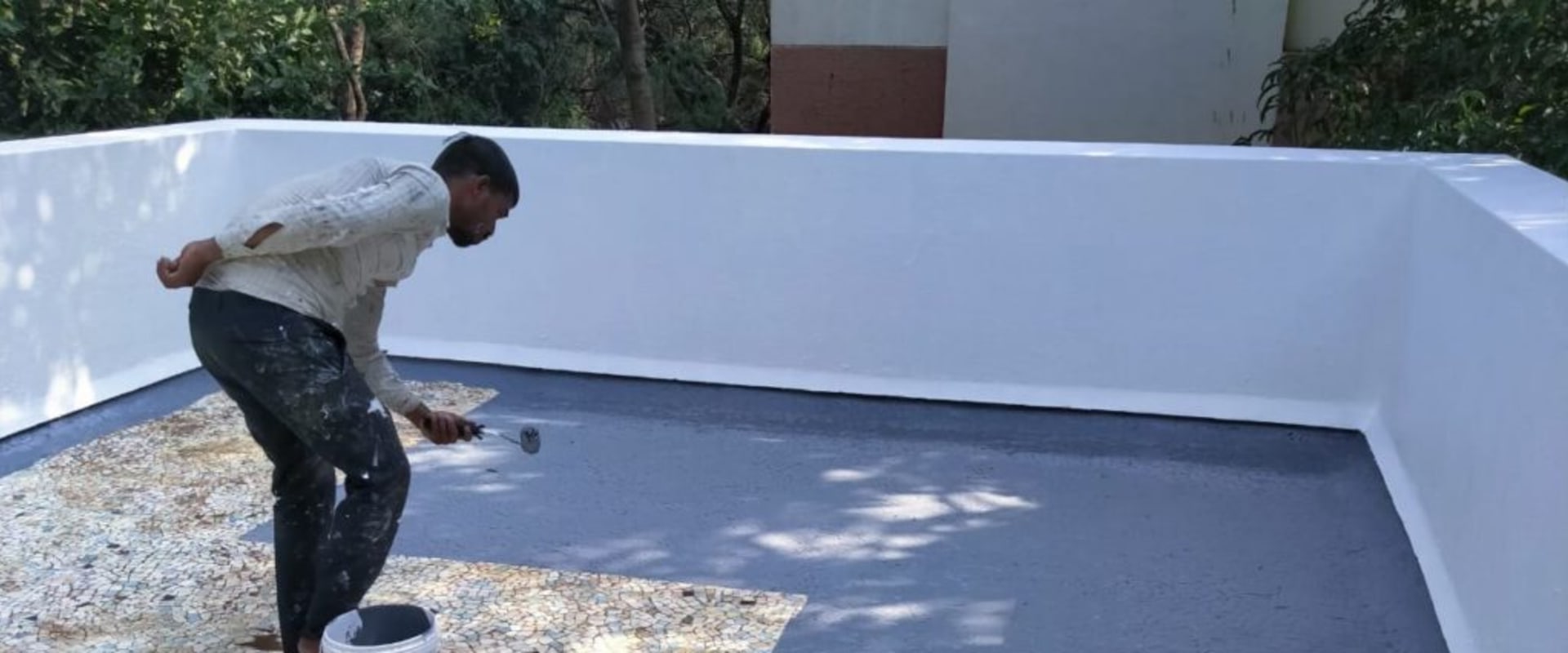
are essential components in roofing systems, providing a barrier against water infiltration that can lead to significant damage over time. These techniques not only protect homes from costly water damage but also extend the lifespan of roofs and enhance overall energy efficiency. In this article, we will explore various methods, materials, and considerations for effective waterproofing. One common approach is the application of liquid membranes.This technique involves applying a liquid substance that cures to form a seamless, waterproof layer over the roof surface. Liquid membranes can be made from a variety of materials, including polyurethane, polyurea, or silicone. Each material has its own set of benefits and drawbacks. For instance, polyurethane is known for its excellent adhesion and flexibility, making it suitable for roofs with complex shapes or details.
However, it can be sensitive to UV exposure unless properly coated. On the other hand, silicone membranes offer superior UV resistance and are ideal for roofs exposed to sunlight but may not adhere as well to certain surfaces. The installation process for liquid membranes typically involves cleaning the roof surface thoroughly to remove dirt and debris. Once prepared, the liquid membrane is applied using rollers or sprayers in even coats. It is crucial to ensure that all seams and details are adequately covered to prevent leaks.
After application, the membrane usually requires a curing period before the roof can be used again. Another effective method is the use of sheet membranes. These are pre-manufactured rolls of waterproof material that can be adhered or mechanically fastened to the roof surface. Common materials for sheet membranes include TPO (Thermoplastic Olefin), EPDM (Ethylene Propylene Diene Monomer), and PVC (Polyvinyl Chloride). Each type has distinct advantages; for example, EPDM is highly durable and resistant to weathering, making it a popular choice for low-slope roofs.
However, it may require additional protection from UV rays if not coated. The installation of sheet membranes involves measuring and cutting the sheets to fit the roof dimensions accurately. It’s essential to overlap seams according to manufacturer specifications to ensure a watertight seal. Adhesive or fasteners should be applied securely along edges and seams, followed by thorough inspection for any potential weak spots.
Sealants
represent another important technique in waterproofing. These are typically used in conjunction with other methods to seal joints, seams, and penetrations on the roof surface.Common sealant materials include silicone caulk, polyurethane sealants, and acrylics. Sealants are easy to apply but must be chosen based on compatibility with other roofing materials. For example, silicone is excellent for metal roofs but may not bond well with asphalt shingles. The application of sealants involves cleaning the area to be sealed and ensuring it is dry before applying the product evenly along joints or seams using a caulking gun. It's vital to follow manufacturer guidelines regarding curing time and environmental conditions during application. Maintenance is crucial in ensuring long-lasting protection from water damage.
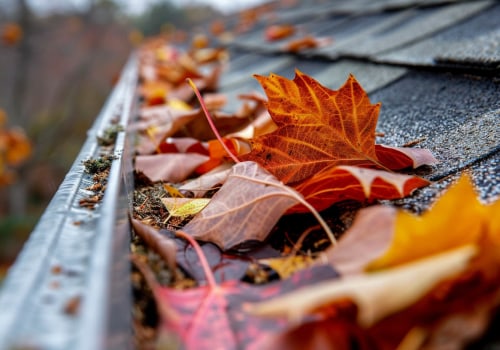
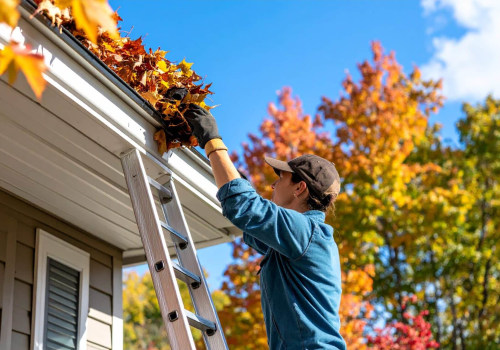
Regular inspections should be conducted at least twice a year and after significant weather events. Look for signs of wear such as cracks in liquid membranes, lifting edges on sheet membranes, or gaps in sealants. Additionally, it’s important to keep gutters clear of debris to prevent water pooling on the roof surface. Common issues that homeowners face include mold growth, which thrives in damp conditions. To combat this, ensure proper ventilation within attics and other areas under the roof.
If mold is detected, it should be addressed immediately with appropriate cleaning solutions and preventive measures. Water pooling can occur due to improper drainage; thus, ensuring a proper slope during installation helps mitigate this issue significantly. Regularly inspecting your roof will help identify areas where water may collect and prompt timely repairs. When considering costs, it's essential to understand that each sealing and waterproofing technique comes with its own price point. Liquid membranes may range from $3 to $6 per square foot depending on material choices and complexity of application. Sheet membranes generally cost between $2 to $5 per square foot while sealants can vary widely but average around $1 to $3 per linear foot. If professional help is needed, selecting the right contractor is crucial.
Look for licensed professionals with experience in roofing projects similar to yours. Check references, read reviews, and request detailed estimates that break down labor and material costs. In conclusion, understanding the various sealing and waterproofing techniques, their materials, installation processes, maintenance practices, and costs will empower homeowners to make informed decisions about protecting their roofs effectively.
Understanding Sealing Techniques
Sealing is a critical component in roofing that ensures the integrity and longevity of the structure. By effectively sealing various components of a roof, homeowners can protect their property from water infiltration and other environmental factors. There are several sealing methods used in roofing, each with specific applications tailored to different roofing materials and conditions. One common method is the use of sealants, which are applied to seams, joints, and flashing areas where water might penetrate.These sealants come in various forms, including silicone, polyurethane, and asphalt-based products. Silicone sealants are particularly effective for areas exposed to UV light due to their durability and flexibility. Another popular sealing technique involves the application of membrane systems. These are typically used in flat or low-slope roofs. Membranes can be made from materials such as PVC, TPO, or EPDM, and they provide a waterproof barrier over the entire roof surface.
The installation process often requires proper adhesion techniques to ensure maximum effectiveness.
Liquid-applied sealants
are also gaining popularity for their ease of application and versatility. These products can be spread over large areas and conform to the shape of the underlying material, providing a seamless waterproof layer. Liquid-applied systems are often used for roof repairs or as a preventive measure on aging roofs. Furthermore, caulking is an essential sealing technique employed around roof penetrations such as vents, chimneys, and skylights. Proper caulking helps prevent moisture from entering these vulnerable points, ensuring a watertight seal. In conclusion, understanding the various sealing techniques is crucial for effective roof maintenance and protection.Each method has its specific applications and advantages, making it important for homeowners to choose the right sealing solution based on their roofing needs.
Finding Reliable Contractors
Choosing the right contractor for sealing and waterproofing projects is crucial to ensure quality workmanship and long-lasting results. Start by seeking recommendations from friends, family, or neighbors who have had similar work done. Personal referrals can provide valuable insights into a contractor's reliability and skill. Next, research potential contractors online. Look for those who specialize in sealing and waterproofing techniques, as they will have the necessary experience and knowledge.Check their websites for testimonials, project galleries, and detailed descriptions of their services. When you have a shortlist of contractors, it’s essential to verify their credentials. Ensure they are licensed, insured, and bonded. A reputable contractor should be willing to provide proof of these credentials upon request. Insurance protects you from potential liability in case of accidents during the project. Once you’ve narrowed down your options, schedule consultations with each contractor.
During these meetings, discuss your specific needs and ask about their approach to waterproofing. A trustworthy contractor will take the time to understand your requirements and offer tailored solutions. Request detailed estimates from each contractor. These estimates should outline the scope of work, materials to be used, timelines, and payment terms. Be cautious of significantly low bids; they may indicate subpar materials or rushed work. Finally, check online reviews and ratings on platforms like Google or Yelp.
Pay attention to feedback regarding communication, timeliness, and overall satisfaction with the work performed. This information can help you gauge the contractor's reliability and professionalism. By following these guidelines, you can find a trustworthy contractor who will effectively handle your sealing and waterproofing needs, ensuring your roof remains protected for years to come.
Maintenance Tips for Longevity
To ensure the effectiveness of sealing and waterproofing techniques on your roof, regular maintenance is essential. Here are some practical tips to help you maintain your sealed and waterproofed roofs and prevent potential damage. First, conduct regular inspections of your roof at least twice a year, preferably in spring and fall. Look for any signs of wear, such as cracks or peeling sealant, which could compromise the integrity of your waterproofing.Early detection allows for timely repairs, preventing more significant issues down the line. Next, keep gutters and downspouts clean and free from debris. Clogged gutters can lead to water pooling on the roof, increasing the risk of leaks and damage to your waterproofing materials. Ensure that water flows freely away from the roof and foundation. Additionally, consider trimming overhanging branches that may scrape against your roof or drop leaves and debris onto it. This can help maintain the integrity of your sealed surfaces and reduce the potential for mold growth. If your roofing material allows it, apply a protective coating every few years to enhance the existing waterproofing.
These coatings can provide an extra layer of defense against UV rays, moisture, and temperature fluctuations. Finally, consult with a roofing professional for periodic assessments. They can provide specialized insights and recommendations on maintaining the longevity of your sealing and waterproofing techniques, ensuring your roof remains in optimal condition.
Cost Considerations
When it comes to sealing and waterproofing techniques, understanding the associated costs is crucial for homeowners and contractors alike. The overall expenses can vary significantly based on the method chosen, materials used, and the size of the roof. First, traditional roof sealants are one of the most affordable options available. These typically range from $0.50 to $2.00 per square foot, depending on the type of sealant selected.Acrylic and silicone sealants tend to be on the higher end of this spectrum due to their durability and effectiveness. Next, membrane systems, such as TPO (Thermoplastic Polyolefin) or EPDM (Ethylene Propylene Diene Monomer), offer more extensive coverage and protection. The cost for these systems generally falls between $3.00 to $7.00 per square foot, including both materials and installation. While this option is pricier, it often provides better long-term protection against water infiltration. Another consideration is liquid-applied membranes, which can vary widely in price from $1.50 to $5.00 per square foot. These products create a seamless barrier that is particularly effective for complex roof shapes or areas with numerous penetrations. Labor costs also play a significant role in the overall expense of sealing and waterproofing.
Depending on the complexity of the roof design and the chosen method, labor rates can range from $50 to $150 per hour. It’s essential to obtain quotes from reputable contractors to ensure that you receive quality work without overspending. In summary, while there are several sealing and waterproofing techniques available at various price points, it's important to weigh the initial costs against long-term benefits such as reduced maintenance expenses and prolonged roof lifespan.
Waterproofing Materials Overview
When it comes to roofing, selecting the right waterproofing materials is crucial for ensuring the longevity and durability of your roof. There are several types of materials available, each with unique properties that make them suitable for different applications.Bituminous Membranes
are one of the most commonly used waterproofing materials. They are made from asphalt and come in both self-adhesive and torch-on varieties.These membranes provide excellent waterproofing capabilities and are highly resistant to UV rays, making them ideal for flat roofs.
Liquid Waterproofing
is another effective option. This material is applied as a liquid and dries to form a seamless, waterproof membrane. It can be used on various surfaces and is particularly useful for complex roof shapes where traditional materials might struggle to cover adequately.EPDM (Ethylene Propylene Diene Monomer)
rubber roofing is a durable material known for its weather resistance and longevity. It is often used on low-slope roofs and can withstand extreme temperatures, making it suitable for various climates.TPO (Thermoplastic Olefin)
is a single-ply roofing membrane that combines the benefits of rubber and PVC.It is reflective, helping to improve energy efficiency by reducing heat absorption, and its light weight makes it easy to install.
PVC (Polyvinyl Chloride)
roofing is another popular choice due to its high resistance to water, fire, and chemicals. It is particularly effective in areas prone to heavy rainfall or industrial environments. In addition to these materials, sealants and coatings play a significant role in enhancing waterproofing. They can be applied to seams, joints, and vulnerable areas to provide an additional layer of protection against water intrusion. Understanding the unique properties of these waterproofing materials will help homeowners make informed decisions about which options best suit their roofing needs, ensuring maximum protection against water damage.Installation Steps for Waterproofing
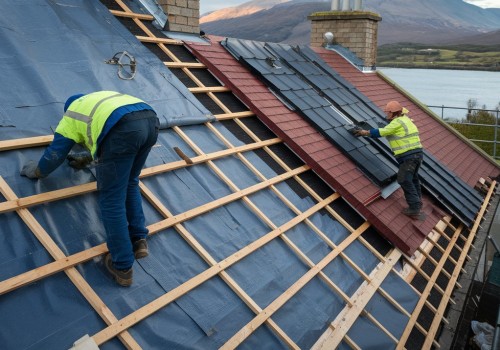
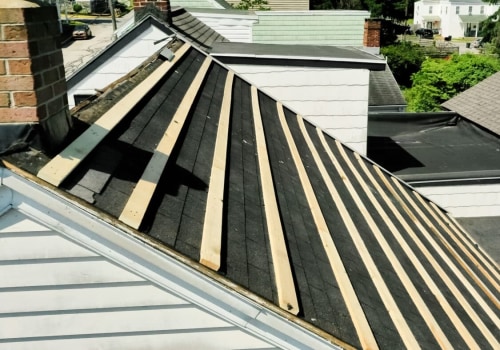
To ensure the effectiveness of sealing and waterproofing techniques for roofs, it is crucial to follow a systematic installation process. This section outlines the steps involved for various waterproofing methods.1.Preparation of Surface:
Before applying any waterproofing material, ensure the roof surface is clean and dry.Remove any debris, dust, or old waterproofing layers. Repair any visible cracks or damages in the roofing material to create a smooth surface for application.
2.Selection of Waterproofing Material:
Choose the appropriate waterproofing material based on the specific roofing system and environmental conditions. Options include liquid membranes, sheet membranes, and sealants. Each material has unique properties and installation requirements.3.Application of Primer:
For many waterproofing products, applying a primer is essential to enhance adhesion.Follow the manufacturer’s instructions regarding drying time and application method. Ensure even coverage across the entire roof surface.
4.Installation of Waterproofing Membrane:
If using a liquid membrane, apply it evenly with a roller or brush according to the specified thickness. For sheet membranes, carefully lay them down, ensuring proper overlap at seams. Use a roller to eliminate air bubbles and ensure full contact with the substrate.5.Sealing Joints and Penetrations:
Pay special attention to joints, seams, and areas around roof penetrations such as vents and chimneys.Use an appropriate sealant to ensure these critical areas are properly sealed against water ingress.
6.Curing Time:
Allow adequate curing time as recommended by the manufacturer before exposing the roof to water or foot traffic. This is crucial to ensure that the waterproofing layer achieves its maximum effectiveness.7.Final Inspection:
Once the waterproofing layer has cured, conduct a thorough inspection to identify any missed spots or potential issues. Make any necessary repairs immediately to maintain roof integrity. By following these steps diligently, homeowners can effectively implement sealing and waterproofing techniques, ensuring long-lasting protection against water damage and enhancing the lifespan of their roofs.Signs Your Roof Needs Attention
Identifying the need for sealing and waterproofing techniques early can save homeowners from costly repairs and extensive damage. Here are some common signs that indicate your roof may require attention:1.Water Stains on Ceilings or Walls: One of the most visible signs of water intrusion is the presence of water stains.If you notice discoloration or dark patches on your ceilings or walls, it may indicate a leak that requires immediate attention.
2.Missing or Damaged Shingles:
Inspect your roof for any missing, cracked, or curled shingles. These damaged areas can compromise the integrity of your roofing system and allow water to penetrate.3.Mold or Mildew Growth:
The presence of mold or mildew on your roof or in your attic suggests that moisture is being trapped, which can lead to serious structural issues. This is a clear indication that sealing may be necessary.4.Increased Energy Bills:
If you notice a sudden spike in your energy bills, it could be due to poor insulation from a compromised roof. Sealing and waterproofing can help improve energy efficiency by preventing air leaks.5.Ponding Water:
After heavy rain, check for any areas on your roof where water tends to pool.Standing water can lead to roof deterioration and may necessitate additional sealing measures.
6.Gutter Issues:
Clogged or overflowing gutters can indicate that your roof is not properly shedding water. This can lead to leaks and requires attention to ensure proper drainage.7.Age of the Roof:
If your roof is nearing the end of its expected lifespan, it may be time to consider sealing and waterproofing as preventive measures against potential leaks and damage. By being vigilant about these signs, homeowners can take proactive steps to maintain their roofs and ensure the effectiveness of sealing and waterproofing techniques.In conclusion, effective sealing and waterproofing techniques play a crucial role in maintaining the integrity and longevity of your roof. Throughout this article, we have explored various aspects including the types of sealing techniques, an overview of waterproofing materials, essential installation steps, maintenance tips for longevity, cost considerations, and how to find reliable contractors. By understanding these elements, homeowners can make informed decisions that protect their homes from potential water damage. Remember, a well-sealed and waterproofed roof not only extends its life but also enhances overall energy efficiency, leading to long-term savings.We encourage you to take proactive measures to safeguard your home from water-related issues.