When it comes to home maintenance, few tasks are as important yet often overlooked as roof repairs. Whether you’re fixing a minor leak or tackling significant damage, ensuring your safety during these repairs is paramount. The roof serves as the first line of defense against the elements, but it can also pose serious risks if not approached with caution. In this article, we will explore essential safety measures that should always be prioritized when undertaking roof repairs. Many homeowners are eager to take on repair projects themselves, driven by a desire to save money or gain a sense of accomplishment.
However, without the proper knowledge and precautions, DIY roof repairs can quickly turn into dangerous endeavors. From working at heights to dealing with unpredictable weather conditions, the risks are numerous. Understanding and implementing safety precautions is crucial to not only protect yourself but also to ensure a successful repair. In the following sections, we will delve into practical tips and guidelines that will help you navigate the complexities of roof repairs safely. Whether you are a seasoned DIYer or a novice looking to learn, this guide will equip you with the necessary knowledge to conduct repairs without compromising your safety.
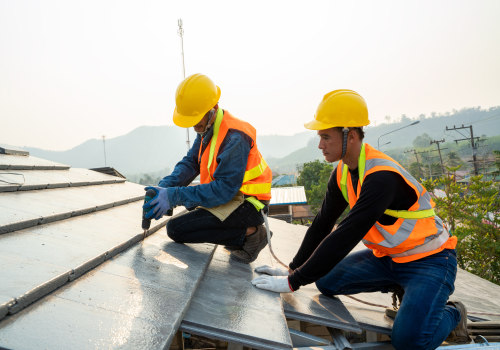
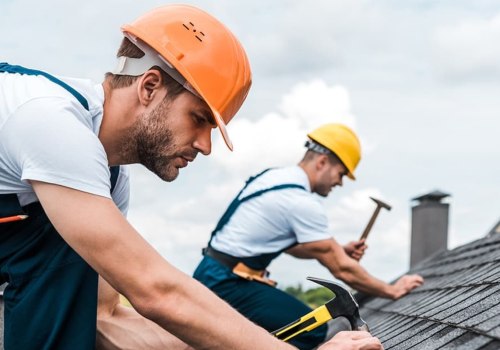
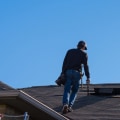
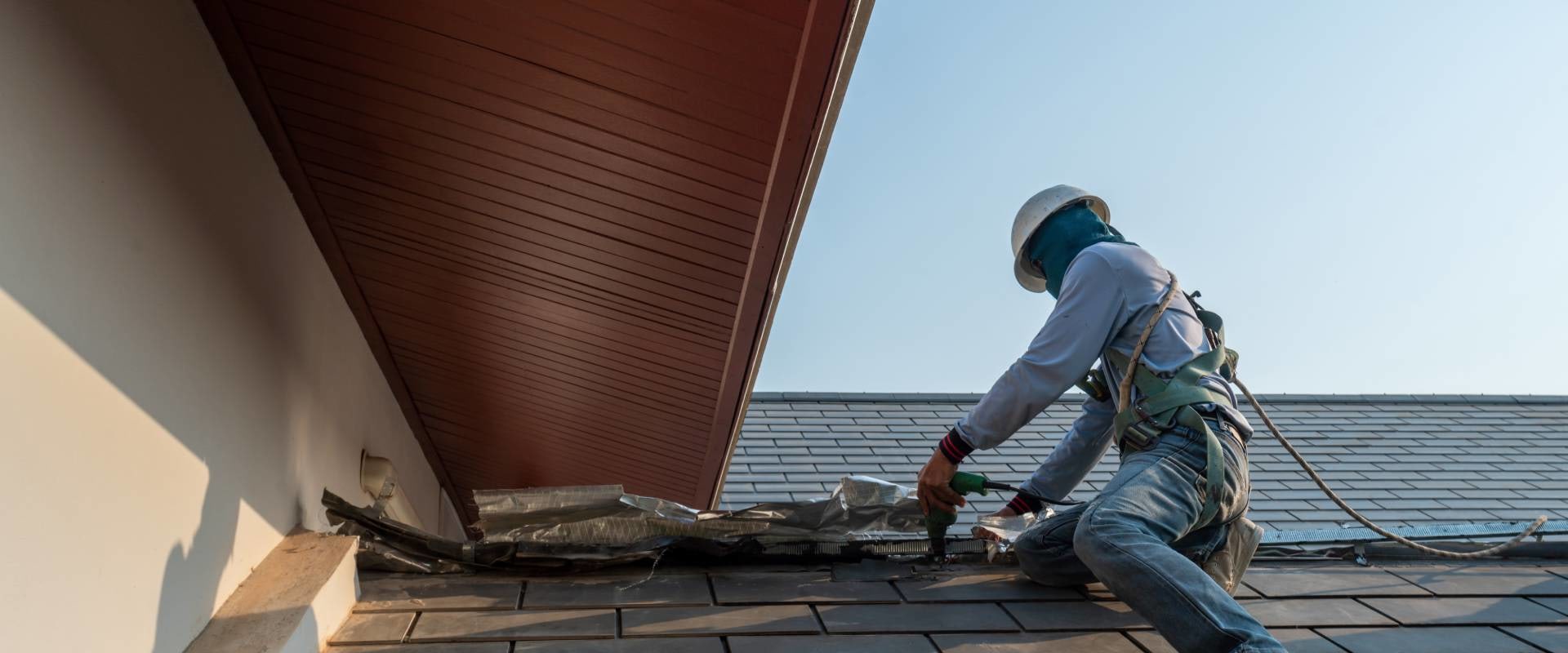
So, let’s get started on ensuring your next roof repair project is both effective and safe!When undertaking roof repairs, it is crucial to prioritize Safety precautions during repairs to protect yourself from potential hazards. Roofing work involves various risks, including falls, injuries from tools, and exposure to adverse weather conditions. By implementing proper safety measures, you not only safeguard your well-being but also enhance the likelihood of completing your project successfully. One of the most critical components of safety in roofing repairs is wearing appropriate personal protective equipment (PPE). This includes hard hats to protect against falling objects, harnesses for fall protection when working at heights, and non-slip footwear designed for traction on various surfaces.
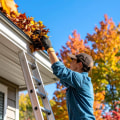
Each piece of equipment plays a vital role in preventing injuries. For instance, without a hard hat, a falling tool can cause serious head injuries. Similarly, a harness can prevent you from falling off the roof entirely if you lose your balance. Non-slip footwear is essential as roofs can be slippery, especially when wet or covered in debris. Another essential safety measure is ensuring that ladders are placed stably before use.
Ladders should be positioned on a flat surface and secured to prevent them from slipping or tipping over while you ascend or descend. A common accident that occurs due to improper ladder placement is a fall, which can result in severe injuries or even fatalities. Always remember the three-point contact rule while climbing: maintain two hands and one foot or two feet and one hand in contact with the ladder at all times. Before starting any roofing work, it's also important to check weather conditions. Adverse weather can significantly increase the risk of accidents.
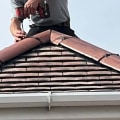
For instance, working on a roof during rain or high winds can make surfaces slippery and unstable, leading to falls. Monitoring forecasts and planning your projects during favorable weather conditions can help mitigate these risks. Using proper tools and equipment is another fundamental aspect of safety during roof repairs. Ensure that all tools are in good working condition and suitable for the task at hand. Using damaged or inappropriate tools can lead to accidents and injuries.
For example, using a dull blade can require more force and increase the risk of slips and cuts. Additionally, familiarize yourself with how to operate tools safely before starting your repair work. Securing the work area is equally important in maintaining safety during roofing repairs. This includes clearing the area of debris, ensuring that tools are stored properly when not in use, and marking off hazardous zones to keep others away while you work. A cluttered work area can lead to tripping hazards and other accidents that may jeopardize your safety. It’s worth noting that some readers might believe they can skip certain safety steps or take shortcuts to save time.
However, neglecting these safety precautions during repairs can lead to serious consequences. The cost of an injury far exceeds any time saved by cutting corners. Not only can accidents result in personal harm, but they can also lead to significant financial expenses related to medical bills or legal issues. In conclusion, taking safety precautions during repairs is not just a recommendation; it's a necessity for anyone undertaking roof repair projects. By wearing appropriate PPE, ensuring stable ladder placement, checking weather conditions, using proper tools, and securing the work area, you create a safer environment for yourself and others involved in the project.
Remember that awareness and preparation are key components of effective safety measures that can help prevent accidents and ensure successful roof repairs.
Tool Safety
When undertaking roof repairs, it is crucial to prioritize tool safety as a fundamental aspect of the process. Using the right tools not only enhances efficiency but also significantly reduces the risk of accidents. Each tool is designed for specific tasks, and utilizing them correctly can prevent injuries and ensure that repairs are executed effectively. Before starting any roofing project, inspect your tools for any signs of wear or damage. Sharp blades, worn-out handles, or defective electrical components can pose serious safety hazards.Regular maintenance, such as sharpening blades and cleaning tools after use, is essential in keeping them in optimal condition. Additionally, always use the appropriate personal protective equipment (PPE) when handling tools. This includes gloves to protect your hands from cuts and abrasions, safety goggles to shield your eyes from debris, and sturdy footwear to provide support and protection against falling objects. Furthermore, familiarize yourself with the operational guidelines for each tool. Understanding how to handle tools safely can prevent mishaps and enhance overall safety during roofing repairs. By prioritizing tool safety, you not only protect yourself but also contribute to a successful and efficient repair project.
Securing the Work Area
When undertaking roof repairs, one of the most critical aspects is securing the work area.A cluttered or unsafe environment can lead to accidents that may cause serious injuries. To ensure a safe working space, start by removing any debris, tools, or materials that are not needed for the repair. This will help to create a clear pathway and reduce tripping hazards. Additionally, consider placing warning signs around the perimeter of the work area to alert others of ongoing repairs. This can prevent accidental intrusions and keep unauthorized individuals away from potential dangers.
If possible, use cones or barriers to demarcate the area clearly. Furthermore, it is essential to have a reliable means of communication while working on the roof. This could involve using walkie-talkies or ensuring that someone is on the ground to assist and communicate any issues that arise during the repair process. Lastly, if working on a steep roof or in adverse weather conditions, it may be prudent to use safety nets or harnesses to secure yourself and prevent falls. Taking these steps in securing the work area not only enhances safety but also contributes to a more efficient and productive roofing repair experience.
Weather Considerations
When undertaking roof repairs, one of the most critical factors to consider is the weather.Weather conditions
can significantly impact both the safety of the workers and the effectiveness of the repair itself.It is essential to monitor the forecast closely and plan repairs during favorable weather conditions. Rain, snow, or even high winds can create hazardous situations on a rooftop. Wet surfaces can be slippery, increasing the risk of falls, while strong winds can make it difficult to maintain balance and control materials. Therefore, it is advisable to avoid roof work during inclement weather and wait for a clear day with calm conditions. Furthermore, extreme temperatures can also pose risks. During hot weather, workers may be susceptible to heat exhaustion or heat stroke, while cold temperatures can lead to frostbite or hypothermia.
It is vital to ensure that all team members are equipped with appropriate clothing and hydration to combat these risks. Additionally, consider the effects of humidity. High humidity levels can lead to condensation on surfaces, creating slippery conditions and potentially compromising the integrity of roofing materials. Therefore, keeping an eye on humidity levels is essential for ensuring safety during repairs. In conclusion, understanding how weather impacts safety during roof repairs is crucial for preventing accidents and ensuring a successful project. Always prioritize safety by monitoring weather conditions and making informed decisions about when to proceed with repairs.
Ladder Safety
When it comes to roof repairs, ensuring ladder safety is paramount.A ladder is often the primary means of access to the roof, and improper use can lead to serious accidents. To prevent falls and injuries, it is essential to follow specific guidelines for setting up and using ladders. First, always select the right ladder for the job. Ensure it is tall enough to reach your work area without needing to stand on the top rung, as this increases the risk of losing balance. Additionally, choose a ladder that is rated for the weight it will carry, including any tools or materials. Next, when setting up your ladder, position it on a stable and level surface.
If you are working on uneven ground, use ladder levelers or stabilizers to create a secure base. The base of the ladder should be placed one foot away from the wall for every four feet of height. This ratio helps maintain balance while you climb. Before climbing, inspect the ladder for any defects such as cracks or bent rungs. A thorough inspection ensures that your equipment is safe for use.
When climbing, always maintain three points of contact with the ladder—two hands and one foot or two feet and one hand—to maximize stability. Lastly, avoid overreaching while on the ladder. If you find yourself stretching too far to the side, descend and reposition the ladder closer to your work area. By adhering to these ladder safety practices, you can minimize the risk of falls and ensure a safer roofing repair experience.
Personal Protective Equipment (PPE)
When embarking on roof repairs, ensuring your safety should be the top priority. Utilizing the appropriate Personal Protective Equipment (PPE) is crucial in minimizing risks and preventing injuries.Here are the essential types of PPE you should consider:Hard Hats: A hard hat protects your head from falling objects, which is a common hazard when working at heights. It can prevent serious injuries that could occur from accidental drops or overhead work.
Safety Goggles
: Protecting your eyes is vital during roof repairs, especially when cutting materials or working with tools that may produce debris. Safety goggles guard against dust, splashes, and flying particles.Non-Slip Footwear
: Wearing non-slip boots with good traction is essential for maintaining stability on a roof surface. These shoes help prevent slips and falls, which are among the most frequent accidents in roofing work.Gloves
: Durable gloves protect your hands from sharp edges, hot surfaces, and other hazards.They provide grip and dexterity while handling tools and materials, ensuring you can work safely.
Fall Protection Harnesses
: If you're working on steep roofs or at significant heights, a fall protection harness is a must. This equipment can save your life by securing you to a stable anchor point, preventing falls.Respirators
: In cases where you are exposed to harmful dust or fumes, wearing a respirator is crucial. This gear protects your lungs from inhaling hazardous substances that can lead to long-term health issues. By equipping yourself with the right PPE, you not only safeguard your well-being but also contribute to the successful completion of your roofing project. In conclusion, Safety precautions during repairs are not just guidelines; they are essential measures that can significantly reduce the risks associated with roof repairs. Throughout this article, we have highlighted key aspects such as the importance of Personal Protective Equipment (PPE), Ladder Safety, Weather Considerations, Tool Safety, and Securing the Work Area.Each of these elements plays a crucial role in ensuring a safe working environment. By understanding and implementing these safety measures, you can prevent accidents and injuries, ultimately making your roof repair projects more successful. We urge you to take safety seriously—thorough preparation and adherence to safety practices can save lives and protect your well-being. Remember, a safe repair is a successful repair!.