As the days grow longer and the sun shines brighter, the summer heat can significantly impact the integrity and longevity of your roof. Homeowners often overlook the critical role that seasonal changes play in roof maintenance, but understanding these considerations is essential for protecting one of your home’s most vital structures. From temperature fluctuations to UV exposure, the challenges posed by summer heat can accelerate wear and tear, leading to costly repairs if not addressed timely. This article delves into key factors that every homeowner should consider when preparing their roofs for the intense summer months. Whether you live in a region known for its sweltering summers or are simply looking to enhance your home's energy efficiency, being proactive about your roof's condition can save you time, money, and headaches in the long run. Join us as we explore essential tips and strategies designed to help you navigate the challenges of summer heat, ensuring your roof remains in optimal condition throughout the season.
By prioritizing roof maintenance now, you can enjoy peace of mind all summer long. As the summer sun beats down, the impact of summer heat considerations for roofs becomes increasingly significant. Understanding how extreme temperatures affect roofing materials is crucial for homeowners looking to maintain their homes' comfort and durability. The right roofing material can significantly enhance a home’s energy efficiency while extending the lifespan of the roof. When examining different roofing materials, asphalt shingles are one of the most common choices. They typically have a lower upfront cost but can struggle under intense heat. becomes increasingly significant. Understanding how extreme temperatures affect roofing materials is crucial for homeowners looking to maintain their homes' comfort and durability. The right roofing material can significantly enhance a home’s energy efficiency while extending the lifespan of the roof. When examining different roofing materials, asphalt shingles are one of the most common choices. They typically have a lower upfront cost but can struggle under intense heat.
High temperatures can lead to curling shingles, causing them to lose their effectiveness and requiring early replacement. In contrast, metal roofs offer superior heat resistance and reflectivity, making them an excellent choice for hot climates. They not only withstand high temperatures but also help reduce cooling costs by reflecting sunlight. Tile roofs, made from clay or concrete, are another viable option as they provide excellent insulation and thermal mass, keeping homes cooler in the summer heat. Installation is just as critical as material choice when it comes to maximizing the longevity of a roof in hot weather.
Proper ventilation techniques are essential to prevent heat buildup in the attic, which can lead to premature aging of roofing materials and increased energy costs. Homeowners should ensure that their roofs have adequate ventilation systems, including ridge vents and soffit vents, which allow hot air to escape while drawing in cooler air from outside. Regular maintenance practices are vital for mitigating heat damage on roofs. Homeowners should conduct inspections at least twice a year, ideally in the spring and fall, to check for signs of damage such as weakened seals or granule loss from shingles. Additionally, it’s essential to clean debris from gutters and downspouts regularly to prevent water accumulation that can lead to leaks or structural damage.
Keeping the roof surface clean also helps reflect sunlight more effectively, contributing to better energy efficiency. Cost estimates for repairs or replacements influenced by summer heat conditions can vary widely depending on the roofing material and extent of damage. For instance, replacing curling asphalt shingles may cost between $2,000 and $5,000, while a metal roof repair could range from $3,000 to $7,000. Tile roof repairs might be even higher due to the complexity of working with heavier materials. Homeowners should budget accordingly and plan for these potential expenses during the hot months. Finding a reliable roofing contractor is crucial for ensuring quality work.
Homeowners should look for contractors with solid reputations, verified licenses, and insurance coverage. It's advisable to ask potential contractors several questions: How many years have you been in business? Can you provide references from previous clients? What warranties do you offer on your materials and labor? A trustworthy contractor will be transparent about their process and willing to provide detailed answers. In conclusion, being aware of summer heat considerations for roofs can save homeowners time and money in the long run. By choosing appropriate roofing materials, ensuring proper installation techniques are followed, conducting regular maintenance, budgeting for potential repairs, and hiring reliable contractors, homeowners can protect their investments against the damaging effects of summer heat.
Installation Tips for Summer
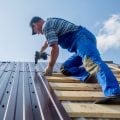
When installing or maintaining roofs in hot summer conditions, certain techniques can enhance the performance and longevity of roofing materials.Proper ventilation
is crucial; ensure that your roofing system allows for adequate airflow to prevent heat buildup in the attic, which can lead to increased cooling costs and potential damage to roofing materials.Another important factor is the choice of reflective roofing materials. Opting for lighter-colored shingles or tiles can help reflect sunlight, reducing heat absorption and keeping your home cooler. Additionally, using materials with a high solar reflectance index (SRI) can further improve energy efficiency. During installation, be mindful of the sealants and adhesives used. Choose products that are specifically designed for high temperatures to ensure they maintain their integrity and adhesion properties throughout the summer months.
Additionally, consider applying a heat-resistant underlayment for extra protection against extreme temperatures. Finally, ensure that all flashing and drainage systems are properly installed and maintained to prevent water pooling, which can be exacerbated by high heat. Regular inspections after installation can help identify any potential issues early on, ensuring that your roof remains in top condition during the hottest months.
Maintenance Practices to Consider
To ensure your roof withstands the intense summer heat, implementing effective maintenance practices is essential. Start by conducting a thorough inspection of your roof, checking for any signs of damage such as cracks, blisters, or missing shingles. These issues can be exacerbated by high temperatures and, if left unaddressed, may lead to more significant problems. Next, consider cleaning your gutters and downspouts to prevent water accumulation.Clogged gutters can lead to overflow and potential damage to the roofing materials and the home’s structure. Regular cleaning helps maintain proper drainage during summer thunderstorms. Another crucial aspect of roof maintenance is ensuring adequate ventilation in your attic. Poor ventilation can trap heat and moisture, leading to increased temperatures that can warp roofing materials. Installing ridge vents or soffit vents can significantly improve airflow and help regulate temperatures. Additionally, applying a reflective roof coating can be beneficial in hot climates.
These coatings are designed to reflect sunlight and reduce heat absorption, helping to keep your home cooler and extending the lifespan of your roof. Lastly, consider scheduling routine inspections with a trustworthy roofing contractor. They can provide professional assessments and address any concerns that may arise due to extreme summer conditions. Regular maintenance not only protects your investment but also ensures the longevity and performance of your roof throughout the hot months.
Cost Estimates for Repairs
When it comes to maintaining your roof during the sweltering months of summer, understanding the potential costs associated with repairs is essential.Summer heat considerations for roofs
can lead to various issues, and addressing them promptly can save homeowners from more significant expenses down the line. The cost of repairs can vary widely depending on the type of roofing material, the extent of the damage, and labor costs in your area.For instance, if you have an asphalt shingle roof, minor repairs such as replacing a few missing shingles might cost between $200 to $500. However, if heat has caused more extensive damage, like warped decking or leaks, repair costs could escalate to $1,000 or more. In the case of metal roofs, repairs can be slightly higher due to the specialized materials and labor required. Small repairs might range from $300 to $700, while significant issues could push costs upwards of $1,500. It's crucial to get multiple quotes from local contractors to ensure you are getting a fair price. Additionally, flat roofs may require specific maintenance and repairs that can also add to your overall costs.
Regular inspections and maintenance can help identify potential problems early on, potentially saving you thousands in emergency repairs later. Ultimately, investing in preventative measures during the hot summer months can be more cost-effective than waiting until damage occurs. By understanding these cost estimates for repairs, homeowners can better prepare for the financial implications of maintaining their roofs in extreme heat conditions.
Finding Reliable Roofing Contractors
When it comes to maintaining your roof during the summer heat, finding reliable roofing contractorsfinding reliable roofing contractors is crucial. A trustworthy contractor can ensure that your roofing materials are properly installed and maintained, which is essential for longevity and performance under extreme temperatures. Start your search by asking for recommendations from friends, family, or neighbors who have had recent roofing work done. Personal referrals can provide valuable insights into a contractor's reliability and quality of work. Next, conduct online research to identify local contractors.Look for those with positive reviews and ratings on platforms like Yelp, Google, or Angie's List. Pay close attention to feedback regarding their punctuality, professionalism, and quality of workmanship. Once you have a shortlist, verify that each contractor is licensed and insured. This step is vital as it protects you from liability in case of accidents or damages during the roofing project. Request to see their credentials and confirm their insurance coverage. Additionally, ask potential contractors for references from previous clients.
A reputable contractor should be willing to provide contact information for past customers who can vouch for their work. Finally, obtain multiple quotes for your roofing project. This not only helps you compare prices but also gives you an opportunity to gauge each contractor's knowledge and approach to your specific needs. Remember, the lowest bid isn’t always the best option; consider the overall value based on quality and service. By taking these steps, you can confidently select a reliable roofing contractor who will help ensure your roof withstands the summer heat effectively.
Understanding Roofing Materials
When considering Summer heat considerations for roofs, it is crucial to understand how different roofing materials respond to high temperatures. Various materials have unique properties that can either enhance or hinder a roof's performance in extreme heat.Asphalt shingles
are one of the most common roofing materials.They are affordable and easy to install; however, they can suffer from warping and curling when exposed to prolonged heat. Homeowners in hot climates may benefit from selecting high-quality, reflective asphalt shingles that are designed to withstand higher temperatures.
Metal roofs
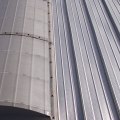
, on the other hand, are known for their durability and reflective properties. They can effectively reflect solar heat, reducing the amount of heat absorbed by the home. This makes them an excellent choice for regions that experience intense summer heat, as they can contribute to a cooler indoor environment.TPO and PVC membranes
are popular in commercial roofing but are also gaining traction in residential applications.These materials are highly resistant to UV rays and can withstand extreme temperatures without losing their integrity. Their reflective surfaces help keep roofs cool, which can extend their lifespan significantly.
Clay and concrete tiles
offer excellent thermal resistance and are ideal for hot climates. They provide a natural barrier against heat, making homes cooler during the summer months. However, their weight requires a sturdy roof structure, so it's essential to consult with a professional before installation. Ultimately, understanding the characteristics of each roofing material is vital for making informed decisions about roof maintenance during summer heat considerations for roofs.Choosing the right material not only enhances the longevity of the roof but also improves overall home comfort. In conclusion, we have explored the critical factors related to Summer heat considerations for roofs, emphasizing how extreme temperatures can impact roofing materials and overall home comfort. Understanding the nuances of roofing materials designed for hot climates is essential in ensuring longevity and performance. We highlighted the importance of implementing installation tips for summer and adhering to proper maintenance practices that can prevent costly repairs down the line. Additionally, we discussed the financial aspects by providing cost estimates for repairs, which can aid homeowners in budgeting for their roofing needs. Finally, finding reliable roofing contractors is paramount in securing professional advice and quality workmanship. Proactive roof maintenance during the summer months not only protects your investment but also enhances the comfort of your home.
We encourage readers to take these considerations seriously and consult with professionals when necessary to ensure their roofs withstand the rigors of summer heat.