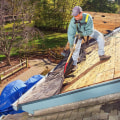
Your roof is your home's first line of defense against the elements, making its upkeep crucial for both safety and longevity. Many homeowners overlook the importance of roof inspections, often assuming that as long as there are no visible leaks, everything is fine. However, this assumption can lead to costly repairs down the line. So, how often should you inspect your roof to ensure it remains in top condition? The answer may surprise you. Regular inspections not only extend the life of your roof but also provide peace of mind, especially after extreme weather events or significant seasonal changes.
In this article, we will delve into the factors that influence the frequency of roof inspections and why proactive maintenance is essential for safeguarding your investment. Whether you are a new homeowner or have lived in your house for years, understanding the nuances of roof inspection frequency is vital. By taking a closer look at various aspects such as materials, local climate, and the age of your roof, you can make informed decisions that will protect your home for years to come. Let’s explore the ins and outs of maintaining your roof and ensuring it stands strong against time and nature. Regular roof inspections are essential for maintaining the integrity of your home. Many homeowners underestimate the importance of these inspections, often leading to significant issues down the line.
Neglecting roof maintenance can result in leaks, mold growth, and even structural damage, all of which can be costly to repair. Timely inspections not only help identify potential problems early but also save homeowners money in the long run. So, when was the last time you inspected your roof?The recommended frequency of roof inspections can vary based on several factors, including climate, roof type, and the age of the roof. Generally, it is advisable to inspect your roof at least twice a year—once in the spring and once in the fall.
However, if you live in an area prone to severe weather conditions such as heavy rains or snow, you might want to increase this frequency. According to a report by the National Roofing Contractors Association (NRCA), many roofing experts suggest that roofs should be inspected after significant weather events. Different roofing materials also require different inspection schedules. For instance, asphalt shingles typically have a lifespan of 15 to 30 years and should be inspected regularly to check for signs of wear or damage. Metal roofs, known for their durability, may require less frequent inspections but still benefit from an annual check-up.
Tile roofs, while aesthetically pleasing, can also be prone to issues such as cracks or dislodged tiles that need addressing. Homeowners should consider both the type of material and its lifespan when determining how often to conduct inspections. During an inspection, there are several key issues to look for. Missing shingles or tiles can indicate that your roof is compromised and needs immediate attention. Additionally, you should check for leaks in the attic or ceiling, signs of mold or mildew, and any sagging areas on the roof surface.
Other signs of wear may include granule loss from shingles or rust on metal roofing. Being proactive about these potential problems can save you from costly repairs down the road. Seasonal inspections are particularly important, especially before and after harsh weather conditions like winter storms or summer heatwaves. Winter can bring heavy snow loads that may cause sagging or structural issues, while summer storms can lead to leaks and other damage. Inspecting your roof before and after these seasons allows homeowners to address any damage promptly. For those considering a DIY approach to roof inspections, there are several tips to keep in mind.
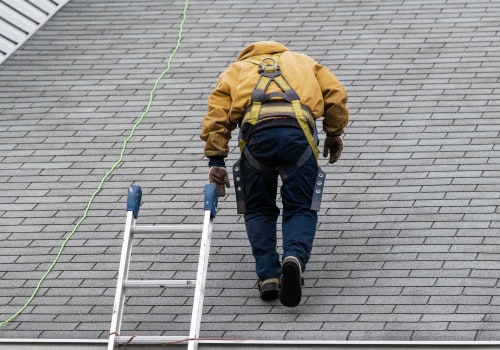
Always prioritize safety by using a sturdy ladder and wearing appropriate gear. If you are comfortable doing so, inspect your roof from the ground with binoculars to identify obvious issues like missing shingles or debris accumulation. However, certain aspects of roof inspection require professional expertise. If you notice any significant damage or if your roof is steeply pitched, it’s wise to hire a professional roofer who can conduct a thorough inspection safely. While there is a general consensus on inspecting roofs twice a year, opinions may vary depending on local conditions.
Some experts argue that regions with milder climates may not require as frequent inspections as those exposed to extreme weather patterns. It’s essential for homeowners to assess their specific situation and make informed decisions based on their local environment. In conclusion, understanding how often to inspect your roof is vital for maintaining its longevity and functionality. Regular inspections tailored to your roof type, climate, and seasonal changes can significantly prevent more extensive damage and costly repairs in the future.
Seasonal Considerations for Roof Inspections
Understanding the importance of inspecting roofs before and after severe weather events is crucial for maintaining the integrity of your home. Severe weather, including heavy rain, snow, hail, and high winds, can cause significant damage to your roof.By conducting regular inspections during these critical times, homeowners can identify potential problems early and take necessary action. Before severe weather hits, it’s wise to conduct a thorough inspection of your roof. Look for any missing or damaged shingles, cracks in the flashing, or debris accumulation that could lead to water pooling. Ensuring that your roof is in good condition can help prevent leaks and other complications during storms. After severe weather has passed, it's equally important to inspect your roof. Even minor storms can cause hidden damage that may not be immediately visible.
Checking for signs of wear and tear, such as loose shingles or water stains inside your home, can help you address issues before they escalate into costly repairs. By being proactive with seasonal roof inspections, homeowners can save money in the long run and ensure that their roofs remain sturdy and reliable through all seasons.
Signs That Indicate It’s Time for an Inspection
Regular roof inspections are crucial for maintaining the integrity of your home, and there are several key indicators that suggest it’s time for an inspection. One of the first signs to look out for is missing or damaged shingles. If you notice any shingles that are cracked, curled, or completely missing, it could indicate underlying issues that need immediate attention. Another important factor is leaks or water stains on ceilings or walls. If you see any discoloration or water marks, it may be a sign that your roof is not performing as it should and requires a thorough inspection to identify the source of the leak. Additionally, pay attention to debris accumulation on your roof or in gutters.If leaves, branches, or other debris are building up, they can trap moisture and lead to serious problems such as mold growth or wood rot if not addressed promptly. Furthermore, if you notice increased energy bills, it may be a sign of poor insulation or ventilation issues related to your roof. An inspection can help identify areas where your roof may be allowing heat loss or gain, which can save you money in energy costs in the long run. Lastly, if your roof is nearing the end of its expected lifespan, typically around 20-30 years depending on materials used, it’s advisable to schedule an inspection even if there are no visible signs of damage. Regular check-ups can help catch potential problems early, ensuring your home remains safe and secure.
Frequency of Roof Inspections Based on Material
When it comes to maintaining the integrity of your home, roof inspections play a crucial role, and the frequency of these inspections can greatly depend on the roofing material used. Different materials come with their own set of characteristics, leading to varying levels of durability and susceptibility to damage.Asphalt shingles
, one of the most common roofing materials, should ideally be inspected at least once a year.These shingles have a lifespan of about 15 to 30 years but can be prone to curling, cracking, and granule loss due to weather exposure. Regular inspections can help identify these issues early and prolong their lifespan.
Metal roofs
, known for their durability, typically require less frequent inspections—around every two years. However, it's important to check for rust, loose seams, or any signs of wear that might arise from extreme weather conditions.Tiled roofs
, which are often made from clay or concrete, can last for several decades but may need inspections every 1-2 years. The main concern here is ensuring that tiles remain intact and that there are no leaks or water damage occurring underneath.Wood shakes
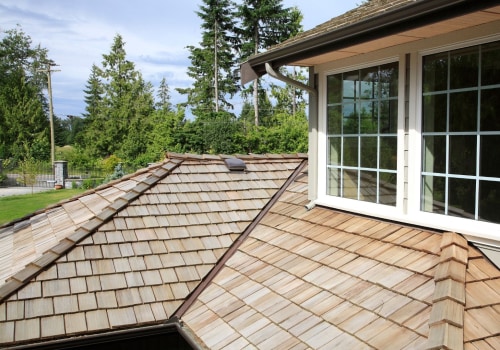
or shingles require more attention due to their susceptibility to rot and insect infestation.Homeowners should inspect these roofs at least once a year to catch any signs of decay or damage. Finally, flat roofs, often found in commercial buildings or modern homes, should be inspected at least twice a year. These roofs can accumulate debris and water, leading to leaks if not maintained properly. In summary, understanding the type of roofing material on your home is essential in determining how often you should schedule roof inspections. By adhering to these guidelines based on material type, homeowners can effectively maintain their roof's health and extend its lifespan.
DIY vs Professional Inspections
When it comes to maintaining your roof, one of the first decisions you'll face is whether to conduct inspections yourself or hire a professional. Each option has its own pros and cons, and understanding these can help you make an informed choice.DIY inspections
can be a cost-effective option for homeowners looking to save money.By doing it yourself, you can schedule inspections at your convenience, allowing for greater flexibility. You might catch minor issues early, such as loose shingles or debris buildup, which can prevent larger problems down the line. However, DIY inspections also come with risks. Climbing onto your roof can be dangerous, especially if you lack the proper safety equipment or experience. Additionally, without a trained eye, you might miss significant issues that could lead to costly repairs later on. On the other hand, hiring a professional contractor provides a level of expertise that DIY inspections may lack.
Professionals are trained to spot potential problems that an untrained eye might overlook. They also have the proper safety gear and equipment to conduct thorough inspections safely. Despite the clear advantages, hiring a professional does involve costs. Depending on the complexity of your roof and your location, inspection fees can vary widely. However, many homeowners find that the peace of mind and comprehensive evaluation provided by experts is well worth the investment. Ultimately, the choice between DIY and professional inspections depends on your comfort level, budget, and the condition of your roof.
Regular assessments are crucial for maintaining home integrity, so whatever route you choose, ensure that roof inspections remain a priority in your maintenance routine. In conclusion, understanding the importance of regular roof inspections is crucial for maintaining the integrity of your home. We discussed how various factors such as material type, seasonal changes, and visible signs of wear can influence the frequency of roof inspections. Neglecting these inspections can lead to significant issues, including costly repairs, which is why timely evaluations are essential. We encourage you to reflect on when your last inspection was conducted and to take action if it has been a while.
Scheduling a professional inspection can provide peace of mind and safeguard your investment.