When it comes to the roof over your head, ensuring its integrity is paramount.
Final inspections and quality checks
are critical steps in the roofing process that can mean the difference between a sturdy shelter and a costly repair down the line. Many homeowners overlook these essential stages, often assuming that once the installation is complete, their job is done. However, this couldn’t be further from the truth. The quality of your roof directly impacts your home’s safety, energy efficiency, and overall value.After all, your roof is your first line of defense against the elements, so it needs to be up to standard. In this article, we will delve into why final inspections and quality checks should never be an afterthought but rather a priority for every roofing project. Join us as we explore the significance of these checks, what they entail, and how they can provide you with peace of mind knowing that your investment is secure. After all, a roof is not just a protective barrier; it’s an essential component of your home’s structure that deserves meticulous attention. Let’s ensure that your roof is built to last!Final inspections and quality checks are critical components of the roofing process that ensure your roof is not only aesthetically pleasing but also functional and durable.
These inspections serve as a last line of defense against future problems that could arise if the installation is not thoroughly vetted. By prioritizing these steps, homeowners can avoid costly repairs down the line and rest assured that their roofs meet both aesthetic and functional standards. Unfortunately, many homeowners overlook these crucial aspects after installation, often leading to potential issues that could have been easily identified and rectified. When conducting final inspections, there are several key aspects that should be evaluated. First and foremost is checking for proper installation.
This includes ensuring that all materials are laid correctly, with particular attention paid to overlaps and seams. If shingles or tiles are misaligned, it can lead to significant water damage over time. Additionally, assessing the integrity of the materials used is essential. For instance, asphalt shingles should not show signs of wear or damage before the roof is even completed.
This level of scrutiny is vital for ensuring that the roof will withstand the elements. Another critical component of final inspections is adherence to local building codes. Each locality has its own set of regulations regarding roofing materials and installation techniques, which are designed to ensure safety and performance. A qualified inspector will be familiar with these codes and can identify any areas where the installation may fall short. This step is particularly important in regions prone to severe weather conditions, where specific requirements may be mandated to ensure roofs can endure high winds or heavy snowfall. During these inspections, it is also vital to identify common issues such as leaks, poor flashing, or inadequate ventilation.
Leaks are often the result of improper sealing around vents, chimneys, or skylights. Poor flashing can lead to water intrusion at junctions where different roofing materials meet. Inadequate ventilation can cause moisture buildup in the attic, leading to mold growth and structural damage over time. By addressing these concerns during the final inspection phase, homeowners can ensure their roofs function optimally. The quality checks conducted during final inspections can vary significantly based on the type of roofing material used.
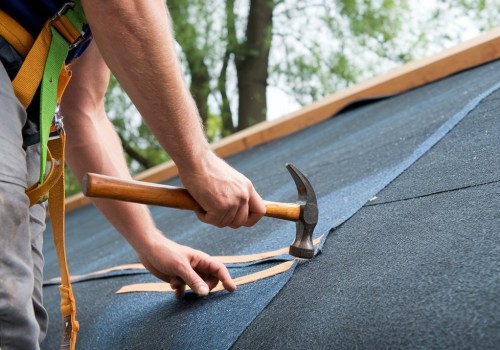
For example, asphalt shingles require different considerations compared to metal roofs or tile roofs. With asphalt shingles, inspectors must check for proper nail placement and ensure that underlayment has been adequately installed; inadequate underlayment can compromise the roof's lifespan significantly. Metal roofs, on the other hand, necessitate checks for panel alignment and secure fastening to prevent wind uplift. Tile roofs must be inspected for proper interlocking and support structures to ensure they do not sag or crack under weight. For instance, a simple misalignment of a few tiles might seem insignificant initially but can lead to substantial water damage if left unchecked.
Similarly, insufficient underlayment beneath shingles could lead to premature degradation and necessitate an entire roof replacement years earlier than anticipated. The discussion around whether to conduct DIY inspections or hire professionals often leads to disagreements among homeowners. While some may feel confident in their ability to inspect their roofs themselves, there are significant benefits to hiring a qualified inspector. Professionals bring expertise and experience that allow them to identify issues that an untrained eye might miss. Moreover, a certified inspector will have knowledge of local codes and regulations that must be adhered to during installation. Additionally, having a professional inspection provides homeowners with peace of mind knowing that their roof has been thoroughly vetted by someone who understands the intricacies of roofing systems.
This step is particularly beneficial for those who may not have experience in evaluating roofing work. In conclusion, final inspections and quality checks are indispensable parts of the roofing process that should not be neglected. They help prevent costly repairs, ensure adherence to building codes, and enhance the longevity of your roof by identifying potential issues early on. Whether you choose to conduct inspections yourself or hire a professional, prioritizing these steps will pay off in the long run by safeguarding your investment in your home.
Key Components of Final Inspections
Final inspections and quality checks are essential to ensure that your roof is both aesthetically pleasing and functionally sound. This process involves evaluating several key components that play a critical role in the overall performance and longevity of the roof.Structural Integrity
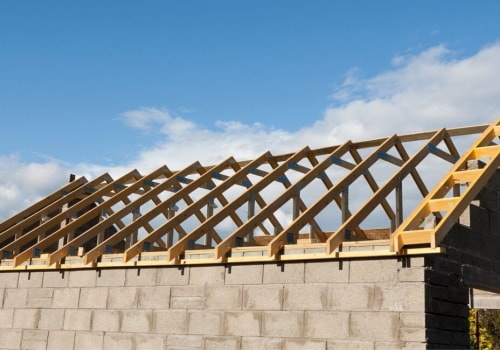
is one of the foremost elements to be assessed during the final inspection.Inspectors should examine the roof's framework, including rafters, trusses, and decking, to ensure they are properly installed and free from damage. Any structural issues can compromise the roof's ability to withstand weather elements, leading to serious problems in the future. Next, Material Quality must be thoroughly checked. This includes verifying that all roofing materials used meet industry standards and are suitable for the specific climate and conditions of the area. Inspectors should look for signs of deterioration, such as cracks or fading, in materials like shingles, tiles, or metal panels.
Using high-quality materials not only enhances the roof's lifespan but also contributes to its overall appearance. Another crucial factor is Installation Accuracy. The final inspection should ensure that all roofing components have been installed according to manufacturer guidelines and best practices. This includes checking for proper alignment, adequate overlap of materials, and secure fastenings. Any deviations from these specifications can lead to leaks and other failures down the line. By focusing on these key components during final inspections, homeowners can prevent costly repairs and guarantee that their roofs provide lasting protection and curb appeal.
Common Issues to Look For
When conducting final inspections and quality checks, it is essential to be aware of common issues that may arise.Identifying these problems early can save homeowners from costly repairs and ensure the roof's longevity. Here are some frequent issues found during inspections:1.
Improper Flashing
: Flashing is critical for directing water away from seams and joints. If flashing is installed incorrectly, it can lead to leaks and water damage.2.Missing or Damaged Shingles
: Shingles that are missing or damaged can compromise the roof's protective layer, allowing moisture to seep in and cause further damage.3.Poor Ventilation
: Adequate ventilation is necessary to prevent heat buildup and moisture accumulation in the attic. Poor ventilation can lead to mold growth and structural damage over time.4.Improperly Installed Underlayment
: The underlayment serves as an additional barrier against moisture.If it is not installed correctly, it can fail to provide the necessary protection, leading to leaks.5.
Clogged Gutters
: Gutters should be clear of debris to ensure proper water drainage. Clogged gutters can cause water to back up, leading to potential roof damage and leaks.6.Inadequate Sealing
: All joints and seams must be properly sealed to prevent water infiltration. Inadequate sealing can lead to significant leaks over time. By being vigilant about these common issues, homeowners can ensure that their roofs not only meet aesthetic standards but also function effectively, providing peace of mind for years to come.DIY vs. Professional Inspections
When it comes to ensuring your roof is up to standard, one of the crucial decisions homeowners face is whether to conduct final inspections and quality checks themselves or to hire a professional service.Each option has its own set of advantages and disadvantages that can significantly impact the overall effectiveness of the inspection process.
DIY inspections
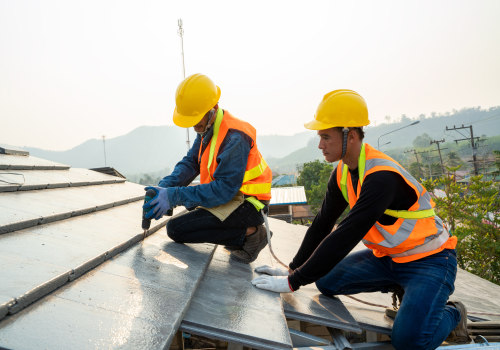
can be appealing for several reasons. Firstly, they save money since homeowners can avoid the costs associated with hiring a professional. Secondly, performing inspections personally allows homeowners to become more familiar with their roofing system, enabling them to identify potential issues early on. Additionally, a DIY approach can be more flexible in terms of scheduling, allowing homeowners to inspect their roofs at their convenience. However, there are notable drawbacks to conducting inspections without professional assistance.Most homeowners lack the specialized knowledge and training necessary to identify all potential problems. Issues such as water damage, structural weaknesses, or improper installation techniques may go unnoticed by an untrained eye. Furthermore, climbing onto a roof can pose safety risks if proper precautions are not taken. On the other hand, hiring a professional inspection service brings a wealth of expertise and experience to the table. Professionals are trained to spot issues that may not be immediately apparent to untrained homeowners, ensuring that no detail is overlooked.
They also have access to specialized tools and equipment that can aid in a thorough evaluation. Nevertheless, the cost of professional inspections can be a deterrent for some homeowners. This expense may lead some to forego the service altogether, potentially putting their roof at risk if problems go undetected. Additionally, relying on someone else for inspections means homeowners may miss out on the opportunity to learn about their roofing system firsthand. Ultimately, the decision between DIY inspections and hiring professionals hinges on individual circumstances. Homeowners should weigh the pros and cons carefully, considering factors such as their own skill level, budget constraints, and the importance of ensuring that their roof meets both aesthetic and functional standards.
The Role of Quality Checks
Quality checks are a crucial part of the roofing process, serving as the final line of defense against potential issues that could arise after installation.These checks involve a systematic review of various aspects of the roof, ensuring that all materials and workmanship adhere to established standards. Typically, a qualified inspector or contractor will assess the roof's structure, materials used, and overall installation quality. During a quality check, inspectors will examine the integrity of the roofing materials, looking for any signs of damage or defects. They will also verify that all components, such as flashing, underlayment, and ventilation systems, are correctly installed and functioning as intended. This thorough examination helps to identify any shortcomings that could compromise the roof's performance over time. The importance of these quality checks cannot be overstated.
A properly conducted inspection can uncover potential issues that, if left unaddressed, could lead to significant problems down the line. For instance, inadequate sealing or improper installation techniques may result in leaks, structural damage, or reduced energy efficiency. By catching these issues early through quality checks, homeowners can avoid costly repairs and extend the lifespan of their roofs. Moreover, quality checks contribute to the aesthetic appeal of a home. An inspection ensures that the roof not only functions well but also looks good from both curb appeal and interior perspectives.
Ensuring that the roof meets both functional and aesthetic standards is essential for maintaining property value. In conclusion, conducting comprehensive quality checks is vital for guaranteeing long-term durability and performance of roofing systems. It is an investment in peace of mind for homeowners, providing assurance that their roofs are built to withstand the elements while enhancing the overall appearance of their homes. In conclusion, we have explored the importance of final inspections and quality checks in the roofing process. These crucial steps not only help to identify common issues that may compromise the roof's integrity but also ensure that it meets both aesthetic and functional standards. By recognizing and addressing potential problems early on, homeowners can save themselves from costly repairs in the future. Moreover, we discussed the key components of final inspections and highlighted the significant role of quality checks in maintaining a reliable roof.
Whether opting for a DIY inspection or hiring a professional, it is essential to prioritize these procedures to prevent future headaches. As a homeowner, staying proactive about your roof's maintenance can make all the difference. We encourage you to consider scheduling regular inspections with qualified professionals to ensure your roof remains in optimal condition for years to come.