When it comes to maintaining a safe and comfortable home, identifying signs of water damage in attic spacesidentifying signs of water damage in attic spaces is crucial. Many homeowners often overlook their attics, believing that if they can't see any obvious issues from the outside, everything must be fine. However, the reality is that water damage can lurk silently, leading to significant structural problems and health hazards if left unchecked. Attic spaces are particularly vulnerable due to their unique environment. Poor ventilation, temperature fluctuations, and hidden plumbing can all contribute to moisture accumulation.
This moisture can manifest in various ways, signaling potential damage that requires immediate attention. From stained ceilings to warped beams, understanding these signs of water damage can help you take proactive steps to protect your home. In this article, we will explore the most common indicators of water damage in your attic, empowering you with the knowledge to conduct a thorough inspection. By recognizing these signs early on, you can mitigate further damage and ensure your home remains a safe haven for you and your family. Read on to learn how to identify these critical warning signs and what actions you should take if you discover them. Inspecting the attic for water damage is crucial for homeowners, as this often-overlooked area can harbor significant problems that may not be immediately visible.
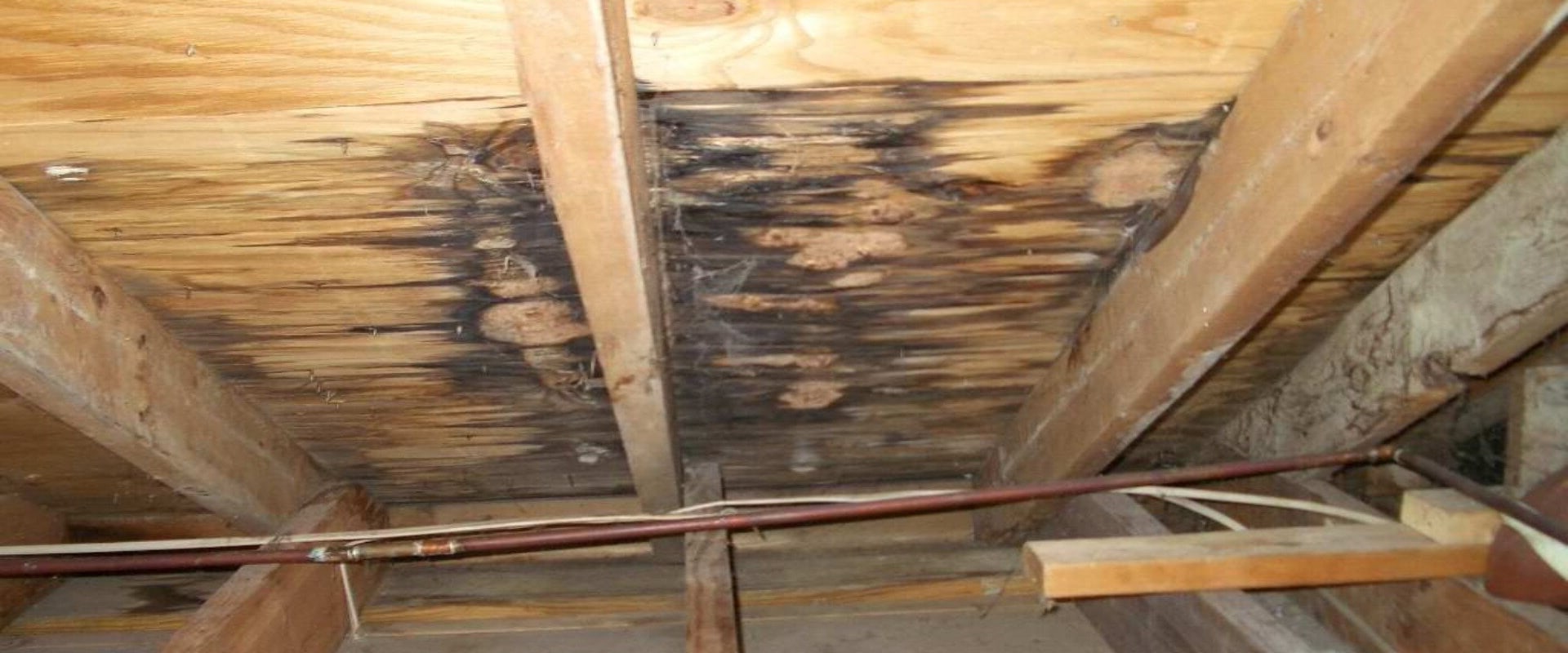
Neglecting to regularly check the attic can lead to severe roof and structural issues, potentially resulting in costly repairs down the line. Early detection of water damage signs is essential in safeguarding your home and ensuring its longevity. One of the most noticeable signs of water damage in attics is discoloration on ceilings or walls. This discoloration often appears as yellow or brown stains, indicating that moisture has penetrated the materials. Such stains are typically the result of leaks from the roof or plumbing issues within the home.
Homeowners should pay close attention to any unusual patches or marks, as they can signify larger underlying problems. Another significant indicator is the presence of mold growth. Mold thrives in damp conditions, and attics can provide an ideal environment for its development if moisture is present. Homeowners should be on the lookout for any fuzzy patches of green, black, or white on surfaces, as these are clear indicators of water damage. Not only does mold pose health risks, but it can also compromise the integrity of building materials over time. The musty odors often associated with water damage are another critical sign to note.
If you detect a persistent, unpleasant smell in your attic, it could indicate hidden moisture and potential mold growth. This odor often becomes more pronounced during humid weather or after heavy rainfall, as these conditions exacerbate existing moisture problems. Sagging rooflines are another alarming sign of water damage. A sagging roof can indicate structural weakness due to prolonged exposure to moisture. If you notice any areas where the roof appears to dip or sag, it’s vital to investigate further, as this could lead to catastrophic failures if left unaddressed. Furthermore, rusted nails or metal components within the attic are strong indicators of moisture presence.
If nails are rusting or metal brackets are corroding, it typically means that water is infiltrating the space, leading to a breakdown of structural integrity over time. Homeowners should examine these metal elements closely during inspections. These signs may indicate leaks or poor insulation within the attic. For example, inadequate insulation can lead to condensation buildup, especially in regions with fluctuating temperatures. During cold winters, warm air from living spaces rises into the attic and meets cold surfaces, leading to moisture accumulation.
Conversely, during hot summers, poor ventilation can trap humidity in the attic space. Both scenarios create conditions ripe for water damage.Real-life examples illustrate how these signs manifest in homes. In one case study, a homeowner noticed yellow stains on their ceiling but dismissed them as a cosmetic issue. Over time, they escalated into a major leak that required extensive repairs to both the roof and ceiling structure.
Another homeowner detected mold growing near their attic's eaves but did not address it promptly; this resulted in a complete roof replacement due to significant structural damage caused by prolonged exposure to moisture. Seasonal changes can further exacerbate water damage issues in attics. For instance, heavy rainstorms can overwhelm gutters and downspouts, leading to overflowing water that seeps into the attic. Snow accumulation during winter months can also cause ice dams on roofs, blocking drainage and creating leaks when temperatures rise. As such, homeowners must be vigilant about inspecting their attics before and after seasonal changes. It's important to acknowledge that some homeowners may believe their attics are well-ventilated and dry enough to prevent water damage.
However, even minor leaks can escalate into significant problems over time if not addressed early. What may seem like a small issue could lead to mold growth or structural weaknesses that compromise the entire home. Therefore, regular inspections and maintenance are essential for preventing water damage in attics.
Rust and Corrosion
One of the most telling signs of water damage in attic spaces is the presence of rust and corrosion on nails and metal components.Rusted nails
are a clear indication that moisture has been present for an extended period, which can compromise the integrity of your roofing structure.When water infiltrates the attic, it creates a damp environment that accelerates the oxidation process on metals. In addition to rusted nails, other metal components such as flashing, vents, and support brackets may also exhibit signs of corrosion. This deterioration not only weakens these essential parts of your roof but also signifies that moisture may be accumulating in areas where it should not be. Prolonged exposure to moisture can eventually lead to structural failures, making it crucial for homeowners to address these issues promptly. Inspecting for rust and corrosion should be a part of your regular attic maintenance routine. If you notice any signs of rust, it is vital to investigate further to determine the source of moisture and take corrective action before the damage escalates.
Structural Changes
When inspecting your attic for water damage, one of the most critical indicators to look for is structural changes.These changes can manifest as sagging or warped beams and rafters, which are clear signs of underlying issues. Over time, persistent moisture can weaken the wooden structures in your attic, leading to a loss of integrity. If you notice that the ceiling joists or roof rafters are bowing or sagging, it is essential to take this seriously. Such structural changes often indicate that water has infiltrated the area and is causing rot or mold. Warped structures not only compromise the safety of your attic but can also affect the entire roof system. When beams are no longer aligned correctly, it can lead to further complications, including leaks and even collapse in severe cases.
Therefore, it's crucial to address any signs of sagging or warping promptly. Regular inspections can help catch these issues early on. Homeowners should prioritize checking their attics for these structural changes, as early detection can prevent costly repairs and ensure the longevity of the home.
Odors and Air Quality
Maintaining good air quality in attic spaces is crucial for the overall health of your home.Musty smells
are often one of the first indicators of potential water damage. These odors typically arise from mold and mildew, which thrive in damp environments.If you notice a persistent musty smell in your attic, it is essential to investigate further, as this could signal hidden moisture issues. Air quality in attics can affect not only the attic itself but also the rest of your home. Poor air circulation combined with elevated humidity levels can lead to the growth of harmful mold spores that may spread throughout your living spaces. This can pose health risks to you and your family, particularly for those with respiratory conditions or allergies. Addressing musty odors promptly can help prevent more severe structural damage and costly repairs down the line. If you detect these smells, it's advisable to conduct a thorough inspection of the attic, checking for any signs of leaks or water infiltration that may have gone unnoticed.
Remember, early detection is key in mitigating the effects of water damage.
Mold and Mildew Growth
Mold and mildew are common indicators of water damage in attic spaces, thriving in damp, poorly ventilated areas. To effectively identify these issues, it's crucial to understand the conditions that favor their growth. Mold spores are naturally present in the environment and become problematic when they find moisture, warmth, and organic materials to feed on. The most favorable conditions for mold growth in attics include high humidity levels, leaks from the roof or plumbing, and inadequate ventilation. Attics with poor air circulation often trap heat and moisture, creating an ideal breeding ground for mold and mildew.Homeowners should be particularly vigilant after heavy rains or snowmelts, as these can introduce excess moisture into the attic. To identify mold and mildew, look for discolored patches on the walls, ceilings, or insulation, which can appear in shades of black, green, or white. A musty odor is also a strong indicator of mold presence. If you notice any signs of water stains or peeling paint, it's essential to investigate further, as these may suggest hidden mold growth behind surfaces. Regular inspections of your attic can help you catch these issues early. If mold is discovered, it’s important to address the source of moisture immediately and consider consulting a professional for safe removal.
Visible Stains and Discoloration
One of the most telling signs of water damage in attic spaces is the presence of visible stains and discoloration on the ceiling or walls.These stains can range from yellowish-brown spots to darker patches, indicating that moisture has penetrated the material.
Water stains
often appear in irregular shapes, spreading from a central point where a leak may be occurring. It’s crucial to note that the color and size of these stains can provide insights into the severity of the leak. For instance, lighter stains may suggest recent moisture exposure, while darker, more extensive discoloration could indicate prolonged water intrusion. In some cases, you may even observe peeling paint or bubbling drywall, both of which are indicators that water has been present for an extended period.These visible signs should never be ignored as they are often precursors to more serious issues, such as mold growth and structural damage. If you spot any stains in your attic, it's essential to investigate further to determine the source of the leak. This could involve checking your roof for missing shingles, inspecting flashing around chimneys and vents, or looking for gaps where water might enter. Addressing these issues promptly can help prevent further damage and save homeowners from incurring significant repair costs.
Regular attic inspections
for signs of water damage are crucial for maintaining the integrity of your home. Homeowners should make it a priority to check their attics at least once a year, as this simple step can help identify potential issues before they escalate into significant problems.By being vigilant and aware of the visible stains, mold growth, structural changes, odors, and rust that indicate water damage, you can protect your investment and ensure a safe living environment. If you encounter any signs of water damage during your inspection, do not hesitate to consult a professional roofer. Early intervention is key; addressing these issues promptly can save homeowners from costly repairs and extensive damage down the line. Protect your home by taking proactive measures today.