When it comes to roofing materials, tile roofing stands out as a timeless choice that combines durability, aesthetic appeal, and energy efficiency. However, like any other roofing material, tile roofs require regular upkeep to ensure they remain in top condition and continue to protect your home effectively. Neglecting the maintenance of tile roofing can lead to costly repairs and a shorter lifespan for your roof. In this guide, we will explore essential tips that will help you keep your tile roof in excellent shape. Whether you are a homeowner looking to extend the life of your roof or a new buyer considering tile roofing for your property, understanding the nuances of maintenance is crucial.
With proper care, your tile roof can enhance the beauty of your home while providing reliable shelter through all seasons. Join us as we delve into practical advice and expert insights that will empower you to take charge of your tile roofing maintenance. From routine inspections to cleaning techniques, we’ve got you covered with all the information you need to ensure that your roof remains a strong and striking feature of your home. Tile roofing is a popular choice for many homeowners due to its durability and aesthetic appeal. It can enhance the beauty of a home while providing excellent protection against the elements. However, like any roofing material, maintenance of tile roofing is essential to ensure its longevity and performance.
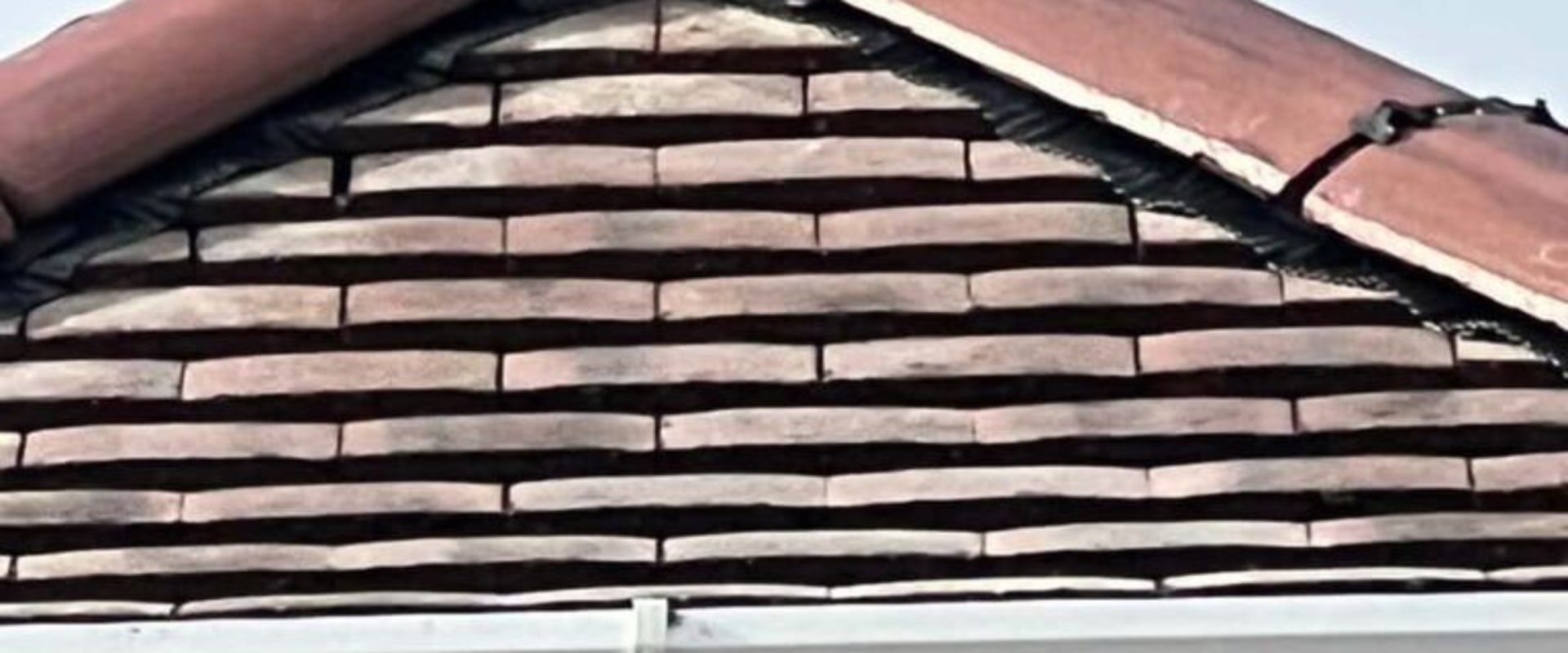
This article will delve into the different types of tile materials, their specific maintenance requirements, and provide key maintenance tips to help homeowners care for their roofs effectively. There are several types of tile materials commonly used in roofing, including ceramic, concrete, and clay. Each material has its unique properties and maintenance needs. Ceramic tiles, known for their vibrant colors and finishes, are generally low maintenance but can be prone to chipping if not handled carefully. Regular inspections are crucial to identify any cracks or damage early on.
Concrete tiles offer excellent durability and are often used in various climates. However, they may require sealing to prevent moisture absorption, and regular cleaning is necessary to avoid the build-up of dirt and debris. Clay tiles are incredibly durable and have a long lifespan, but they are also heavier than other materials, which necessitates proper support during installation. Homeowners should ensure that their clay tile roofs are well-maintained by routinely checking for any loose or broken tiles. The installation process of tile roofing plays a significant role in its maintenance.
Proper installation ensures that the tiles are securely fastened and aligned correctly, reducing the risk of damage from wind or heavy rain. A well-installed roof will allow for efficient water drainage, preventing moisture accumulation that can lead to mold or algae growth. It’s essential to hire experienced contractors who understand the intricacies of tile roofing installation to avoid future maintenance challenges. To keep tile roofs in optimal condition, regular maintenance is crucial. Homeowners should conduct inspections at least twice a year, looking for signs of cracks, missing tiles, or any other visible damage.
Cleaning debris such as leaves or branches is also important as it helps prevent water pooling, which can lead to leaks. Additionally, checking for moss or algae growth is vital because these can cause deterioration over time. If moss or algae is present, homeowners can use a mixture of water and vinegar or specialized cleaning solutions to treat affected areas. Common issues that arise with tile roofing include cracked tiles, leaks from improper sealing, and structural issues caused by heavy accumulation of debris. Cracked tiles can often be replaced individually without needing to replace the entire roof.
Leaks may require resealing or replacing flashing around chimneys and vents. Homeowners should address these problems promptly to avoid more extensive damage and costly repairs down the line. Neglecting the maintenance of tile roofing can lead to significant cost implications over time. Ignoring small issues can result in larger problems that require extensive repairs or even a complete roof replacement. Proactive care through regular inspections and maintenance not only prolongs the life of the roof but can also save homeowners money in the long run by avoiding expensive repairs. When it comes to finding reliable contractors for repairs and inspections, homeowners should prioritize checking credentials and references thoroughly.
Look for contractors who specialize in tile roofing and have a solid track record in the industry. Reading reviews and asking for recommendations can also help identify reputable professionals. A reliable contractor will provide detailed estimates and explain the necessary repairs or maintenance needed clearly. In conclusion, maintaining a tile roof requires understanding the different materials available and their specific needs. Regular inspections, proper cleaning, and addressing issues promptly are key factors in ensuring the longevity of tile roofing.
Homeowners should invest in proactive care to avoid costly repairs and ensure their roofs remain functional and aesthetically pleasing for years to come.
Finding Reliable Contractors
When it comes to the maintenance of tile roofing, hiring the right contractor is crucial. A trustworthy contractor can ensure that your roof receives the necessary inspections and repairs, extending its lifespan and maintaining its aesthetic appeal. Here are some tips to help you choose reliable contractors for your tile roof needs. First, always check for proper licensing and insurance. A reputable contractor should have the necessary licenses to operate in your area and carry insurance that protects both their workers and your property.This not only ensures compliance with local regulations but also safeguards you from potential liabilities. Next, seek out recommendations from friends, family, or neighbors who have had similar work done. Personal referrals can provide insight into the contractor's reliability and quality of work. Additionally, you can look for online reviews and ratings on platforms like Yelp or Angie's List to gauge customer satisfaction. It's also wise to request multiple quotes before making a decision. This allows you to compare prices, services offered, and timelines.
However, be cautious of prices that seem too good to be true; they often come with hidden costs or subpar workmanship. Finally, don’t hesitate to ask questions. A reliable contractor should be willing to explain their process, the materials they use, and any warranties they offer on their work. This transparency is a good indicator of their professionalism and commitment to quality.
Cost Considerations
Maintaining tile roofing can be a significant investment, but understanding the potential costs involved is essential for homeowners. The longevity and durability of tile roofs make them a popular choice, yet they require regular upkeep to ensure they remain in optimal condition. One of the primary expenses homeowners may encounter is the cost of routine inspections.Hiring a professional to assess the condition of your tile roof can range from $100 to $300, depending on your location and the complexity of the roof structure. Regular inspections help identify potential issues early, preventing costly repairs in the future. In addition to inspections, cleaning your tile roofing is crucial for maintaining its integrity. Professional cleaning services typically charge between $0.15 to $0.30 per square foot, which can add up depending on the size of your roof. This process helps remove debris, moss, and algae that can cause deterioration over time. If repairs are needed, costs can vary widely based on the extent of the damage.
Minor repairs, such as replacing broken tiles or fixing leaks, may cost between $200 and $1,500. However, if major repairs or replacements are necessary, homeowners could face expenses ranging from $1,000 to $5,000 or more. Lastly, it’s important to consider the long-term benefits of investing in proper maintenance for your tile roofing. While upfront costs may seem high, consistent care can extend the lifespan of your roof and protect your home from more extensive and expensive damage in the future.
Inspection Techniques
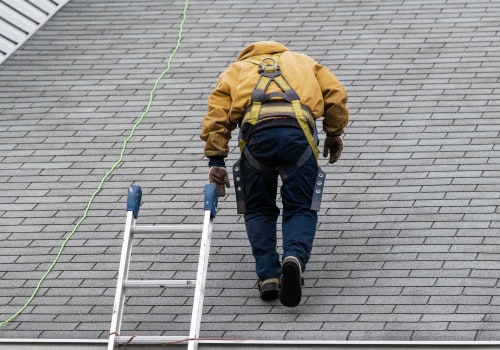
Properly inspecting a tile roof is crucial for identifying signs of damage or wear that could lead to more significant issues if left unaddressed. Begin your inspection from the ground level, using binoculars to scan for any visible problems.Look for cracked, chipped, or missing tiles, as these can compromise the roof's integrity and lead to leaks. Next, check the roof's valleys and ridges, where water tends to accumulate. These areas are particularly susceptible to wear and damage, so ensure there are no blockages or signs of deterioration. Additionally, inspect the flashing around chimneys, vents, and other penetrations for rust or corrosion, which can also indicate potential leaks. If you feel comfortable doing so, consider using a ladder to perform a closer inspection. Ensure that the ladder is stable and positioned on a flat surface.
Once on the roof, carefully walk along the tile surface, paying attention to any loose or dislodged tiles. Gently press down on tiles to detect any that may be loose or unstable. Don’t forget to check for moss or algae growth, which can retain moisture and accelerate tile degradation. If you find any organic growth, it’s essential to clean it off promptly using appropriate cleaning solutions designed for tile roofs. Finally, after your inspection, take notes of any areas that require repairs or further attention. Regular inspections—ideally twice a year—can help catch problems early and extend the lifespan of your tile roofing.
Understanding Tile Roofing Materials
Tile roofing is a popular choice among homeowners due to its aesthetic appeal and durability.There are several types of tile materials used in roofing, each with unique characteristics that cater to different needs and preferences. One of the most common types is clay tile. This material is known for its longevity and can last over a century when properly maintained. Clay tiles come in various colors and shapes, allowing for versatile design options. However, they are relatively heavy and may require additional structural support. Another popular option is concrete tile.
Similar to clay, concrete tiles are durable and can mimic the look of natural materials. They are also more affordable than clay tiles but may not last as long. Concrete tiles are versatile in color and design, making them an attractive option for many homeowners.
Slate tile
is another premium choice known for its natural beauty and exceptional lifespan. This material is resistant to fire and extreme weather, making it an ideal option for various climates.However, slate is one of the heaviest roofing materials and can be more expensive than other options. Lastly, there are ceramic tiles, which are often used interchangeably with clay tiles but have differences in composition and firing processes. Ceramic tiles are typically lighter and less expensive than clay but may not offer the same level of durability. Understanding these different tile roofing materials helps homeowners make informed decisions about their roofing options, ensuring they choose the best material that fits their style, budget, and maintenance capabilities.
Regular Maintenance Practices
To ensure the longevity and aesthetic appeal of your tile roofing, regular maintenance is crucial. Homeowners should adopt a proactive approach to care for their roofs by performing essential maintenance tasks. Here are some key practices to consider:1.Routine Inspections: Conduct visual inspections at least twice a year, ideally in spring and fall.Look for cracked or broken tiles, debris accumulation, and signs of wear. Early detection of issues can prevent more significant problems down the line.
2.Cleaning Debris:
Remove leaves, branches, and other debris that can trap moisture and promote mold growth. Use a soft-bristle broom or a leaf blower to avoid damaging the tiles.3.Clearing Gutters and Downspouts:
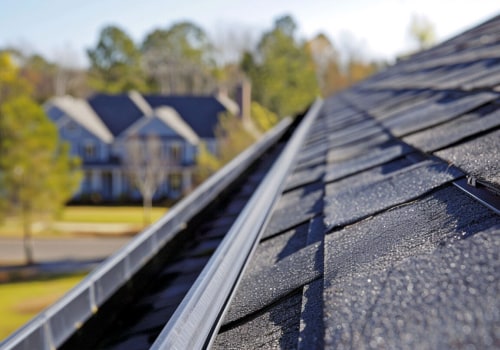
Ensure that gutters and downspouts are clear of blockages. Clogged gutters can lead to water pooling on the roof, which can damage the tiles and underlying structures.4.Checking Flashing:
Inspect flashing around chimneys, vents, and valleys.Damaged or loose flashing can lead to leaks and should be repaired promptly.
5.Moss and Algae Removal:
If you notice moss or algae growth on your tiles, use a mixture of water and mild detergent to clean the affected areas. Avoid harsh chemicals that may damage the tiles.6.Professional Inspections:
Schedule professional inspections every few years, especially if you live in an area prone to severe weather. Experts can identify hidden issues that may require attention. By adhering to these regular maintenance practices, homeowners can significantly extend the lifespan of their tile roofs and maintain their beauty for years to come. In conclusion, maintaining your tile roofing is essential for ensuring its longevity and aesthetic appeal. Throughout this article, we have explored the various aspects of tile roofing materials, highlighted the significance of regular maintenance practices, and discussed effective inspection techniques.Additionally, we addressed important cost considerations and the value of finding reliable contractors for your roofing needs. By committing to a consistent maintenance plan, homeowners can prevent costly repairs and extend the life of their roofs. We encourage you to take action today: schedule an inspection or develop a comprehensive maintenance plan tailored to your specific tile roofing. A proactive approach will not only safeguard your investment but also enhance the overall beauty of your home.